THE NAVKAR PACKAGING JOURNALFlexible Packaging
Guides & Comparisons
From the first specification to the next repeat order.
Practical reading for the people who buy, design and fill packaging.
 Buyer guide
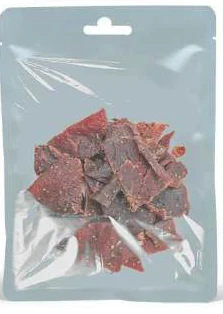
Seal design and filling interfaceApprove a pouch seal drawing by reconciling geometry, features and filling closure, then issue one controlled reference linked to the relevant evidence.
 Buyer guide
Seal design and filling interfaceDistinguish seal-strength, visual and leak-test evidence by question and specimen scope, then ask a qualified team for the appropriate package assessment.
 Buyer guide
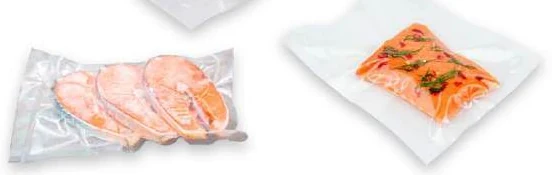
Seal design and filling interfaceInvestigate a pouch seal complaint with location, specimen identity and process context, then record findings and verification through qualified review.
 Buyer guide
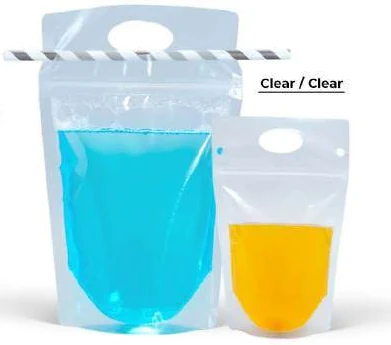
Seal design and filling interfaceReview sealing changeovers by comparing product, material, geometry and closure differences, then connect the affected checks to the site release process.
 Buyer guide
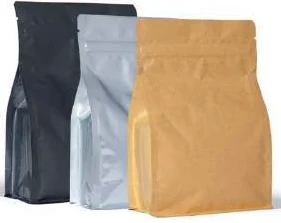
Seal design and filling interfaceBuild a sealing batch evidence index linking product, pouch and line references to checks, events and release decisions, without replacing site procedures.
 Buyer guide
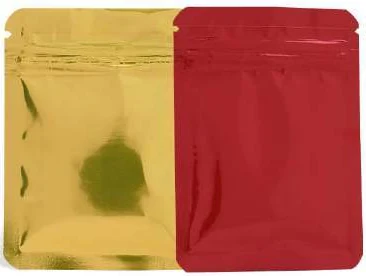
Seal design and filling interfacePlan a pouch sealing trial with a defined question, identified materials and qualified acceptance methods, keeping condition changes and evidence scope clear.
 Buyer guide
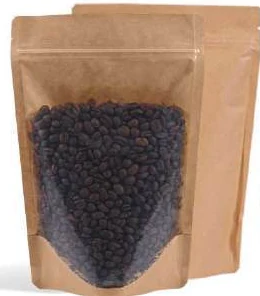
Seal design and filling interfaceReview pouch fill clearance using the actual product, opening, features and final closure route, with a record that separates fit from closure approval.
Buyer guideSeal design and filling interfaceDefine the original final closure, product-entry opening and evidence owner before supplying premade pouches, with a clear converter-to-filler handover.
Buyer guideSeal design and filling interfaceRecord product presence in the intended seal region with sample identity and filling context, then assign an evidence-based review to the qualified line team.
Buyer guideSeal design and filling interfaceMap pouch seal paths, intersections and final closure ownership on a controlled drawing, then link each location to the evidence needed for review.
Useful guidance. Project-specific decisions.These articles explain buying and design considerations using linked references and labelled examples. Confirm the actual product, material, packing process and approved specification with our team.
