Mattress and pillow packaging options should be separated by their job: enclosing the product, presenting it in retail, carrying it or protecting the complete order during dispatch. One layer may not do all four. Measure the item at its agreed packing condition and identify each layer before asking for samples.
These eight options include product packs and secondary layers. Some can be combined, and some need a custom specification. Use the retail and textile packaging guide for the complete buying process, and keep a shopping bag separate from a product's own protective cover.
1. Premade clear mattress protective covers
A clear protective cover can be sized around the finished mattress and its thickness. Specify the opening, gusset or depth, seam layout and closing allowance. Trial insertion with the actual mattress, including its corners, handles and labels where present.
Check how the cover moves during the intended handling routine and whether size identification remains visible. State the packing condition explicitly; a flat mattress cover is not automatically a vacuum or compression pack. The supplied photograph on the mattress cover page illustrates clear protective wrapping around a finished mattress.
2. Roll-form film for bedding wrapping and cover conversion
Film rolls are a supply format for a defined wrapping or converting process. Specify sheet film, lay-flat tubing or the agreed construction, then record width, thickness, roll length, core and winding requirements. Start from the finished cover dimensions rather than choosing a roll simply because it looks similar to a previous delivery.
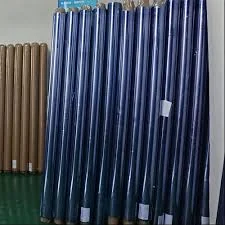
The supplied blue rolls show roll presentation only. Their colour does not establish polymer type or shrink capability. Use the bedding packaging film page to prepare the roll requirement and identify the proposed material separately.
3. Printed retail pillow bags with handles
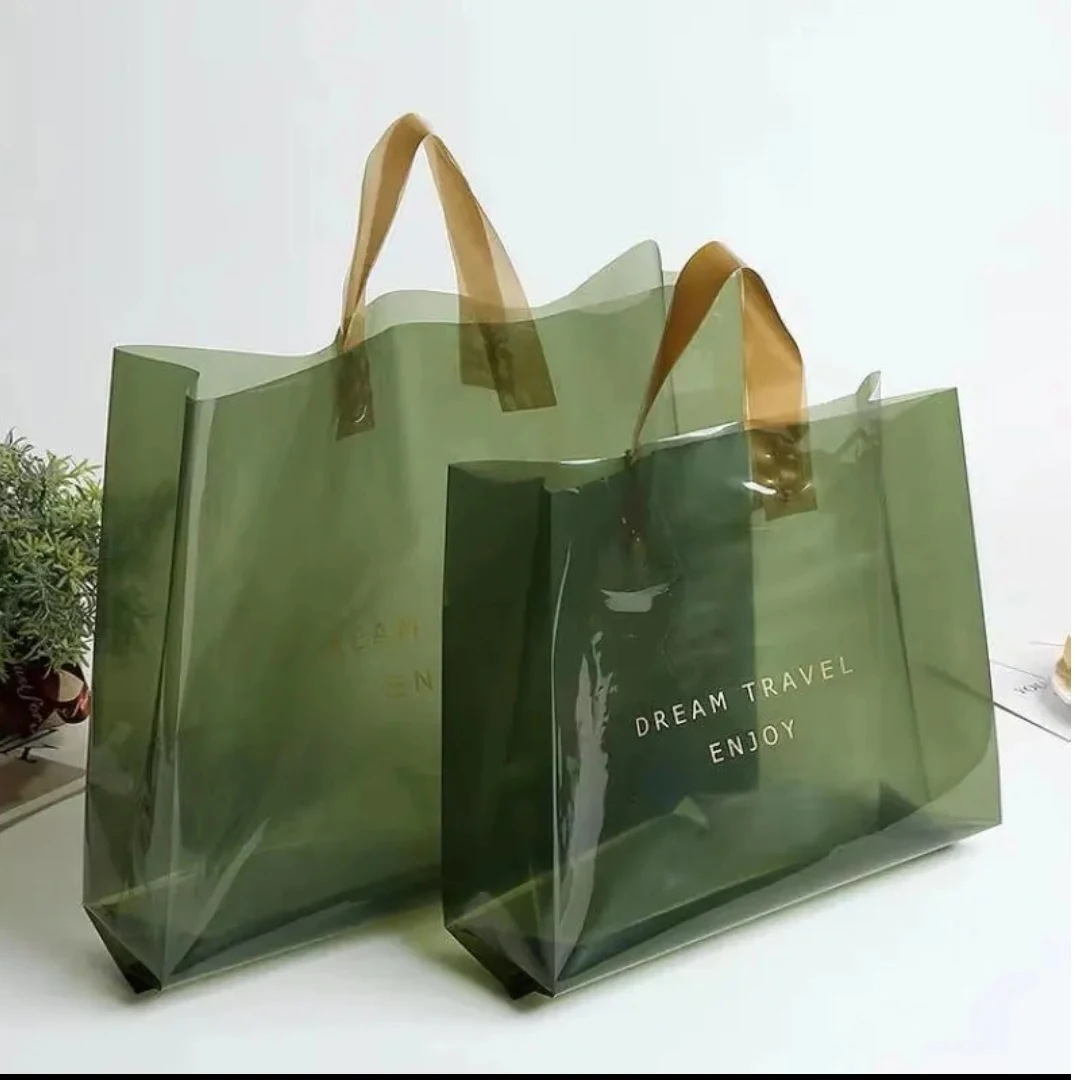
A printed bag can combine the pillow's product presentation with an agreed carrying arrangement. Measure the complete pillow at the intended loft and piece count. Identify the insertion opening, closure, handles and any insert, including how those elements change the usable space.
Review the filled front and back rather than approving a flat graphic alone. The Royaloak example on the pillow packaging page shows a printed bag with carry handles. Use it to communicate the format while supplying your own dimensions, design and carrying requirements.
4. Clear protective bags for individual pillows or inserts
A clear bag is worth discussing when the pillow or cushion insert needs visibility and a separately defined closure. Specify the film, seams and opening around the actual product. A loose protective cover and a close-fitting compressed pack are different briefs even if both use a clear surface.
Check product contact, insertion, closing and unpacking. Include any tags or printed inserts in the fit sample. If the product will travel inside another retail or dispatch layer, describe that arrangement so the inner bag can be evaluated for its actual role rather than an assumed delivery task.
5. Printed bands with carry handles
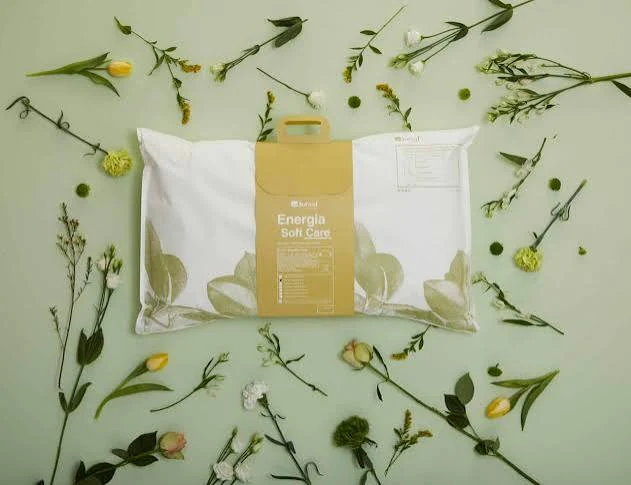
A band can provide a visible brand and product-information area while leaving much of the pillow exposed. The floral pillow reference illustrates this presentation approach. Specify the band's width, overlap or fixing arrangement, handle and position on the filled pillow.
Trial whether the band remains aligned during retail handling and whether the customer can grip the handle as intended. A band is not a full protective enclosure. If surface protection is required, identify the additional cover and test the two components together, including the effect on the visible graphics.
6. Retail bags for coordinated bedding sets
A bedsheet, pillowcase or towel set may need a bag sized around the folded contents and any display insert. Decide whether the pack is opened once, reclosed or retained for storage. A requested zipper, flap or handle should be shown on the custom drawing and reviewed for that use.
Record the folding method and piece count with the sample. An insert can change both the depth and the front appearance. The Karur textile packaging range separates bedding sets from complete pillows, mattress covers and roll-form film so those requirements can be discussed independently.
7. Outer courier bags or dispatch cartons
The dispatch layer should fit the complete retail pack and the intended shipment. Measure the packaged item, decide the closing arrangement and reserve space for the shipping label. Check whether the item can move or catch on the opening during packing and unpacking.
Review the whole shipment rather than asking the product bag to perform every delivery task. An outer courier bag may suit one packing arrangement, while a carton or another construction needs separate discussion. Record the contents, dimensions and handling route before choosing the outer form.
8. Air-pillow cushioning for suitable mixed dispatch packs
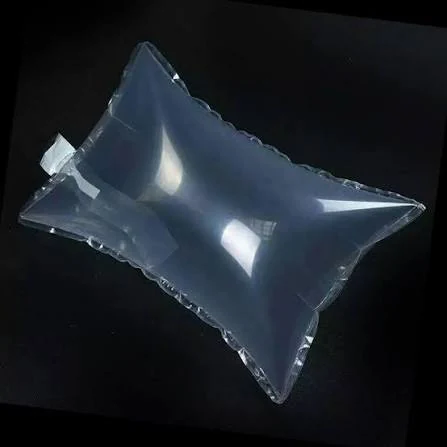
Air-filled protective pillows are secondary cushioning or void fill. They are not retail bags for bedding pillows, and a soft pillow order should not be assumed to need them. Consider this layer only where the complete shipment has a specific space-management or protection requirement, such as an order containing suitable accessories.
Define the item being protected, carton void, cushion size and inflation arrangement. Sealed Air's air-pillow reference explains the secondary packaging role. The protective air-pillow page is a separate enquiry route for that requirement.
Record the purpose of every layer
| Layer | Information the brief needs |
|---|---|
| Product cover | Packed item dimensions, loft or packing condition, opening and closure |
| Retail presentation | Printed panels, insert or band, variant information and handles |
| Roll-form supply | Film form, width convention, thickness, roll length and core |
| Dispatch protection | Complete retail pack, outer dimensions, movement and handling route |
Keep compressed, folded and uncompressed product specifications distinct. A familiar image is not proof that a material can perform a specialised packing process. Retain the drawing, material proposal and filled trial notes for each product and size.
For the bag handed over at purchase, continue with retail carry-bag types. For the product's own pack and dispatch sequence, return to the retail and textile packaging pillar, then prepare a custom packaging brief using the actual measurements.
Sources and scope.
These references support the technical discussion. Product photographs illustrate formats; the material, dimensions and suitability of the proposed pack are confirmed for each project.
- Mondi: Mattress compression wrapping and secondary packaging
A manufacturer case distinguishes compression wrapping from the outer dispatch wrap. It does not establish Navkar compression-packaging capability or the properties of supplied photographs.
- Sealed Air: Inflatable air pillows
Primary reference for secondary cushioning and void filling, distinct from retail packaging for bedding pillows. No performance percentages are adopted.
- Diversified Plastics: Die-cut handle bags
Manufacturer example of a handle opening formed in the bag body; sizes, materials and load performance remain project-specific.
Let’s discuss your product.
Share your contents, dimensions, filling method, quantity and delivery destination. We’ll work through the proposed packaging specification with you.
Create a packaging brief