Choose a flexible packaging format by eliminating designs that cannot be filled, closed, displayed or delivered as required. Start with the product and packing route, then compare the surviving options. A pouch that looks attractive on a screen may still create an awkward fill opening or need a different retail fixture. This guide provides a selection gate that a brand, converter and packing team can complete together.
Define the job before naming the pouch
Write a short use story: what enters the pack, who fills it, how it reaches the customer and how the customer opens it. Include product form, proposed quantity, storage conditions and whether the contents are used once or repeatedly. Do not prescribe a material simply because another brand uses a similar shape. Format describes geometry; it does not establish barrier, product compatibility or shelf life. Keep known requirements separate from preferences. A retailer's hook requirement is a constraint, while a curved silhouette may be a preference that can change when the trial exposes a difficulty.
Filter by the actual packing route
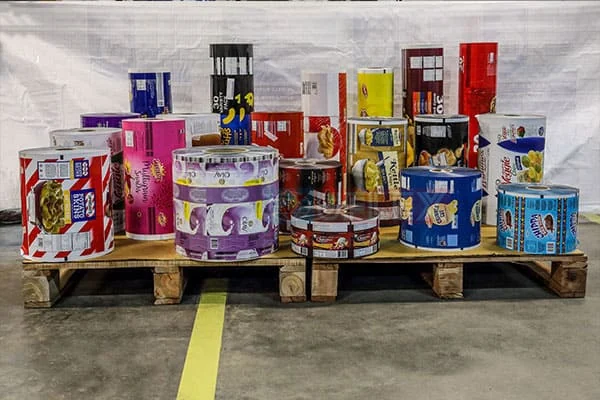
Ask the packing team to identify the equipment or manual operation that will receive the packaging. Printed rollstock needs an agreed forming and sealing route; a premade pouch needs an agreed opening, filling and final closing route. Use a drawing or reference sample rather than a format name alone. Ask where the product enters, which surfaces the machine grips and which closure remains unfinished. Request confirmation from the line owner. A converter cannot establish a customer's machine capability from a photograph of a competitor's filled pack.
Compare the survivors on one scorecard
Compare two or three credible formats at the same intended fill and distribution conditions. Examine usable opening, filled footprint, readable panel area, customer access and shipment pack-out. Use pass, conditional or fail for requirements, with a short reason beside each result. Avoid an average score that lets excellent appearance cancel a failed closure trial. Record cost only after the quotation scope is equivalent. A cheaper empty unit can require extra handling, different cartons or more start-up material, so keep these dependencies visible during the format decision.
Build a format gate sheet
Use one row per candidate and attach the evidence that resolves each requirement. The following headings make unanswered questions visible before a design becomes difficult to change.
| Record | What to capture and how to use it |
|---|---|
| Product behaviour | Record form, bulk, particles or flow and the intended fill quantity. Use a representative product sample to decide whether the opening and filled shape deserve a trial; keep untested compatibility questions open. |
| Packing route | Name the line or manual station and its owner. Attach the available drawing and list the forming, gripping, filling and closing interfaces that the candidate must satisfy before it can enter the shortlist. |
| Retail presentation | Specify shelf, tray, carton or hanging fixture and the available space. Check the filled pack in that context, including which face is visible, rather than judging only an empty flat sample. |
| Use after opening | Describe the intended number of uses and handling actions. Identify whether an opening feature or reclosure is needed, then assess the complete pack with users under an agreed observation plan. |
| Distribution evidence | Record route, carton arrangement and handling concerns. Identify the transport or pack-out evidence required so a candidate is not released solely because it stands neatly on an office desk. |
Give each requirement an owner and an evidence reference. A conditional result should state exactly what would turn it into a pass; otherwise the same uncertainty will reappear when quotations are compared.
Illustrative shortlist: two formats, one unresolved gate
A dry snack brand is considering a stand-up pouch and a centre-seal pack. The stand-up version suits the proposed shelf presentation, but the available co-packer has only confirmed its current centre-seal route. The sensible next step is to verify a suitable filling route for the stand-up candidate and test shelf presentation for the centre-seal candidate. Neither appearance nor a preliminary packaging price settles both questions. The gate sheet records filling compatibility as conditional for one candidate and retail presentation as conditional for the other, with named owners and a dated sample review.
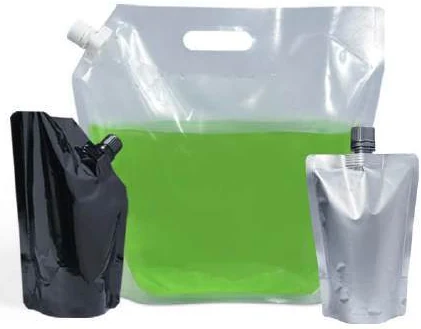
Mespack's solution finder separates rollstock and premade routes. Mondi's format page illustrates stand-up geometry.
Separate a hard constraint from a preference
A hard constraint prevents the pack from doing its job. Examples include an opening that cannot accept the filling nozzle, a pack too tall for the agreed fixture, or a closure the packing station cannot complete. A preference helps choose between candidates that already work. A larger front panel, a distinctive outline and a particular hand feel usually belong in this second group until the buyer establishes a functional reason.
Give each hard constraint a measurable question. Replace “easy to fill” with “can the named filling station hold this pouch open throughout the intended dose?” Replace “good shelf presence” with the required facing, orientation and available fixture space. This makes disagreement productive. Teams can investigate an unresolved interface instead of exchanging opinions about which pouch looks more premium.
Identify the operation behind the format name
Mespack describes premade pouch equipment as feeding, transferring, opening, filling and top sealing. Those are separate interfaces worth asking about, even when another machine or manual station will do the work. The manufacturer's description establishes a route; it does not prove that a particular customer's line can run every pouch.
Draw the proposed pack at the point of filling. Mark the open edge, grip areas, product path and final closure. Then draw it after filling and after opening by the customer. A feature that helps one stage can complicate another. A large mouth may help introduce bulky pieces but leave a wider closure to manage. A reclosure can help repeated use while occupying space that the filling and first-opening design must accommodate.
Compare usable output rather than empty units alone
Use an illustrative comparison with the same required output: 1,000 saleable filled packs. Candidate A needs 1,020 empty units and candidate B needs 1,050 under hypothetical trial observations. Their respective unused or rejected quantities are 20 and 50. These invented figures demonstrate the denominator only; they are not Navkar performance or an expected reject rate.
Ask the quotation team to keep packaging purchase cost, setup, filling effort, carton changes and disposal separate. Divide the included total by the same number of saleable packs. Record which costs remain unknown rather than filling gaps with current-looking market prices. If one candidate needs a new packing route, show that dependency separately so a preliminary empty-pack price does not conceal an implementation cost.
Use uncertainty to choose the next sample
The next sample should answer the most consequential unanswered question. When the filling route is uncertain, an attractive printed mock-up may add little evidence. A dimensionally relevant unprinted sample could be more useful, provided its differences from production material are recorded. When the route already works but panel visibility is uncertain, a filled display mock-up can answer the immediate design question.
Order the work so inexpensive checks expose obvious conflicts before expensive commitments. Begin with a drawing and fixture measurements, move to representative empty samples, then examine filled samples and the intended operation. Keep any differences in material, closure, product and equipment beside the observation. A favourable result transfers only as far as those conditions justify.
Document why the other candidate was rejected
Keep a short reason for each rejected format. “Opening unsuitable for the proposed dose path” is more reusable than “team preferred another design”. When the line, product or retail channel changes, this record shows whether the old rejection still applies. It also prevents a later artwork discussion from restarting a settled technical question without new evidence.
Retain a second candidate only when it has a clear role, such as a different retail channel or a backup packing route. Maintaining several almost identical options creates extra drawing and approval work. A good shortlist contains credible alternatives with different advantages, together with a practical next action for each unresolved requirement.
Format shortlist: a practical specification example
A brand is choosing a dry-food pack before commissioning artwork. Compare the same product in two filled samples, using the same net weight and display space. The useful difference may be the usable opening, footprint or closing method rather than the empty pouch silhouette. A window or valve is another specification within a format, so it should not silently replace the original comparison.
For this decision, start with the intended shelf position, filling opening and use after opening. The useful output is two filled candidates photographed beside the same ruler. Put that output beside the relevant quotation, drawing or sample rather than leaving it in a separate email. This is an illustrative decision exercise, not a report of a completed customer trial.
Product references to make the discussion concrete
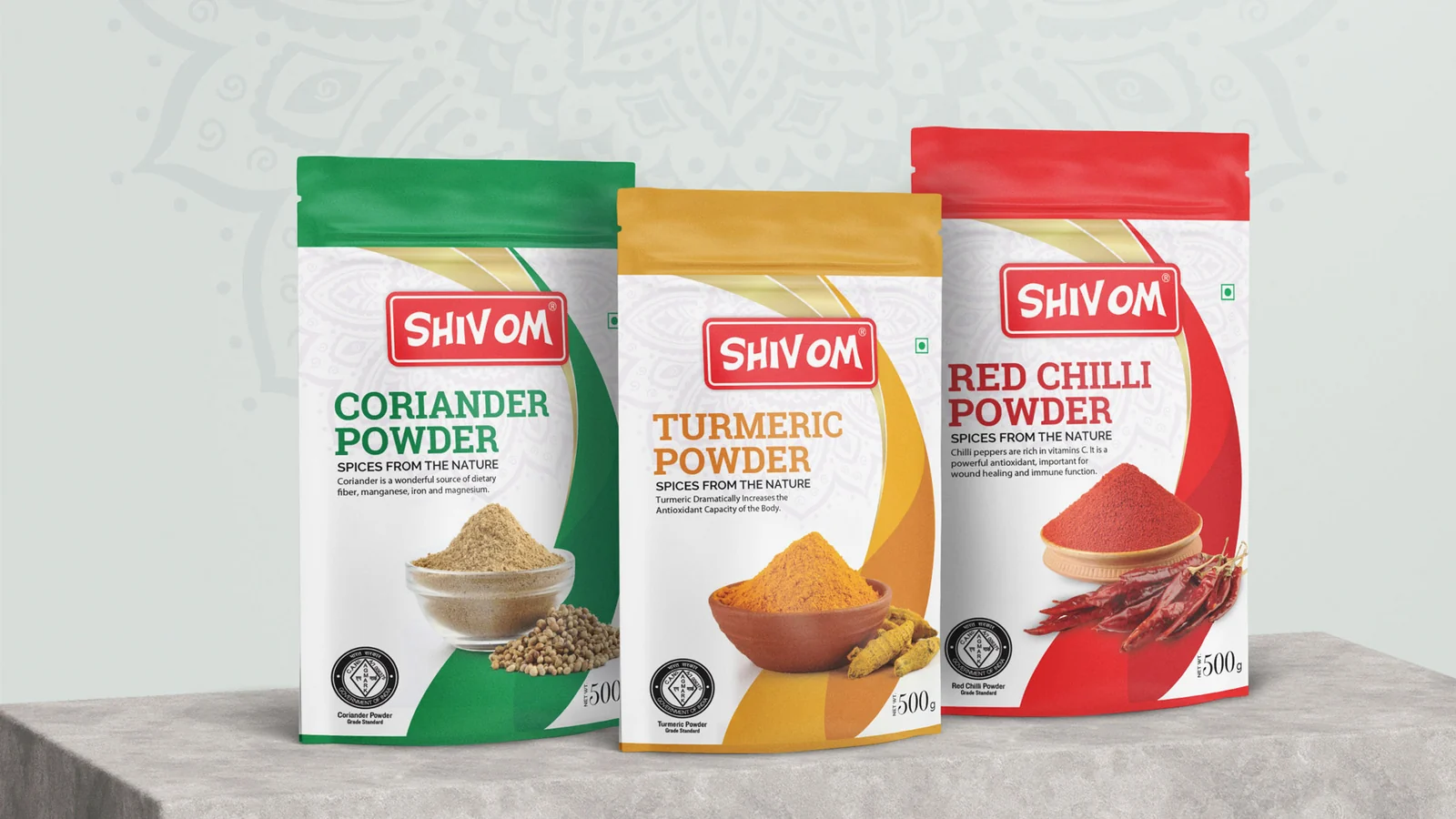
The catalogue includes flat-bottom pouches and window pouches. These examples show different physical constructions; they are not interchangeable specifications. A box-style base gives the filled pack a distinct footprint, with separate front, back and side panels. Compare a plain top opening with a regular zipper, and use filled samples to decide the shelf depth and panel proportions.
| Format reference | Material or construction to clarify | Details to include in the brief |
|---|---|---|
| Flat-bottom pouches | Flexible laminate with paper-look or opaque outer options; the appearance alone does not identify the full layer structure. | Base width and full opened depth; net fill and product bulk. |
| Window pouches | A transparent window combined with paper-look or opaque flexible panels; confirm the full structure and product requirements. | Window width, height and location; product visibility at full and low fill. |
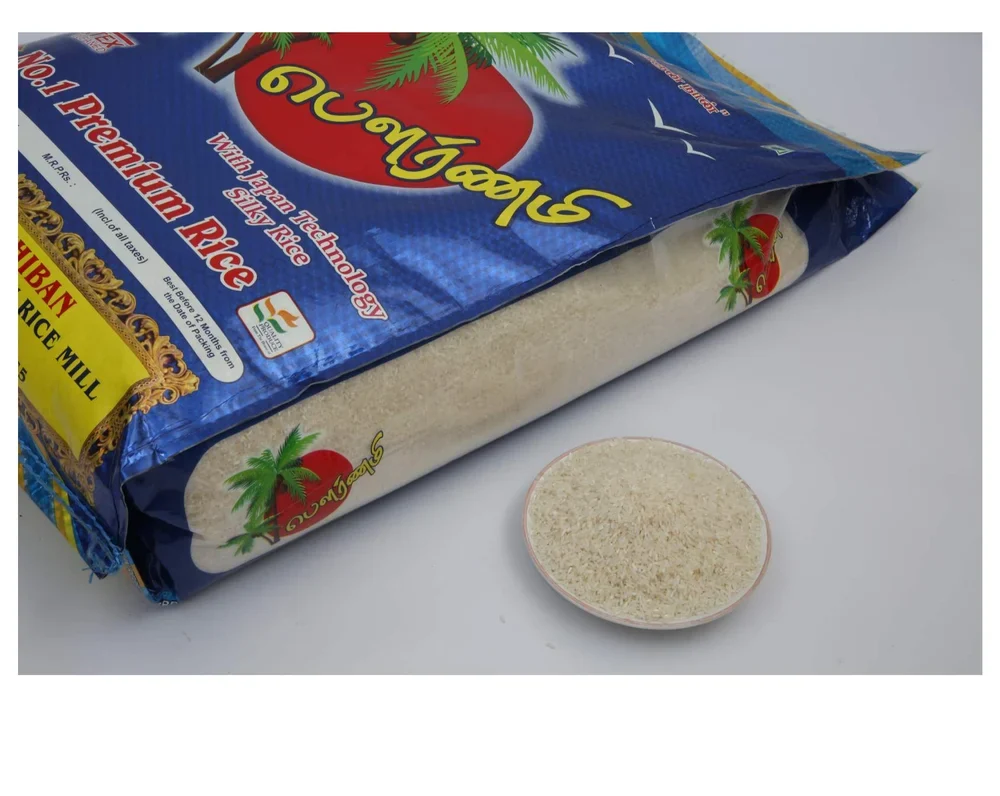
Use the reference pictures to identify the base, side panels, window or opening that you mean. A picture cannot supply the missing dimensions or material layers. If a photograph shows a finish or closure you do not want, state that difference explicitly; otherwise a visual reference can introduce an unintended requirement.
Complete the record before requesting the next sample
- Attach two filled candidates photographed beside the same ruler. Identify the product or SKU and the date of the observation.
- Record the intended shelf position, filling opening and use after opening. Keep confirmed information separate from proposed values and questions for the supplier.
- Add the actual fill weight or volume, the dimension convention, material proposal and intended closure. Include the number of designs and quantity per design when requesting a quotation.
- State which question the next drawing, sample or quotation must resolve. A change of size, closure or material should remain visible alongside the earlier reference.
This record makes the next conversation specific. It lets the design, purchasing and packing teams work from the same proposed item and shows which decision still needs evidence. Review the related product pages for format details, or prepare a custom packaging brief with the unresolved requirements.
Release a candidate with explicit limits
Select the candidate only when the required interfaces have evidence. Record the approved drawing, sample reference and remaining qualification work. If a trial has covered only one fill quantity or product variant, say so. Revisit the selection when the fill, machine, closure, retail fixture or distribution route changes. A useful approval explains why the format fits the current job and what would require another review; it does not turn a sample into a universal packaging recommendation.
Send the completed format gate sheet with your product and filling details to Navkar Poly Print for a project-specific discussion. Ask for the proposed specification, evidence required and open questions to be recorded before quotation approval.
Continue with a product-specific buying guide
Use the food packaging pouches guide for food formats, materials and print. For staples, the rice and grain bag guide connects retail packs, woven sacks and liners. For shops and bedding ranges, the retail and textile packaging guide separates the product bag, carrying layer and dispatch pack.
Each guide links to focused format lists and the relevant products. Browse all packaging buying guides to choose the next decision rather than repeating the entire selection process.
Sources and scope.
These references support the technical discussion. Product photographs illustrate formats; the material, dimensions and suitability of the proposed pack are confirmed for each project.
- Mespack solution finder
Equipment supplier distinguishes rollstock and premade-pouch routes; no Navkar equipment inference.
- Mondi stand-up pouch
Primary format reference; does not establish the performance of another supplier's pack.
- Pre-Made Pouch Packaging Machine
Manufacturer description of feeding, transfer, opening, filling and top sealing; machine-family information only, not Navkar capability.
Let’s discuss your product.
Share your contents, dimensions, filling method, quantity and delivery destination. We’ll work through the proposed packaging specification with you.
Create a packaging brief