
Release a seal drawing only after its geometry, features and filling closure interface agree with the accepted package proposal. The drawing is a shared manufacturing and review reference, so it needs clear orientation, dimensions, joint locations and version identity. Link it to the applicable evidence and state open conditions. This gives the buyer a concrete approval record without claiming that a drawing alone demonstrates the finished pack’s performance.
Reconcile the drawing with the project
Check that the structural reference matches the proposed material, format and features. Show flat dimensions and their conventions, front and rear orientation, folds or gussets, and the supplied opening. Mark the original final closure and any fitment or reclosure separately. Ask the converter to confirm the proposed supply geometry and the filling owner to confirm its interface. Avoid approving a generic catalogue drawing while ordering a different feature arrangement. The reference should describe the actual item that both parties intend to make and receive.
Attach evidence to the affected locations
Use numbered seal paths and feature joints to link samples and review records. Ask the technical owner which evidence supports each relevant requirement. Visual inspection and strength assessment have different scopes, reflected in ASTM F1886/F1886M and ASTM F88/F88M. The methods cited here do not supply universal dimensions or acceptance limits. Record the actual approved basis and any condition not covered, including differences between geometry prototypes and representative production samples.

Issue one accepted structural baseline
Resolve comments into a clean drawing and record the approval scope and owners. Ask the supplier and filling site to acknowledge the applicable revision through the project process. Mark superseded references clearly and keep annotated discussions separate. If a feature position, material, dimension or delivered opening changes later, trace which requirements and evidence need review. A familiar product name should not let a revised seal arrangement bypass approval. The clean reference must remain connected to the order and the actual receiving operation.
Use a seal-drawing release record
The release record is the final reconciliation point for the structural interface. It points to technical decisions and samples rather than replacing them with a broad approved stamp.
| Record | What to capture and how to use it |
|---|---|
| Drawing identity | Record item, format and exact structural revision with flat-dimension conventions. Confirm front, rear and opening orientation so the drawing can be interpreted consistently by supplier, artwork and filling teams. |
| Joint and feature map | Number seals and feature interfaces and identify folds or gussets. Distinguish the supplied opening, original final closure and consumer reclosure where present, preserving the actual handover between manufacturing and filling operations. |
| Linked configuration | Identify construction, components, artwork layout and receiving route references. Check that these describe the same proposed item, preventing a generic drawing approval from being applied to a different feature or material configuration. |
| Evidence and conditions | Link relevant sample and review records to the numbered locations. Record the accepted scope and remaining qualification questions, distinguishing a geometry reference from evidence of full filled-package performance. |
| Release and changes | Record authorised decisions, supplier acknowledgement and the applicable order reference. Keep a clean accepted drawing and trace future changes through affected owners before issuing another production baseline. |
Retain the identified reference samples through the project's agreed process. They can clarify the intended geometry, while the drawing and evidence records explain what the samples represent and which decisions they support.
Illustrative opening-edge revision
A project changes the delivered filling edge after an earlier drawing review. The revision affects the closure map, orientation and part of the artwork layout. The document owner returns the affected references to the converter, filling and artwork owners, then issues one clean accepted revision. The example does not assume the change is technically difficult or harmless. It shows how a clearly identified structural revision keeps the supplied pouch and the receiving operation aligned.
Approve a drawing that represents the finished interface
The seal drawing should identify the manufactured pouch and the relevant state after filling and final closure. Show the supplied joints, remaining opening, folds and features. Mark viewing direction and the reference points used for dimensions. A drawing that looks complete in the empty state may still leave the final closing relationship unclear.
Ask the converter and filler to confirm their respective parts of the map. The supplier identifies what it delivers, while the filler identifies the remaining operation and its interface requirement. Their agreement should refer to one drawing revision. Separate this structural agreement from the technical evidence needed to accept the actual closure process and intended application.
Link features to nearby joints
A zipper, spout, notch, hanging feature or shaped edge can interact with the closure layout. Identify each feature by its actual reference and location. Do not leave a feature as a generic symbol whose final position will be chosen later. The technical owners need the complete proposed arrangement to assess the relevant interfaces.
The 2023 Ilhan study found region-dependent seal behaviour in a specified folded multilayer geometry. This is a reason to identify transitions and intersections, with its material-specific limits retained. The project's own construction and technical assessment determine the acceptance evidence; no research setting is transferred into the drawing.
Keep dimensions interpretable
For each critical dimension, show measurement points and units. Distinguish an overall pouch dimension from a seal region or usable opening. State the agreed acceptance basis through the current specification. A number without a clear reference can be measured accurately in the wrong place, leaving two teams with conflicting conclusions.
If a dimension is proposed rather than accepted, mark its status in the review record. Avoid putting workflow notes into the customer-facing artwork. The drawing and accompanying approval documentation should let the technical reviewer see what remains unresolved without confusing a preliminary proposal with an instruction for production.
Map evidence coverage to the current drawing
Identify which samples or reports support the relevant joints and features. Record the construction, process or sample differences that matter to applicability. A previous specimen can remain useful, but its relationship to the current drawing should be explained. A revised feature position may require a new assessment even when the outside dimensions remain unchanged.
Separate visual drawing conformance from other technical requirements. A neatly made sample can match the outline while another closure question remains open. The acceptance record should identify which decisions are complete and who owns the rest. Procurement can then confirm coverage without interpreting specialist test results itself.
Resolve a changed opening before final approval
Suppose an illustrative revision narrows the filling opening to accommodate another feature. Compare it with the filler-confirmed requirement and observe a representative sample where appropriate. Record whether the product path and final closing region remain acceptable. Do not approve the feature in isolation and leave the opening consequence to be discovered later.
If another geometry change is needed, issue a controlled drawing revision and route affected artwork and fit questions to their owners. Keep the earlier observation for comparison. The next sample should answer the changed interface question, with other differences declared so the result can be interpreted accurately.
Issue an acceptance with clear coverage
The closing note should identify the drawing, linked construction and components, accepted evidence and relevant filling condition. State the scope of release and remaining gates through the project's procedure. A broad signature on an unlabelled drawing is weaker than a concise decision linked to the correct evidence.
Use that accepted set for repeat-order and change review. If the product, filling route, feature or construction changes, ask which interfaces and evidence need reassessment. The final drawing becomes a useful shared reference for the converter, filler and brand. It communicates the actual closure arrangement while keeping technical approval grounded in the identified package rather than a familiar shape or an assumed universal seal rule.
Seal specification handover: a practical specification example
A pouch closes neatly when empty but behaves differently once product reaches the seal area. Use a representative fill and distinguish the factory-made seals, the final closing seal and any reclosure. The useful record shows where the problem appeared and what product or handling condition was present. Do not change several variables at once and then attribute the result to one feature.
For this decision, start with the approved drawing and tested sample identity. The useful output is one closing specification available to the people packing the product. Put that output beside the relevant quotation, drawing or sample rather than leaving it in a separate email. This is an illustrative decision exercise, not a report of a completed customer trial.
Product references to make the discussion concrete
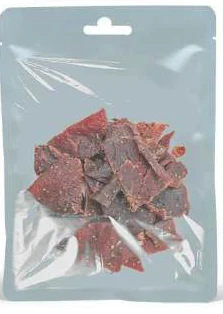
The catalogue includes dried-food and pet-treat pouches and vacuum packaging bags. These examples show different physical constructions; they are not interchangeable specifications. A clear face can show the contents, while an opaque panel leaves space for the artwork. Discuss zipper and no-zipper versions according to portion size and use after opening. The food or treat formulation, surface oils and intended storage conditions determine the material brief.
| Format reference | Material or construction to clarify | Details to include in the brief |
|---|---|---|
| Dried-food and pet-treat pouches | Clear-front or opaque flexible laminate with a product-specific contact layer; barrier and seal requirements are confirmed separately. | Product texture, oils and portion size; use after first opening. |
| Vacuum packaging bags | Clear or opaque flexible vacuum-bag construction; layer structure, thickness and surface requirements are confirmed for the packing method. | Product shape, edges and fill weight; usable opening and final seal band. |
Use the reference pictures to identify the base, side panels, window or opening that you mean. A picture cannot supply the missing dimensions or material layers. If a photograph shows a finish or closure you do not want, state that difference explicitly; otherwise a visual reference can introduce an unintended requirement.
Complete the record before requesting the next sample
- Attach one closing specification available to the people packing the product. Identify the product or SKU and the date of the observation.
- Record the approved drawing and tested sample identity. Keep confirmed information separate from proposed values and questions for the supplier.
- Add the actual fill weight or volume, the dimension convention, material proposal and intended closure. Include the number of designs and quantity per design when requesting a quotation.
- State which question the next drawing, sample or quotation must resolve. A change of size, closure or material should remain visible alongside the earlier reference.
This record makes the next conversation specific. It lets the design, purchasing and packing teams work from the same proposed item and shows which decision still needs evidence. Review the related product pages for format details, or prepare a custom packaging brief with the unresolved requirements.

Carry the baseline into the order
Use the drawing-release reference in the quotation, purchase order and incoming review. Ask suppliers to state proposed deviations before production. Reassess the relevant scope when the product or receiving route changes. A controlled seal drawing provides a reproducible interface and a useful location vocabulary while keeping actual performance claims tied to the evidence accepted for the project.
Send the completed seal-drawing release record with your product and filling details to Navkar Poly Print for a project-specific discussion. Ask for the proposed specification, evidence required and open questions to be recorded before quotation approval.
Sources and scope.
These references support the technical discussion. Product photographs illustrate formats; the material, dimensions and suitability of the proposed pack are confirmed for each project.
- ASTM F1886/F1886M visual inspection of flexible seals
Method scope for visual seal inspection; method selection and acceptance criteria require qualified review.
- ASTM F88/F88M seal strength
Standards-owner method scope; qualified team must determine current applicable edition and acceptance criteria.
- Observing the effect of pressure and temperature on the seal integrity of critical seal regions of various flexible bag designs
2023 specific-film study supports identifying layer transitions/intersections; no process settings transferred.
Let’s discuss your product.
Share your contents, dimensions, filling method, quantity and delivery destination. We’ll work through the proposed packaging specification with you.
Create a packaging brief