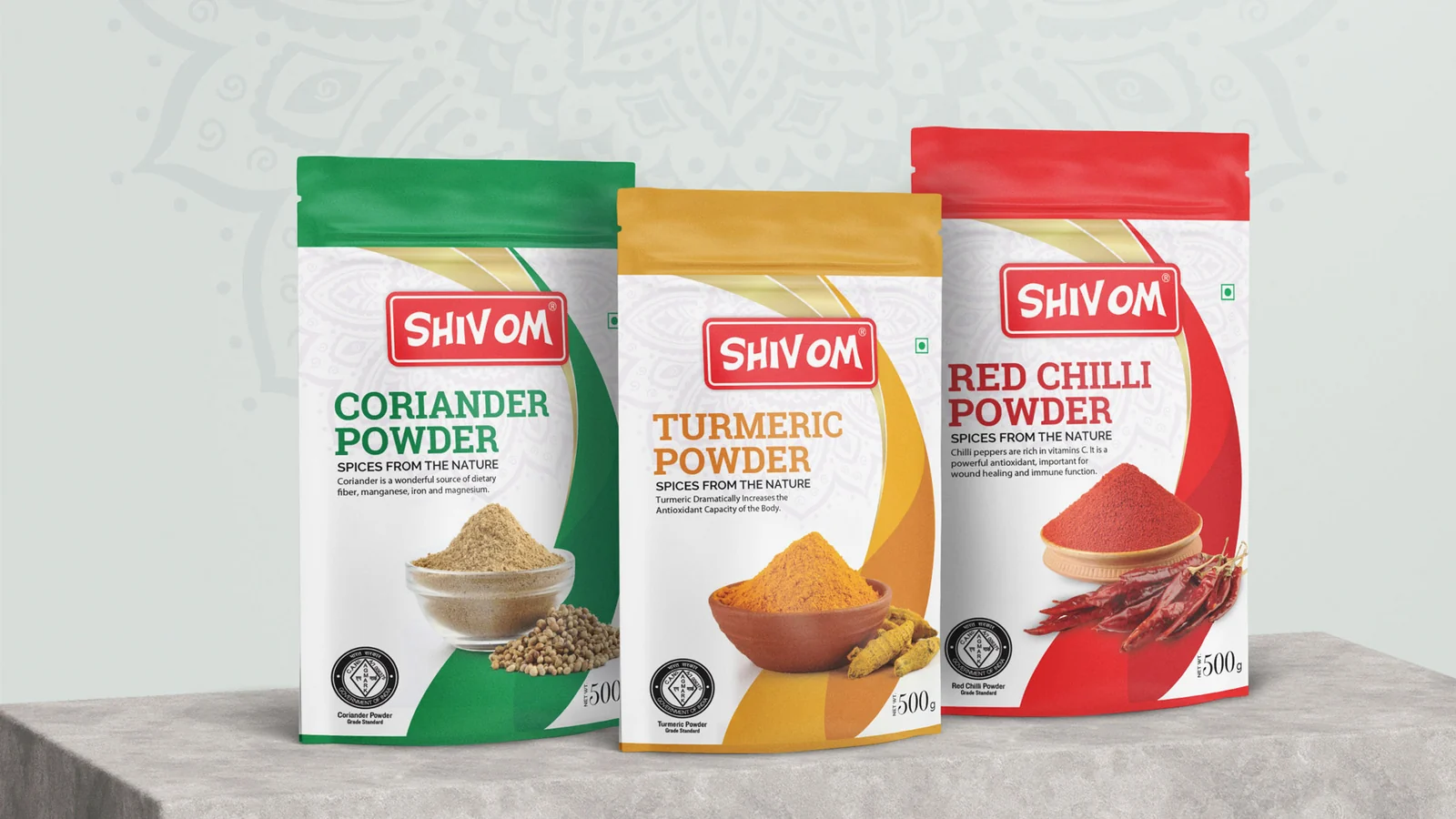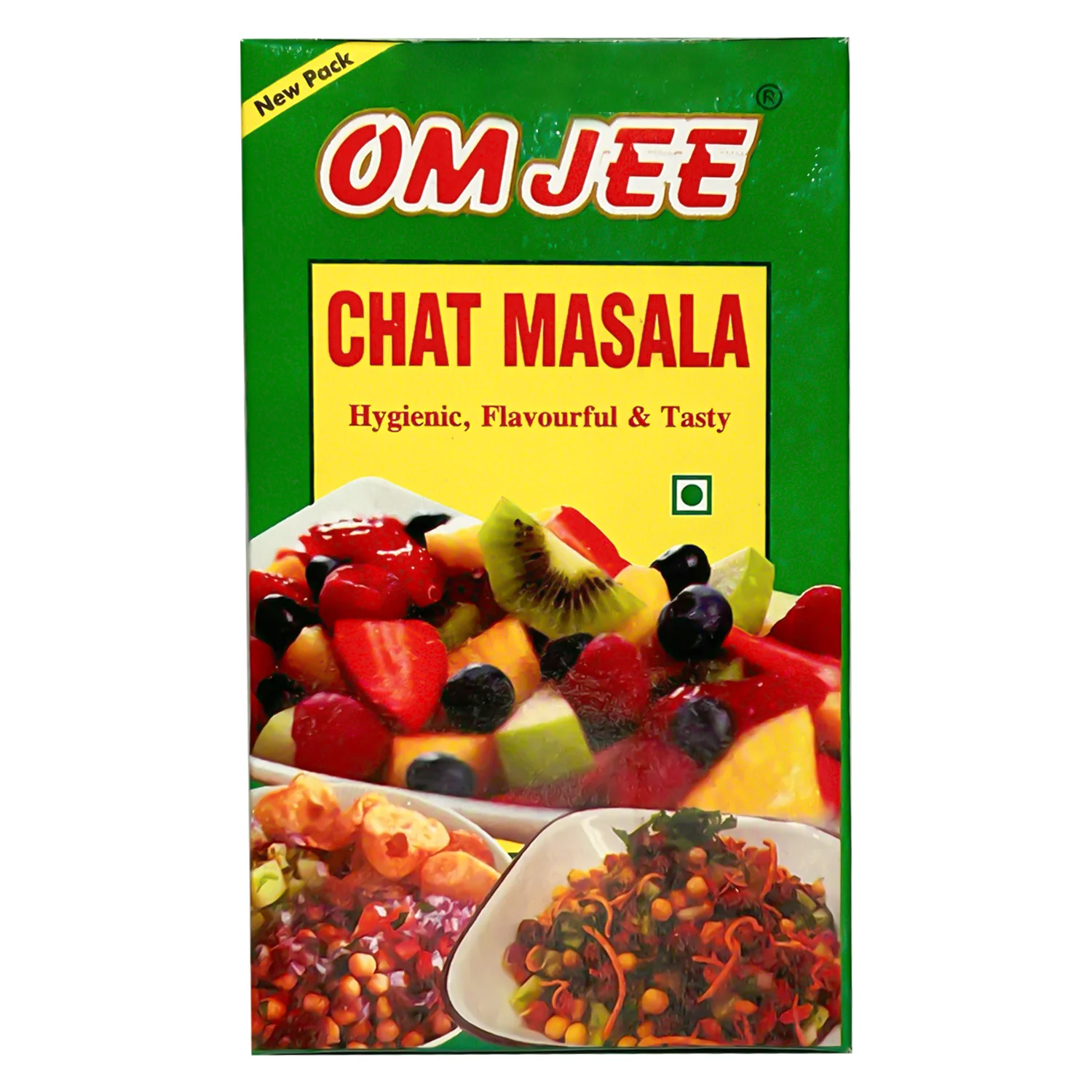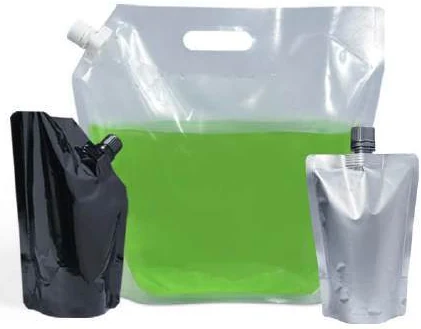
Food packaging pouch types describe the geometry of the pack, not a complete material specification. Use this list to identify formats worth sampling, then compare them with your actual food, fill weight and closing process. Some features overlap: a stand-up pouch can also have a zipper, and a gusseted pouch can include a window.
The ten entries below cover distinct format families and commonly requested configurations. They are not a ranking. For the full buying sequence, start with the food packaging pouches guide, then return here to compare the physical options.
1. Three-side-seal pouches
A three-side-seal pouch is a flat format with three converted edges and an opening specified for filling and final closing. It is worth considering for compact portions, powders and refill quantities where a standing base is not essential. Confirm the direction in which the empty pouch is supplied and which edge the packing operation closes.
Keep the usable body separate from the seal margins. A drawing that looks generous externally can leave less food space than expected. Test the filling opening and completed pack before finalising the artwork. Explore three-side-seal pouches for a starting format.
2. Centre-seal pillow pouches
This format has a longitudinal back seam and closed ends. It is a candidate for snack portions, wrapped foods and other products packed through a compatible forming route. The back seam, end seals and print repeat need to be coordinated with the proposed pack.
Check where the product sits relative to the seals and how much front artwork remains visible after filling. Do not confuse a food pillow pouch with a retail bag for a bedding pillow. They share a word but represent different products and purchasing specifications.
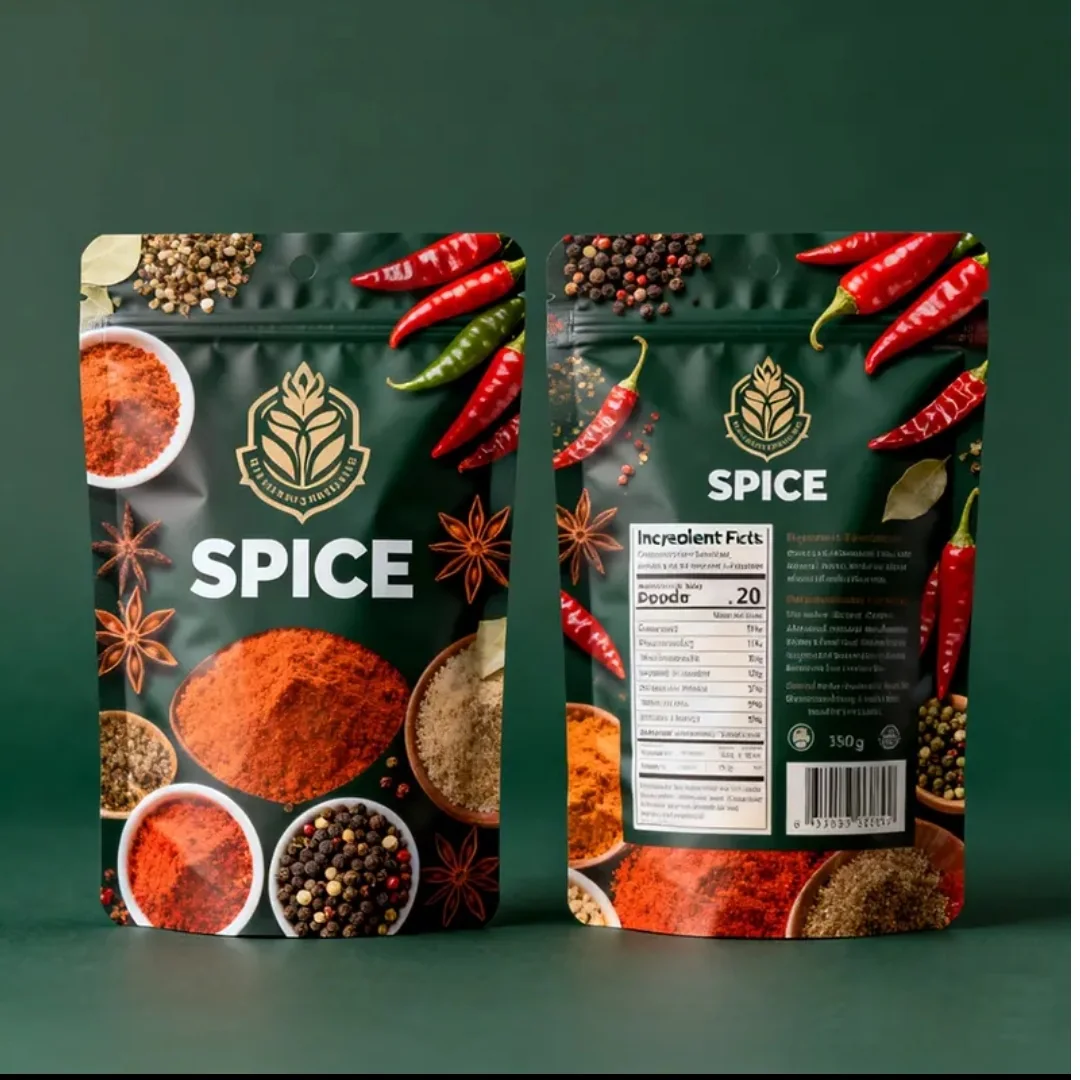
3. Bottom-gusset stand-up pouches
A stand-up pouch uses an expanding bottom area to create an upright filled presentation. Compare it where shelf display, a larger brand panel or repeated use matters. Trial the actual product at the intended fill and check the base shape, overall footprint and access after opening.
The base can behave differently with a powder, irregular nuts or a bulky snack. The format name does not prove that every size will stand equally well. Use a filled sample of the stand-up pouch, including the proposed closure and any window.
4. Side-gusset pouches
Side gussets provide extra space when the sides open around the contents. They can be useful when comparing a taller pack or a configuration with additional side panels. Define the measurement convention explicitly: a folded gusset dimension and a fully opened depth are different numbers.
Review the top opening, the final closing shape and how the back seam affects the rear panel. If the food is irregular or settles unevenly, examine several filled samples rather than approving one ideal arrangement. See side-gusset pouches for a format reference.
5. Flat-bottom pouches
A flat-bottom format offers a defined base and multiple panels for product presentation. Consider it when the filled footprint and side artwork are important parts of the retail concept. Compare the base dimensions with the available shelf space rather than selecting it only from a front-view photograph.
Check how the base is formed, how the product settles and whether the opening suits the filling task. Review each panel on the approved drawing, including folds and closures. A flat-bottom pouch still needs its own material and filled-pack approval.
6. Resealable zipper pouches
A zipper is a closure feature that can be combined with several pouch bodies. It is worth comparing for food used over multiple occasions, such as dry-fruit or family-size snack packs. Specify the initial closing arrangement separately from the zipper's later reclosure function.
Trial opening, access and reclosing with the real food. Loose powder or seasoning near the closure should be part of the review. Check the space between the opening feature, zipper and artwork. The zipper pouch range provides examples without prescribing one structure for every food.
7. Window and clear-panel pouches
A viewing window can show the food while retaining a printed surrounding panel. A largely clear body gives a different balance of visibility and graphic space. Decide which part of the food should be seen and check the view after filling, settling and normal shelf handling.
Specify the window position, dimensions and proposed construction. Clarity is not a barrier specification, and a window should not be assumed suitable for every light-sensitive product. Review window pouches alongside opaque alternatives using the same product and storage brief.
8. Spouted pouches
A spout creates a defined pouring or transfer opening for a suitable liquid or flowable product. The fitment, cap, position and intended filling route form part of the specification. Share the food's actual formulation and flow characteristics with the team reviewing the pack.
Check dispensing into the intended receiving container and the user's grip on the filled pouch. A product with particles may present a different opening requirement from a smooth liquid. Compare spout pouches through the use task, not simply the cap colour.
9. Bar wrappers and flow-wrap covers
Chocolate bars, wafers and similar products can need a wrapper shaped around a relatively fixed product outline. Record the product's length, width, thickness and any tray or inner component. Map the folds, back seam and end closures around that complete assembly.
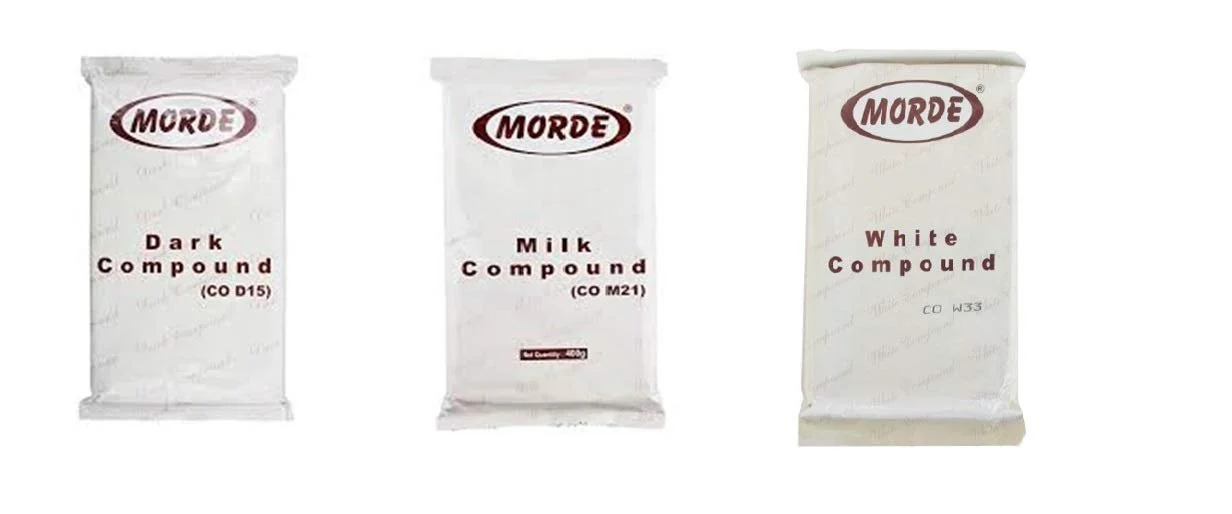
Keep the hero brand face readable after wrapping. Trial the actual product contact and opening action, then approve the print orientation and repeat for the packing route. The chocolate wrapper range includes Morde visual references to help explain the cover style.
10. Custom-shaped pouches
A shaped pouch uses a specified cut outline to create a distinctive silhouette. A leaf, bottle or heart profile can change the usable area substantially compared with a rectangle of the same overall width and height. Start with the internal product space and closing requirements before detailing the outer contour.
Keep seals, opening features and key artwork within the approved profile. Request a dimensioned drawing and physical fit review. Explore paan-shaped pouches or bottle-shaped pouches as references; the final outline is developed for the intended product.
Shortlist by the decision that matters most
| Your first question | Start by comparing |
|---|---|
| Does the pack need to stand on a shelf? | Stand-up, side-gusset and flat-bottom formats |
| Is the food a single portion? | Flat sachets, pillow packs and suitable wrappers |
| Will the consumer close it again? | Zipper configurations and the initial seal |
| Will the contents be poured? | The appropriate opening or spout assembly |
| Must the customer see the food? | Clear and window panels versus opaque designs |
Record two or three viable options and the reason each remains on the list. Add the fill, dimensions, material proposal and packing route, then move through the food pouch buying guide. For masala products, the spice packaging list provides a more application-specific comparison.
Sources and scope.
These references support the technical discussion. Product photographs illustrate formats; the material, dimensions and suitability of the proposed pack are confirmed for each project.
- ICPE: Packaging of Spices
Technical background on spice forms, moisture, aroma and packaging formats. Historical market figures and older material recipes are not used as current specifications.
- Mondi: Mono-material barrier packaging
Manufacturer reference showing that film structure, barrier and opening features are distinct choices. Its product-specific claims do not describe Navkar materials.
Let’s discuss your product.
Share your contents, dimensions, filling method, quantity and delivery destination. We’ll work through the proposed packaging specification with you.
Create a packaging brief