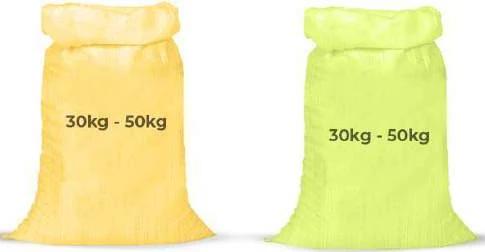
Plan a snack distribution trial around the route and handling the product will actually encounter. Identify the complete pouch, carton, quantity, destination and assessment method before shipping trial material. A successful local hand delivery does not establish performance for a different freight route or storage exposure.
Define the decision the route trial must support
State whether the trial is investigating product damage, outer-pack fit, receiving condition or another specific question. Ask the technical and product owners to define the relevant acceptance criteria and methods. Do not invent a transport standard or declare a route qualified from informal photographs alone.
Record origin and actual destination details. India-wide industrial buyers and nearby export enquiries need route-specific quotations and evidence. A Sri Lanka enquiry, for example, requires its own commercial and route assessment; a domestic trial does not establish its economics or performance.
Match the route question to the evidence method
Decide whether the immediate purpose is exploratory observation, comparison of two proposed systems or qualification under an agreed protocol. These purposes need different plans. A learning shipment may reveal handling points, while a formal acceptance decision requires the relevant owners to define methods and criteria before dispatch.
ISTA's public procedure overview distinguishes screening from partial and general simulations, with procedures intended for particular distribution conditions. That scope guidance supports choosing a relevant assessment with a competent technical team. It does not make an informal route shipment an ISTA test or certify a pack.
Describe the shipment form: individual parcels, cartons in a larger load, or a defined unitised arrangement. Record the actual handovers expected. The same snack pouch can experience different contacts and handling when its outer-pack and delivery route change.
Where a nearby export enquiry is being considered, map the proposed transport and receiving sequence rather than copying a domestic route plan. Do not invent temperature, transit duration or carrier performance. Missing information can become a data request, a monitored exposure or an explicit limit on the first learning trial.
Lock the complete configuration
Identify product version, fill quantity, pouch drawing, material proposal, closure and carton revision. Record units per carton and loading orientation. If pallets, dividers or liners are part of the route, identify them. An unrecorded outer-pack change can make the result difficult to interpret.
Ishida's snack resource separates damage and presentation concerns. Apply the same separation to the trial: a good-looking outer carton does not by itself establish acceptable snack condition or complete-pack performance.
Design sample identity around receiving work
Give each trial carton an identity that receiving staff can retain through assessment. Link its contents to product, pouch and outer-pack references. If different configurations share a shipment, arrange the records so the receiver can distinguish them without opening every pouch first.
Agree the assessment sequence with the receiver in advance. Photograph outer condition before opening where practical, record any disturbed arrangement and identify samples selected for further examination. A helpful receiver who repacks damaged contents before documenting them can unintentionally remove important evidence.
An illustrative plan might contain cartons A1 and A2 for one arrangement and B1 and B2 for another. Record their loading positions if known. Those four fictional identifiers organise the comparison; they do not represent a statistically sufficient sample size or a prescribed test plan.
Set a practical route for discrepancies. The receiver should know whom to contact if the shipment is delayed, partially delivered or handled differently from the plan. Record the actual event. Treating an unexpected transshipment as though the planned direct route occurred would weaken the conclusion and could hide the exposure the trial was intended to understand.
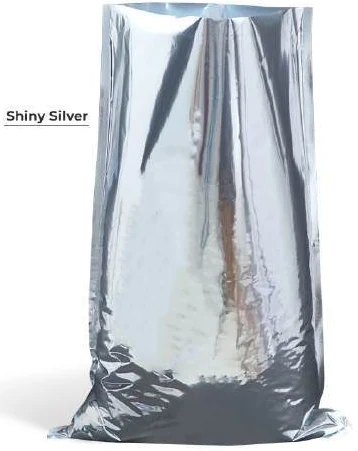
Use a route-exposure card
| Trial element | Planned record | Actual record |
|---|---|---|
| Configuration | Product, pouch and carton IDs | Confirmed dispatched version |
| Route | Carrier and intended journey | Actual handling information available |
| Timing | Dispatch and receiving plan | Recorded dispatch and receipt |
| Storage | Intended conditions | Known exposure and deviations |
| Assessment | Method and responsible owners | Results with sample references |
This original card keeps uncertainty visible. If a condition was not monitored, say so. Do not fill missing temperature, humidity or handling data with assumed values.
Agree how the receiver will preserve samples with unusual findings. Give the site a reference and contact route through the authorised project workflow. A sample that is discarded after a quick photograph may leave the technical team unable to examine the closure or product condition. Record what was retained, by whom and under which procedure.
Also keep the actual dispatch configuration photographs. They can establish loading orientation or dividers that were present at origin. They cannot establish every event during transport, but they help separate the known starting arrangement from an arrangement reconstructed after receipt. That distinction becomes especially useful when a carton is reopened or repacked during the journey.
Retain a meaningful baseline
Assess representative product and complete packs before dispatch using the same method planned at receipt. Keep suitable retained references under the product owner's storage procedure. The baseline helps distinguish pre-existing product variation from changes during the route.
Ishida's fragile-snack resource identifies gentle handling as a specific application concern. Review the product transfer and carton loading stages too; a route trial should not automatically assign every observed fragment to the carrier or pouch.
Preserve a baseline that answers the same question
The baseline and receiving assessments need comparable methods. If product damage is the question, use the product owner's same defined assessment at both points. If the question is carton fit, retain loading photographs and configuration details. A baseline of weight alone cannot explain a later visual damage result.
Identify when the baseline was taken relative to filling and cartoning. A pre-filling product sample helps locate an earlier condition, while a post-cartoning baseline captures the state entering distribution. Both may be useful, but they answer different stage questions.
Keep retained material under the product owner's approved conditions and record the timing of assessment. A retained reference is not automatically unchanged merely because it stayed at origin. Its role and limitations should be clear in the plan.
For an illustrative finding, received product differs from post-cartoning baseline while retained material shows a smaller difference. The team should consider exposure, time, assessment variation and sample comparability before assigning cause. The result can justify a focused follow-up even when it does not yet support a single explanation.
Review receiving observations by category
Record carton condition, pouch appearance, closure observations and product condition separately. Photograph the outer pack before opening when practical, then link internal findings to carton and sample identities. The responsible technical team should interpret any closure concern using appropriate evidence.
For an illustrative result, cartons may arrive without visible damage while the product-condition assessment differs from baseline. That finding warrants investigation of the complete handling route and assessment variability. It is not proof that the carton, film or carrier alone caused the change.
Report observations without stretching the route claim
Create separate result fields for outer pack, pouch appearance, closure evidence and product condition. Link each finding to samples and photographs or reports. If the closure requires a technical test, retain that result under its method rather than replacing it with a general receiving impression.
State exposure coverage plainly. The actual journey, dates, known handling and monitored conditions define what was observed. Conditions not recorded should remain unknown. One uneventful shipment does not establish performance across different seasons, carriers or loading arrangements.
Make the next action proportional to the finding. A repeated loading issue may justify an outer-pack comparison. An unresolved product-condition change may require closer stage boundaries or more representative sampling. A missing route record may justify a better documented repeat rather than an immediate material change.
Write a closure statement that purchasing can use: which configuration may advance, under which approved scope, with which remaining gate. Preserve the route-exposure card with the commercial enquiry. Delivered economics should come from the actual quotation and shipment scope, while technical acceptance should remain traceable to the appropriate owners and evidence.
Snack distribution: a practical specification example
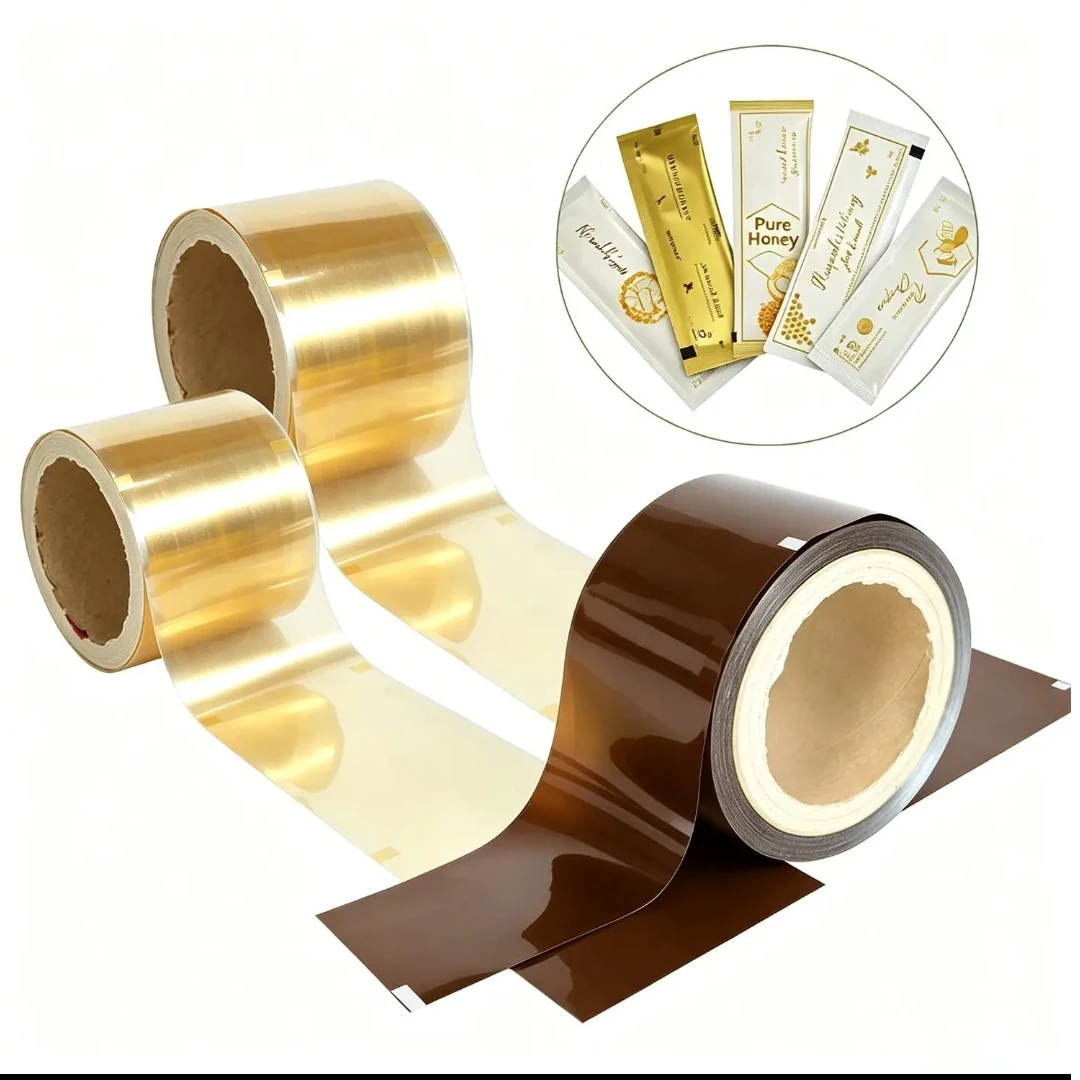
A snack brand is comparing an upright pouch with a flexible pack supplied from rollstock. Use the actual snack, since bulky pieces can settle or break differently from a powder or grain. Record the filled volume, the amount of clear closing space and the retail presentation. A resealable format also needs to be checked after part of the product has been consumed.
For this decision, start with the filled pack, carton and route. The useful output is a trial carton arrangement before comparing transport costs. Put that output beside the relevant quotation, drawing or sample rather than leaving it in a separate email. This is an illustrative decision exercise, not a report of a completed customer trial.
Product references to make the discussion concrete
The catalogue includes window pouches and transparent stand-up pouches. These examples show different physical constructions; they are not interchangeable specifications. A window reveals part of the product while retaining an opaque area for artwork. Define its shape and location on the dieline, then check it at the intended fill level. An empty mockup can make a window appear better positioned than it is after the product settles.
| Format reference | Material or construction to clarify | Details to include in the brief |
|---|---|---|
| Window pouches | A transparent window combined with paper-look or opaque flexible panels; confirm the full structure and product requirements. | Window width, height and location; product visibility at full and low fill. |
| Transparent stand-up pouches | Transparent flexible film or laminate; optical clarity does not identify its barrier properties or complete composition. | Required clear viewing area; print coverage and opaque backing needs. |
Use the reference pictures to identify the base, side panels, window or opening that you mean. A picture cannot supply the missing dimensions or material layers. If a photograph shows a finish or closure you do not want, state that difference explicitly; otherwise a visual reference can introduce an unintended requirement.
Complete the record before requesting the next sample
- Attach a trial carton arrangement before comparing transport costs. Identify the product or SKU and the date of the observation.
- Record the filled pack, carton and route. Keep confirmed information separate from proposed values and questions for the supplier.
- Add the actual fill weight or volume, the dimension convention, material proposal and intended closure. Include the number of designs and quantity per design when requesting a quotation.
- State which question the next drawing, sample or quotation must resolve. A change of size, closure or material should remain visible alongside the earlier reference.
This record makes the next conversation specific. It lets the design, purchasing and packing teams work from the same proposed item and shows which decision still needs evidence. Review the related product pages for format details, or prepare a custom packaging brief with the unresolved requirements.
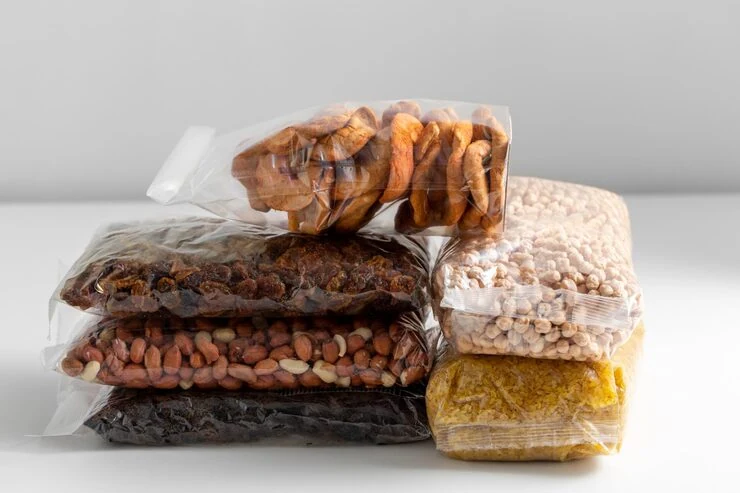
Bound the conclusion and next trial
State the configuration and exposure actually assessed, findings, unresolved questions and action owners. If the route deviated materially, decide whether another trial is needed. Do not generalise one result to every market, season or transport service.
Send Navkar Poly Print the route-exposure card, baseline and receiving observations when a pouch proposal needs review. Include actual destination details for the commercial enquiry. Material suitability, shelf life and delivered cost should each remain tied to their own relevant evidence rather than inferred from a single shipment.
Sources and scope.
These references support the technical discussion. Product photographs illustrate formats; the material, dimensions and suitability of the proposed pack are confirmed for each project.
- Ishida snack food packaging applications
Equipment manufacturer treats pack weight, damage and pack presentation as separate snack-line concerns.
- Ishida bread-snack handling
Fragile snack handling is an application-specific concern; no performance numbers transferred.
- ISTA Test Procedures public overview
Distinguishes procedure purposes and distribution contexts; no informal shipment is claimed as certification or a formal ISTA test.
Let’s discuss your product.
Share your contents, dimensions, filling method, quantity and delivery destination. We’ll work through the proposed packaging specification with you.
Create a packaging brief