Choose printed rollstock or premade snack pouches from the packing operation you can actually run and qualify. Both routes require product, artwork and closure decisions, but they hand different components to the filling team. Confirm the route before comparing packaging offers or freezing a finished-pack illustration.
Establish the real packing situation
Ask whether the product is packed in-house, by a co-packer or through a new line still under consideration. Identify the equipment and its technical owner. If the line is not selected, mark that dependency clearly. An RFQ for film cannot sensibly assume an unknown machine interface.
Record the snack's actual form, quantity range and expected product variation. Include fragile pieces, fines and seasoning observations. Ishida's snack applications treat weight, damage and presentation separately; keep those concerns visible when assessing either route.
Identify the operation that will exist at launch
Start with the actual launch arrangement, including any co-packer. Record who owns forming, filling, closing, coding and inspection. The component supplier can then understand which interfaces the order must satisfy. A future equipment plan should be identified separately from the operation currently authorised to pack the product.
For rollstock, the packing operation forms the pack from a reel and makes the relevant closures. Premade pouches arrive with a defined construction and retain the filling-and-final-closing interface specified for that proposal. The detailed machine requirements must come from the actual equipment and operating owners.
Do not reduce the comparison to machine size or a presumed production scale. A buyer may already have access to a suitable qualified operation for one route. Another buyer may need a new line project, operators and commissioning. Those situations create different decisions even when both intend to sell the same quantity of snack.
Create a launch-route statement in plain language: the named packing organisation will receive the identified component, run it on the stated operation and return the agreed finished-pack scope. Mark any unsettled handover. This statement becomes the basis for quotations and prevents purchasing from comparing offers that leave different work outside the price.
Define what each route hands over
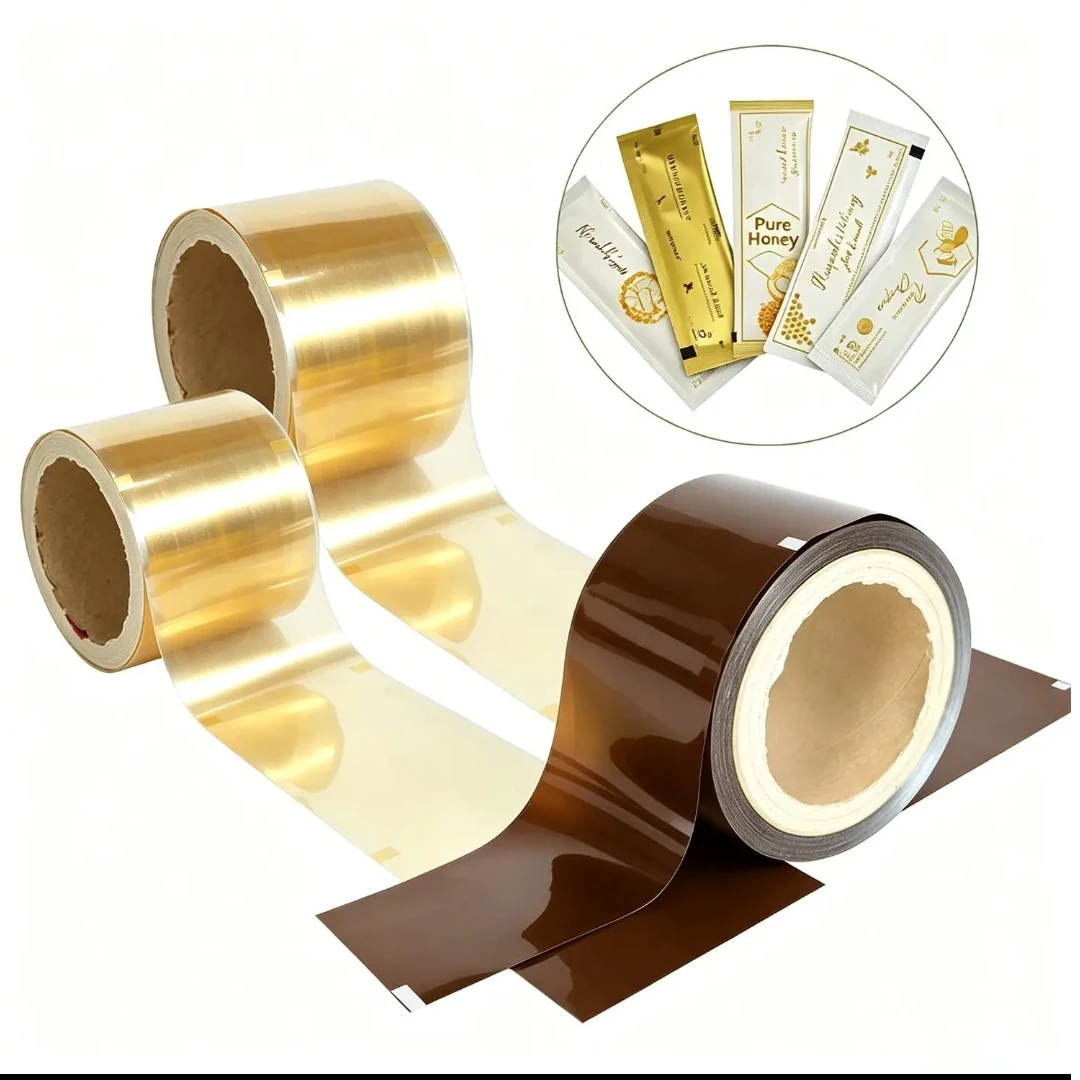
With rollstock, the component is a printed reel whose specifications must match the established forming and packing route. With premade pouches, the component arrives in an identified supplied state with an open filling interface. Ask the packing owner to list the exact information needed for the chosen route.
Ishida's ATLAS bagmaker page describes film supply within a snack-bagging system. A roll-fed proposal needs the machine-facing reel and print requirements from the actual packing owner. For premade supply, separately identify how the delivered pouch is presented, filled and closed. The cited machine is a technical route example, not evidence of installed equipment or compatibility at the buyer's site.
Ask for interface evidence at the right time
Separate preliminary feasibility from a production specification. An early discussion may need the product, intended quantity and broad line route. A production order needs the approved interface details, artwork arrangement and component tolerances agreed by the responsible parties. Treating an early sketch as a released specification creates avoidable ambiguity.
For a reel-fed route, request the actual line's relevant reel, registration and forming information through its technical owner. For premade pouches, request the relevant pickup, opening, filling and closing requirements. Do not transfer an interface value from another machine model simply because the product is similar.
Have the packing owner review any supplier deviation explicitly. If a proposal uses a different feature position or construction, ask which interface checks must be repeated. A component can be commercially available and still need qualification for the intended operation.
Keep the revision of the interface document in the route sheet. When a co-packer changes line or tooling, the previous component reference may need another assessment. The decision should follow the actual change, with a written reason for retaining or repeating evidence. This makes route selection maintainable after the first purchase.
Use a process-first route sheet
| Question | Rollstock evidence | Premade-pouch evidence |
|---|---|---|
| What receives the component? | Identified reel-fed route | Identified pouch-filling route |
| What interface is controlled? | Agreed reel and print parameters | Agreed mouth, dimensions and supplied state |
| What product task is reviewed? | Form, fill and close through the line | Present, fill and close the pouch |
| What graphic reference applies? | Released repeat and layout | Released pouch drawing and artwork |
| What remains open? | Named line or material trial | Named component or process trial |
This original sheet is a procurement decision aid, not an equipment recommendation. Ask the technical owners to provide the actual parameters rather than inserting guessed machine limits.
Record who supplies the outer pack and who bears the cost of development material. A quotation that includes finished-carton delivery cannot be compared directly with one that stops at empty components. Align the scope first, then compare amounts. Where an item remains unquoted, show it as an open cost rather than inserting zero and presenting the subtotal as complete.
Compare complete commercial scope
Request comparable quantities by SKU, artwork scope, setup items, sample route, outer packing and destination. Record what the packaging supplier includes and what remains with the packing operation. An apparently lower component price may describe a different scope rather than a better route.
Keep packing effort and utilisation assumptions transparent if they enter the decision. Use actual quotations or the buyer's documented operating information. Do not invent an output rate, wastage percentage or payback period to make one route appear preferable.
Compare usable output rather than component price alone
Build a cost model from actual scope. Include the purchased component, documented setup charges, filling service, other packaging, freight and any evidenced losses relevant to the decision. Keep assumptions visible and avoid using a universal utilisation or reject percentage.
An explicitly illustrative model can use cost units rather than market prices. Route A costs 12,000 units for 10,000 components plus 3,000 setup units. Route B costs 14,000 for 10,000 components plus 500 setup units. Their initial subtotals are 15,000 and 14,500 units respectively, before filling and other differences.
At 50,000 components, assuming unchanged fictional rates and one setup, those subtotals become 63,000 and 70,500 units. The example explains how setup can affect a comparison; it does not predict either route's actual economics. Filling, material use, scope and quotations can change the result.
If usable finished quantities differ, divide the relevant total by documented saleable units. State the treatment of retained samples, setup material and rejected packs. Procurement should be able to trace the denominator to the operating evidence rather than accepting a low price per empty component as the final business answer.
Trial the snack through the selected operation
Use representative finished product and the intended quantity. Observe product condition, access, closure region and complete-pack appearance. If different routes use different constructions, describe the trial as a comparison of complete proposals rather than proof that one format universally protects snacks better.
For an illustrative decision, an existing qualified pouch-filling operation may make premade pouches the practical starting route, while a future reel-fed line remains a separate project. The correct choice follows the actual operation and evidence, not a general claim that one component type suits every scale.
Set the route decision and its remaining gates
Use a short comparison record with separate conclusions for interface feasibility, snack handling, complete-pack requirements and commercial scope. A route that leads on one item may still have an unresolved gate elsewhere. Keep that gate visible instead of averaging unlike questions into an unexplained score.
An illustrative launch decision may select premade pouches because the intended co-packer has a documented compatible operation and the relevant sample trial is accepted. A later reel-fed project could remain under assessment. The reasoning concerns that buyer's launch conditions; it does not establish a permanent scale threshold for every snack business.
Before release, identify which development samples differed from the proposed production component. Review any affected task on a representative final construction. A hand-filled demonstration can support access observations while leaving the machine-interface decision open.
Retain the route statement, interface approval, trial references and quotation scope together. Future repeat orders can then follow the approved route, and a changed operation can trigger a focused review. The purchasing output is an orderable component for an identified packing process, with accountable approvals for the tasks the supplier's quotation does not itself establish.
Snack rollstock: a practical specification example
A snack brand is comparing an upright pouch with a flexible pack supplied from rollstock. Use the actual snack, since bulky pieces can settle or break differently from a powder or grain. Record the filled volume, the amount of clear closing space and the retail presentation. A resealable format also needs to be checked after part of the product has been consumed.
For this decision, start with the complete pack drawing and print repeat. The useful output is the reel specification linked to the chosen snack format. Put that output beside the relevant quotation, drawing or sample rather than leaving it in a separate email. This is an illustrative decision exercise, not a report of a completed customer trial.
Product references to make the discussion concrete
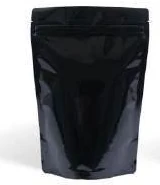
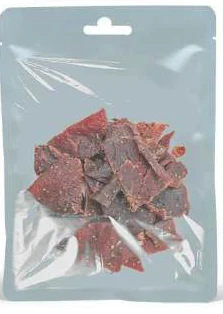
The catalogue includes window pouches and transparent stand-up pouches. These examples show different physical constructions; they are not interchangeable specifications. A window reveals part of the product while retaining an opaque area for artwork. Define its shape and location on the dieline, then check it at the intended fill level. An empty mockup can make a window appear better positioned than it is after the product settles.
| Format reference | Material or construction to clarify | Details to include in the brief |
|---|---|---|
| Window pouches | A transparent window combined with paper-look or opaque flexible panels; confirm the full structure and product requirements. | Window width, height and location; product visibility at full and low fill. |
| Transparent stand-up pouches | Transparent flexible film or laminate; optical clarity does not identify its barrier properties or complete composition. | Required clear viewing area; print coverage and opaque backing needs. |
Use the reference pictures to identify the base, side panels, window or opening that you mean. A picture cannot supply the missing dimensions or material layers. If a photograph shows a finish or closure you do not want, state that difference explicitly; otherwise a visual reference can introduce an unintended requirement.
Complete the record before requesting the next sample
- Attach the reel specification linked to the chosen snack format. Identify the product or SKU and the date of the observation.
- Record the complete pack drawing and print repeat. Keep confirmed information separate from proposed values and questions for the supplier.
- Add the actual fill weight or volume, the dimension convention, material proposal and intended closure. Include the number of designs and quantity per design when requesting a quotation.
- State which question the next drawing, sample or quotation must resolve. A change of size, closure or material should remain visible alongside the earlier reference.
This record makes the next conversation specific. It lets the design, purchasing and packing teams work from the same proposed item and shows which decision still needs evidence. Review the related product pages for format details, or prepare a custom packaging brief with the unresolved requirements.
Release a clear component enquiry
Send Navkar Poly Print the process-first route sheet, line-interface information, finished snack brief and destination details. Ask for a proposal with sample and approval dependencies identified. Once the route is confirmed, complete the route-specific specification before commercial release and production artwork approval.
Sources and scope.
These references support the technical discussion. Product photographs illustrate formats; the material, dimensions and suitability of the proposed pack are confirmed for each project.
- Ishida snack food packaging applications
Equipment manufacturer treats pack weight, damage and pack presentation as separate snack-line concerns.
- Ishida: ATLAS snack bagmaker
Primary snack-equipment page describes continuous film supply within its bagmaking route; no speeds, guarantees, installed equipment or customer-line compatibility transferred.
Let’s discuss your product.
Share your contents, dimensions, filling method, quantity and delivery destination. We’ll work through the proposed packaging specification with you.
Create a packaging brief