Recheck makhana pack fit when a product change alters the physical material entering the pouch. A revised piece distribution, coating or processing condition may change occupied volume and handling even when declared weight stays the same. Compare representative old and new product under defined conditions before assuming the current pouch still fits.
Describe the product change precisely
Record the previous and proposed finished-product references. State what the product owner changed and which physical differences are expected. Do not infer those differences solely from a recipe name. Collect representative samples from the versions being compared, with their identities intact.
If the proposal is still developing, keep that status visible. Packaging selected from a pilot sample may need another assessment when the production product is available. Agree with the product owner which sample is representative enough to support a packaging decision and what remains conditional.
Translate the product change into physical questions
Ask the product owner which finished characteristics may have changed. The answer may concern piece distribution, surface treatment, loose material or the material's condition at packing. Keep the description tied to the actual revised product rather than assuming a flavour name predicts its physical behaviour.
Jha and Sharma's study of popped gorgon nut varied moisture conditioning and milling feed rate while measuring milling fractions and physical characteristics. It was not a commercial snack-pack trial. Its relevance here is the need to identify material condition and measurement method when comparing observations.
List the packaging tasks that each actual change could affect. A changed piece range prompts an access and occupied-space comparison. Additional loose material prompts observation of transfer and the closing region. A changed filled profile prompts display and carton checks. These are investigation paths, not presumed failures.
If the proposed product has not reached representative production condition, record the current sample's limitations. A development sample can help define the next trial while leaving release conditional. Do not silently treat a small pilot batch as the full future production range.
Compare the occupied-space observation
Use the same container and filling method for a screening comparison. Record product mass, observed volume and settling condition. A consistent weight result does not establish equal occupied space. Keep the method visible so reviewers can distinguish a product difference from a change in how the observation was made.
Do not automatically convert a volume change into a dimensional prescription. Ask the supplier to review sample options with the actual product. The existing pouch may remain suitable, or it may need a changed construction or use scope. The physical trial should determine the next decision.
Compare two products under one stated method
Keep the container, mass, transfer method and settling treatment consistent for the initial occupied-volume comparison. Record individual observations and any departures. If product handling must differ for a legitimate reason, state that reason and recognise that the comparison includes more than product identity.
An explicitly illustrative example uses equal 60 g portions. The old product occupies 900 mL under the stated method and the new product 990 mL. The difference is 90 mL, or 10% relative to the old observation. These invented figures teach the comparison; they do not establish actual makhana density or a pouch-size rule.
The 10% difference should not become a 10% increase in every pouch dimension. Flexible geometry, closing space and filled profile need actual sample review. Even a roughly proportional internal-volume change would not require equal percentage changes in width and height.
Preserve the old product observation and current approved pouch reference. Without them, the team can assess whether the new proposal works, but it cannot reliably explain what changed. A useful change record distinguishes a new suitability assessment from evidence of a difference against a controlled baseline.
Use a product-to-pack change record
| Change area | Old reference | New observation | Affected review |
|---|---|---|---|
| Piece distribution | Defined product sample | Actual representative range | Mouth access and fit |
| Coating or seasoning | Previous finished form | Observed finished form | Transfer and closure region |
| Occupied volume | Stated method result | Same-method result | Capacity and presentation |
| Handling condition | Baseline assessment | Comparable assessment | Product damage review |
| Customer task | Intended serving | Observed new behaviour | Opening and reclosure |
This original record keeps the product change connected to pack functions. Replace the example areas with the actual change; do not create an unsupported claim that every seasoning increases volume or causes carryover.
Include unchanged requirements in the record only where they help bound the review. For example, the declared quantity may remain fixed while occupied space changes. Showing that fixed input makes the reason for the fit comparison clear. Avoid rewriting the whole specification without a change map, because reviewers may lose sight of which actual product difference prompted the work.
Review filling with the current pouch
Run the relevant authorised trial with representative new product and the existing approved component. Observe access, movement, product near the closing area and complete-pack appearance. Ishida's snack resource treats damage, weight and presentation separately; record each as a distinct outcome.
If the packing team changes its process during the comparison, record that difference. A better result after simultaneous product and process changes does not establish that the existing pouch is suitable under every previous condition.
Use the current pack to locate the effect
Start the authorised comparison with the existing approved component where suitable. Observe the old and new product under the same relevant filling task. This helps reveal whether the product change creates an actual packaging question before the team commissions a different component.
Record entry, product position before closing and the complete filled profile separately. If the new product enters freely but occupies more of the closing region, the issue is more specific than a general failure to fit. If the final pack looks similar but requires extra manipulation, the operation has still changed.
Ask the technical owner to interpret product condition using the agreed method. Differences in fragments or loose material may reflect the finished product itself, the transfer or both. Do not attribute them to the existing pouch without stage evidence.
An illustrative decision might retain the current drawing for a further line comparison after a volume increase was observed in a container. A later result could support retention or a geometry proposal. The sequence saves the buyer from treating every laboratory or screening difference as a compulsory packaging redesign.
Revisit downstream tasks selectively
Check affected opening, serving, shelf and carton tasks. A changed filled profile can matter even when outside component dimensions are identical. Keep approval proportional to the observed impact, with a written reason when earlier evidence is retained.
Ishida's fragile-snack application identifies handling sensitivity as an application issue. The new makhana product needs its own evidence; do not transfer a previous damage assessment without checking whether the physical change affects it.
Decide what earlier approval still covers
Map each prior approval to the change. Retain evidence where its input and purpose remain applicable, with the responsible owner's written rationale. Repeat tasks whose relevant conditions have changed. This is more useful than either restarting every review automatically or assuming the previous approval covers the new product completely.
Keep material and shelf-life questions with the accountable technical team. A physical fit comparison cannot establish suitability for a changed formulation or storage condition. Identify those questions once in the change record and link to the appropriate evidence programme.
For procurement, create a paired release reference: approved product revision with approved pack drawing, construction and artwork. Include the effectivity point, such as the controlled production or order reference chosen by the owner. Avoid a vague instruction to use the new product with the usual pouch.
Retain remaining old-product and old-component stock decisions in the controlled business workflow. Purchasing needs to know which combinations remain authorised and which need assessment. That information prevents an accidental mixture of revisions and gives future repeat orders a clear starting point when another seasoning or processing change is proposed.
Snack size changes: a practical specification example
A snack brand is comparing an upright pouch with a flexible pack supplied from rollstock. Use the actual snack, since bulky pieces can settle or break differently from a powder or grain. Record the filled volume, the amount of clear closing space and the retail presentation. A resealable format also needs to be checked after part of the product has been consumed.
For this decision, start with the product volume and new fill weight. The useful output is the altered cavity, artwork and carton requirements. Put that output beside the relevant quotation, drawing or sample rather than leaving it in a separate email. This is an illustrative decision exercise, not a report of a completed customer trial.
Product references to make the discussion concrete
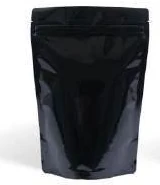
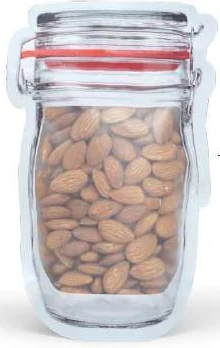
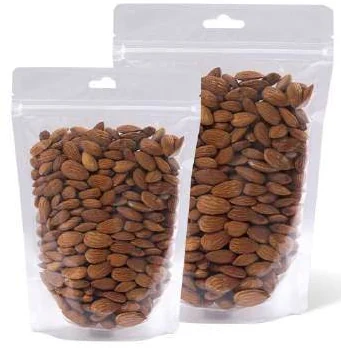
The catalogue includes window pouches and transparent stand-up pouches. These examples show different physical constructions; they are not interchangeable specifications. A window reveals part of the product while retaining an opaque area for artwork. Define its shape and location on the dieline, then check it at the intended fill level. An empty mockup can make a window appear better positioned than it is after the product settles.
| Format reference | Material or construction to clarify | Details to include in the brief |
|---|---|---|
| Window pouches | A transparent window combined with paper-look or opaque flexible panels; confirm the full structure and product requirements. | Window width, height and location; product visibility at full and low fill. |
| Transparent stand-up pouches | Transparent flexible film or laminate; optical clarity does not identify its barrier properties or complete composition. | Required clear viewing area; print coverage and opaque backing needs. |
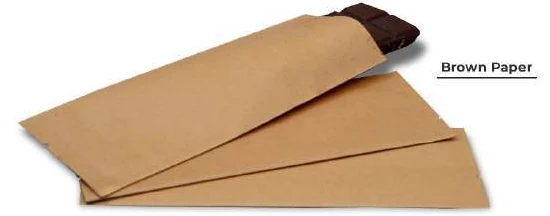
Use the reference pictures to identify the base, side panels, window or opening that you mean. A picture cannot supply the missing dimensions or material layers. If a photograph shows a finish or closure you do not want, state that difference explicitly; otherwise a visual reference can introduce an unintended requirement.
Complete the record before requesting the next sample
- Attach the altered cavity, artwork and carton requirements. Identify the product or SKU and the date of the observation.
- Record the product volume and new fill weight. Keep confirmed information separate from proposed values and questions for the supplier.
- Add the actual fill weight or volume, the dimension convention, material proposal and intended closure. Include the number of designs and quantity per design when requesting a quotation.
- State which question the next drawing, sample or quotation must resolve. A change of size, closure or material should remain visible alongside the earlier reference.
This record makes the next conversation specific. It lets the design, purchasing and packing teams work from the same proposed item and shows which decision still needs evidence. Review the related product pages for format details, or prepare a custom packaging brief with the unresolved requirements.
Release a matched product and pack reference
For an illustrative decision, the new product may fit the current pouch at the stated mass but leave less working space during filling. That calls for a filling and closure review even if the final photograph looks familiar. Record the actual condition and its acceptance owner.
Send Navkar Poly Print the product-to-pack change record, old and new representative samples and current pouch reference. Ask for a proposal only where the evidence indicates a packaging question. Keep technical material and storage suitability linked to the actual revised formulation and process.
Sources and scope.
These references support the technical discussion. Product photographs illustrate formats; the material, dimensions and suitability of the proposed pack are confirmed for each project.
- Ishida snack food packaging applications
Equipment manufacturer treats pack weight, damage and pack presentation as separate snack-line concerns.
- Ishida bread-snack handling
Fragile snack handling is an application-specific concern; no performance numbers transferred.
- Jha and Sharma: physical characterisation of popped gorgon nut
Conditioned milling study supports identifying sample condition and method; no commercial pouch-capacity or shelf-life values extrapolated.
Let’s discuss your product.
Share your contents, dimensions, filling method, quantity and delivery destination. We’ll work through the proposed packaging specification with you.
Create a packaging brief