A flat bottom dry fruit pouch may justify its extra cost when the filled base, panel layout and shelf presentation solve a real selling problem. A stand up pouch may be the better purchase when it already presents the product clearly and meets the required use and protection brief. Compare actual filled packs, equivalent quotations and product-specific storage evidence.
Define the dry fruit product precisely
Whole almonds, walnut halves, cashew pieces and a mixed assortment create different packing conditions. Record the exact product, processing or roasting, seasoning, size distribution and intended fill mass. For mixtures, include the components and the variation the buyer expects to receive.
Measure representative product volume rather than choosing dimensions from a nominal gram label. Product shape and settling affect how full the pouch looks and how the base supports it. Compare several representative fills so the design is not approved from one unusually tidy sample.
State the intended occasion: everyday snacking, family storage, premium gifting or a portion pack. A wider base or extra panel area may matter more in one occasion than another. Keep the target shelf, display tray and selling price visible in the first brief.
What the geometry can improve
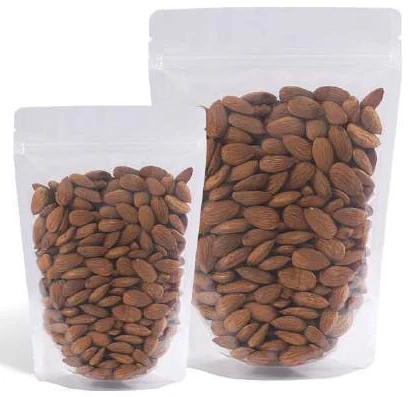
A flat bottom construction offers a defined base and a different panel arrangement from a conventional stand up pouch. The useful question is whether that geometry creates a better filled presentation for this product and fixture. Measure stability, footprint and readability rather than relying on the empty pack's appearance.
Check the pack after product settling and after part of the contents has been removed. A full prototype can stand attractively while a partly emptied pack behaves differently. If repeat use matters, include opening, product access and reclosure in the observation.
Mondi's stand-up pouch information provides primary format context. Use supplier drawings and filled prototypes for the actual comparison. A format description cannot establish another supplier's dimensions, stiffness, opening features or product compatibility.
What nut storage research can tell you
The 2018 study Effects of Storage Conditions on Consumer and Chemical Assessments of Raw Nonpareil Almonds Over a Two-Year Period evaluated raw almonds in unlined cartons and polypropylene bags across several temperatures and humidity conditions. Packaging and environment affected acceptance. It did not compare flat bottom and stand up pouches.
The study therefore supports controlling the complete structure and storage conditions in your evaluation. It does not provide an expiry date for roasted cashews, mixed dry fruit or a Navkar pouch. Geometry should not receive credit for a barrier result that was never tested.
Keep freshness requirements independent of appearance
Request the complete proposed structure, contact layer, closure and relevant barrier evidence with its measurement conditions. Ask the technical team which product changes determine acceptance and how the completed pack will be evaluated after the intended filling and distribution route.
The outer appearance can be identical while the constructions differ materially. Conversely, two different pouch shapes can use comparable barrier structures. Procurement should therefore compare structure and geometry in separate columns before judging the overall offer.
For a zipper pack, distinguish unopened shelf life from repeated household access. Closing the zipper does not automatically restore the original sealed environment. The intended use and storage study should address the actual consumer routine rather than making a broad fresh-for-longer promise from the feature alone.
Compare shelf productivity
Measure the available shelf width, depth and height. Record how many filled units fit, how many fronts remain visible and whether staff can replenish the display conveniently. A wider premium-looking pack may improve one facing while reducing the number of units that can be stocked.
Check the front panel at the distance shoppers actually see it. Brand, product type, grade or variant and quantity should remain clear. Extra side-panel space is useful only if it communicates something the buyer needs or helps manage mandatory information without crowding the front.
Repeat the review as a small ecommerce thumbnail. A broader face may support the image, but the product still needs a clear identity. Do not treat shelf preference and online click response as interchangeable outcomes; each channel needs its own observation.
Compare complete commercial scopes
| Question | What procurement should request |
|---|---|
| Container scope | Structure, finished dimensions, feature references and print scope for both candidates |
| Setup | Costs by design, size and change, including ownership and repeat-order treatment |
| Filling | Actual proposed route, closing scope and accepted output basis |
| Secondary packaging | Filled carton arrangement, count, dimensions and protection |
| Delivery | Same receiving location, quantity, timing basis and included charges |
Ask for the same product quantity and number of designs. A low price for a much larger purchase commitment is not directly equivalent to a flexible smaller order. Show unit economics and cash commitment separately so the commercial team can assess both.
Calculate the sales hurdle for the premium
Suppose an invented comparison gives a flat bottom format ₹1.20 more packaging cost per accepted pack than the stand up alternative. At 20,000 packs, the extra cost is ₹24,000. If an additional sale contributes ₹30 after other variable costs, recovering ₹24,000 requires 800 additional sales.
This is a simplified illustrative hurdle, not a forecast that the format will generate 800 sales. The calculation excludes any change in delivery, filling, returns, price or product cost. Add those effects when the project has evidence. If the selling price increases, test whether conversion and contribution remain acceptable.
The useful discussion is whether the base and panel improvements plausibly address a measured selling problem. If the existing stand up pack is hard to display, a prototype may justify a pilot. If it already works well, extra geometry needs a clearer commercial reason.
Separate attraction from actual sales
Start with a comprehension and presentation review using matched filled prototypes. Ask users to identify the product and explain the perceived value. Avoid introducing the words premium or better before they respond, because those labels can steer the result.
If the new format passes technical and use requirements, test it in a defined channel. Keep product, quantity, price, promotional support and availability comparable where practical. Record conversion, margin, complaints and repeat purchase rather than announcing a sales improvement from a preference survey.
Show uncertainty in the result. A small pilot can suggest a direction without establishing a stable uplift across all cities or customer groups. Procurement and B2B heads should know the exposure count, conditions and unresolved questions before approving a broader order.
Make the filled carton part of the decision
Compare actual units per carton and the resulting shipment dimensions and gross mass. A different base can change carton fit and stockroom use. Request a real lane quotation instead of calculating freight from empty-pack weight alone.
Inspect the product and pack after the agreed handling evaluation. Record punctures, deformation, closure problems and nut damage separately. Those outcomes help identify whether to change the primary structure, geometry, filling clearance or outer arrangement.
For a regional Indian launch, start with the real receiving points and expected order sizes. Assess Sri Lanka with a separate landed-cost scope and confirmed importer responsibilities. A successful nearby delivery does not establish every export route's economics.
Test the shelf arrangement rather than a single hero pack
Build a short representative shelf row with the intended neighbouring products and price labels. Observe whether the new geometry improves recognition across the row or only makes one isolated photograph look stronger. Measure refill access for staff as well as shopper visibility.
An illustrative trade-off is a wider front that improves label readability but reduces the number of visible flavours in the same fixture. That may still be worthwhile, yet the commercial team needs to choose deliberately. Compare the assortment the retailer can actually display.
Keep the fixture dimensions and filled samples in the approval record. A format approved for one shelf should not be assumed to fit every retail account. Regional expansion may require a different display arrangement without changing the underlying product-protection specification.
Dry-fruit flat-bottom comparison: a practical specification example
A brand is comparing two packaging concepts around one real application. Hold the product quantity and customer use constant, then list what changes with the container: filling, closing, opening, dispensing, display and shipment. A flexible alternative may offer a different shape or use pattern, but its material and closure still need their own project-specific review. Keep hypothetical cost examples separate from quotations.
For this decision, start with the filled footprint and panel area. The useful output is two filled samples with equal contents and clear dimensions. Put that output beside the relevant quotation, drawing or sample rather than leaving it in a separate email. This is an illustrative decision exercise, not a report of a completed customer trial.
Product references to make the discussion concrete
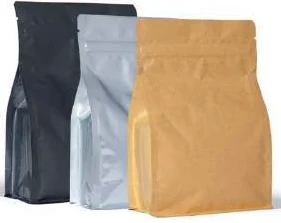
The catalogue includes flat-bottom pouches and spout pouches. These examples show different physical constructions; they are not interchangeable specifications. A box-style base gives the filled pack a distinct footprint, with separate front, back and side panels. Compare a plain top opening with a regular zipper, and use filled samples to decide the shelf depth and panel proportions.
| Format reference | Material or construction to clarify | Details to include in the brief |
|---|---|---|
| Flat-bottom pouches | Flexible laminate with paper-look or opaque outer options; the appearance alone does not identify the full layer structure. | Base width and full opened depth; net fill and product bulk. |
| Spout pouches | Flexible liquid-pack laminate with a fitted spout and cap; contact-layer and closure compatibility are reviewed for the formulation. | Fill volume and product viscosity; spout bore, position and cap. |
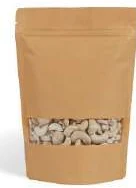
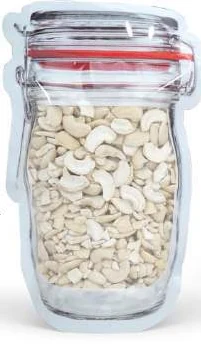
Use the reference pictures to identify the base, side panels, window or opening that you mean. A picture cannot supply the missing dimensions or material layers. If a photograph shows a finish or closure you do not want, state that difference explicitly; otherwise a visual reference can introduce an unintended requirement.
Complete the record before requesting the next sample
- Attach two filled samples with equal contents and clear dimensions. Identify the product or SKU and the date of the observation.
- Record the filled footprint and panel area. Keep confirmed information separate from proposed values and questions for the supplier.
- Add the actual fill weight or volume, the dimension convention, material proposal and intended closure. Include the number of designs and quantity per design when requesting a quotation.
- State which question the next drawing, sample or quotation must resolve. A change of size, closure or material should remain visible alongside the earlier reference.
This record makes the next conversation specific. It lets the design, purchasing and packing teams work from the same proposed item and shows which decision still needs evidence. Review the related product pages for format details, or prepare a custom packaging brief with the unresolved requirements.
Approve the value the buyer can see
Choose flat bottom when the filled geometry solves a documented display or use problem and the additional cost has a defensible business case. Choose stand up when it provides the required stability, protection and communication more efficiently for the project.
Send Navkar Poly Print the dry fruit product brief, target mass and volume, fixture dimensions, quantity by SKU and destination. Request comparable structures and filled prototypes. Preserve separate approvals for product protection, geometry, artwork and delivered economics so the format decision remains clear.
Sources and scope.
These references support the technical discussion. Product photographs illustrate formats; the material, dimensions and suitability of the proposed pack are confirmed for each project.
- Mondi's stand-up pouch information
Primary supplier or technical reference for the linked format or component question; no Navkar capability, test outcome or shelf-life claim is transferred.
- Effects of Storage Conditions on Consumer and Chemical Assessments of Raw Nonpareil Almonds Over a Two-Year Period
Separate protection and environment from geometry. No flat-bottom-versus-stand-up or window-design ranking; no Navkar expiry.
Let’s discuss your product.
Share your contents, dimensions, filling method, quantity and delivery destination. We’ll work through the proposed packaging specification with you.
Create a packaging brief