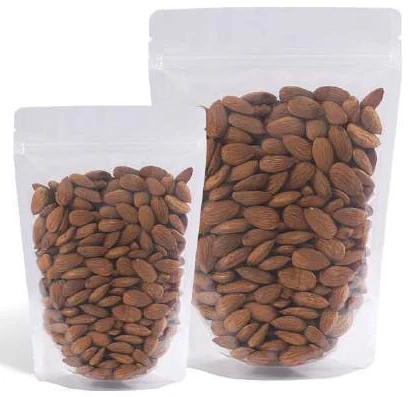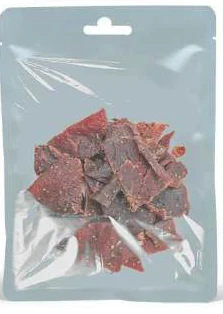
A makhana pouch is a useful candidate when the filled pack protects crunch and fits the required selling price and shelf position. A jar may be worthwhile when its rigidity, repeat-use experience or presentation justifies the complete delivered cost. Compare moisture protection and breakage using the actual roasted, seasoned product, not empty containers or a generic gram-capacity claim.
Start with the makhana that will be sold
Record roast condition, seasoning, added oil where relevant, piece-size range and target fill mass. Different batches can occupy different volumes at the same mass. Ask the filling team to measure representative bulk volume rather than selecting a pouch or jar from a photograph labelled with grams.
State whether the pack is for a single sitting, family sharing or gifting. A family pack may need a convenient reclosure, while a small pack can be consumed in one occasion. The buying task changes the useful comparison size and the importance of what happens after opening.
Keep formulation and processing information with the packaging brief. Changes to seasoning or oil can change the quality questions the technical team must investigate. A successful pack for plain roasted makhana does not automatically establish the same result for every flavoured version.
What the institutional material supports
NIFTEM's Makhana Packaging training material discusses product moisture, storage conditions and packaging options. It is useful background for organising the brief, rather than a controlled pouch-versus-jar trial. Its qualitative cost descriptions are not current supplier quotations.
The material also contains older regulatory references and some generic template wording. Use current project-specific technical and compliance review for those questions. The practical lesson retained here is to connect the chosen pack to moisture exposure, handling and storage, rather than assuming that a particular container shape guarantees crunch.
Compare the failure mechanisms
Loss of crisp texture and crushed pieces are different problems. Moisture protection involves the complete structure, closure, seal quality and exposure conditions. Mechanical protection involves filled geometry, headspace, outer-carton support and handling. Increasing one type of protection does not automatically solve the other.
A jar can offer a rigid wall, but the closure and product contact system still need qualification. A pouch can use a suitable barrier construction, but its flexible body and carton arrangement need handling evaluation. Request exact candidate references and assess the filled system.
Ask the product technologist to define acceptable quality measures before the trial. These might include a suitable texture assessment, product-specific sensory measures and breakage criteria. Food safety and processing controls require their own qualified assessment; a consumer's description of crunch is not sufficient evidence for every release decision.
Compare the same selling quantity
Prepare both candidates with the same target fill mass and representative piece distribution. Record actual filled dimensions rather than nominal empty dimensions alone. Inspect whether the presentation looks appropriately full and whether the product is compressed during filling or closing.
Review the available shelf space. A tall, narrow pack can appear substantial but fit poorly beneath a fixture. A wide base can stand well yet reduce the number of facings available. Measure the actual fixture and compare units per shelf alongside front-panel readability.
If a jar and pouch use different selling quantities, analyse that as a separate commercial decision. Otherwise a preference for the larger pack may reflect perceived value, while a preference for the smaller pack may reflect a lower ticket price. Format and quantity effects should remain distinguishable.
Build a useful comparison table
| Requirement | Pouch evidence to collect | Jar evidence to collect |
|---|---|---|
| Product fit | Filled expansion, seal clearance and settling | Filled height, closure clearance and settling |
| Crunch protection | Complete structure, closure and storage trial | Container, closure and storage trial |
| Breakage | Filled carton observations and piece condition | Filled carton observations and piece condition |
| Repeat use | Opening, reclosure and product access | Opening, lid replacement and product access |
| Retail presentation | Filled facing, stability and readable panel | Facing, label visibility and fixture fit |
Keep the test method beside the result. A pouch shaken by hand and a jar examined immediately after filling do not provide comparable handling evidence. Match the conditions so a procurement head can understand what the trial actually establishes.
Include all the costs of the pack
The pouch cost boundary includes printing, structure, any zipper or feature, conversion, filling, coding and outer protection. The jar boundary includes the container, lid, any liner or seal, decoration, filling and secondary protection. Confirm which operations are included in the quoted price.
Add setup by artwork, realistic quantity by flavour and transport to the receiving location. If one candidate requires a different filling partner, include movement between sites and release responsibilities. Show launch and repeat-order economics separately so first-order development spending remains visible.
Mespack's solution finder provides primary equipment context for reviewing product and format routes. Confirm the actual filler and proposed pack requirements with the responsible filling team. A machinery catalogue is not a claim about Navkar's installed line or the output of your product.
Calculate cost after saleability losses
Consider an invented packaging-only example. Candidate A has ₹75,000 of relevant packaging, conversion and delivery expense for a batch, with 9,600 packs accepted. Its cost is about ₹7.81 per accepted pack. Candidate B costs ₹82,000 with 9,900 accepted packs, or about ₹8.28 each.
These are illustrative arithmetic inputs, not pouch or jar quotations and not observed breakage rates. Add the value of product lost, disposal, replacement and returns before judging the full business result. A high-value snack can make a small change in damaged product commercially significant.
Repeat the calculation with the uncertain variable changed. If the lower-cost candidate needs additional outer protection, add its genuine material, assembly and freight effects. Do not assume that reducing primary pack weight necessarily lowers the cost of the actual filled shipment.
Design a freshness study with clear boundaries
Compare representative filled and closed packs from the intended process. Record product batch, structure, closure, storage conditions and assessment dates. The technical owner should choose suitable endpoints and a study design that can answer the actual shelf-life question.
For a family pack, add a separate opened-use observation relevant to the intended consumer routine. A zipper can help customers reclose a pouch, but it does not recreate the original unopened package automatically. A jar lid also needs evaluation after repeated use.
Do not publish an expiry extension because one sample still seems crisp at an intermediate check. The final claim must be supported by the complete product and safety evaluation under the intended conditions. Record failed or inconclusive outcomes as well as favourable ones.
Use appearance to improve understanding
Show the brand, flavour and product clearly at shelf distance and in a small online image. If using a transparent area or clear jar, review how the actual makhana looks after settling. Visibility can reveal product quality, but it can also reveal ordinary variation that the design needs to accommodate honestly.
Test whether shoppers identify the flavour quickly and understand the quantity and intended occasion. Avoid treating a premium-looking pack as automatic proof of higher willingness to pay. A pricing or sales conclusion needs a suitable consumer or commercial test with comparable availability and promotional support.
Define breakage before counting damaged packs
Agree what constitutes unacceptable makhana damage for the intended offer. A whole-piece retail product and a mixed preparation ingredient can have different acceptance needs. The product owner should define the relevant observation method and threshold before comparing candidates.
Record the condition of the incoming product as well as the condition after filling and distribution. Otherwise pre-existing broken pieces can be attributed incorrectly to the package. Compare representative samples using the same method and keep the observations tied to the product batch.
For commercial costing, distinguish a pack rejected entirely from a pack with a small appearance defect that remains acceptable. Apply the buyer's actual disposition and product value. Counting every imperfect piece as a lost retail unit can exaggerate the apparent advantage of additional protection.
Makhana pouch versus jar: a practical specification example
A brand is comparing two packaging concepts around one real application. Hold the product quantity and customer use constant, then list what changes with the container: filling, closing, opening, dispensing, display and shipment. A flexible alternative may offer a different shape or use pattern, but its material and closure still need their own project-specific review. Keep hypothetical cost examples separate from quotations.
For this decision, start with the product bulk and protection needs. The useful output is equal-fill samples compared for display and handling. Put that output beside the relevant quotation, drawing or sample rather than leaving it in a separate email. This is an illustrative decision exercise, not a report of a completed customer trial.
Product references to make the discussion concrete
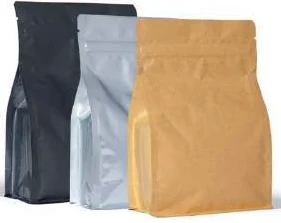
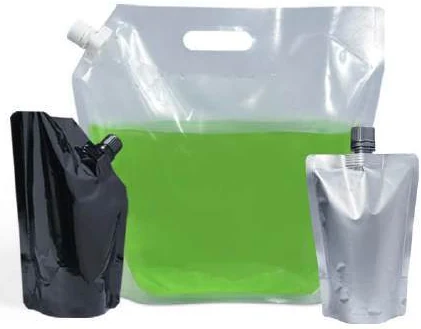
The catalogue includes spout pouches and flat-bottom pouches. These examples show different physical constructions; they are not interchangeable specifications. A fitted spout provides a controlled opening for dispensing. The reference range includes compact pouches and larger handled formats. Specify the product, fill volume, spout location and cap before developing the pouch shape; a corner spout and a top-centre spout require different layouts.
| Format reference | Material or construction to clarify | Details to include in the brief |
|---|---|---|
| Spout pouches | Flexible liquid-pack laminate with a fitted spout and cap; contact-layer and closure compatibility are reviewed for the formulation. | Fill volume and product viscosity; spout bore, position and cap. |
| Flat-bottom pouches | Flexible laminate with paper-look or opaque outer options; the appearance alone does not identify the full layer structure. | Base width and full opened depth; net fill and product bulk. |
Use the reference pictures to identify the base, side panels, window or opening that you mean. A picture cannot supply the missing dimensions or material layers. If a photograph shows a finish or closure you do not want, state that difference explicitly; otherwise a visual reference can introduce an unintended requirement.
Complete the record before requesting the next sample
- Attach equal-fill samples compared for display and handling. Identify the product or SKU and the date of the observation.
- Record the product bulk and protection needs. Keep confirmed information separate from proposed values and questions for the supplier.
- Add the actual fill weight or volume, the dimension convention, material proposal and intended closure. Include the number of designs and quantity per design when requesting a quotation.
- State which question the next drawing, sample or quotation must resolve. A change of size, closure or material should remain visible alongside the earlier reference.
This record makes the next conversation specific. It lets the design, purchasing and packing teams work from the same proposed item and shows which decision still needs evidence. Review the related product pages for format details, or prepare a custom packaging brief with the unresolved requirements.
Make the choice for the real channel
Prioritise a qualified pouch when its complete protection, filling economics and shelf presentation meet the brief. Prioritise a jar when the observed use, rigidity or gift presentation adds enough value to justify its full cost. Keep the decision specific to the product, size and route.
Send Navkar Poly Print the makhana product brief, target mass and measured volume, flavours, intended use and delivery destination. Request a candidate pouch specification and trial plan. Present the business case to procurement and B2B heads with separate conclusions for crunch, breakage, appearance and delivered economics.
Sources and scope.
These references support the technical discussion. Product photographs illustrate formats; the material, dimensions and suitability of the proposed pack are confirmed for each project.
- Makhana Packaging training material
Moisture, storage and handling brief. Not a controlled format trial; older regulatory/template material and qualitative cost claims are not adopted.
- Mespack's solution finder
Primary supplier or technical reference for the linked format or component question; no Navkar capability, test outcome or shelf-life claim is transferred.
Let’s discuss your product.
Share your contents, dimensions, filling method, quantity and delivery destination. We’ll work through the proposed packaging specification with you.
Create a packaging brief