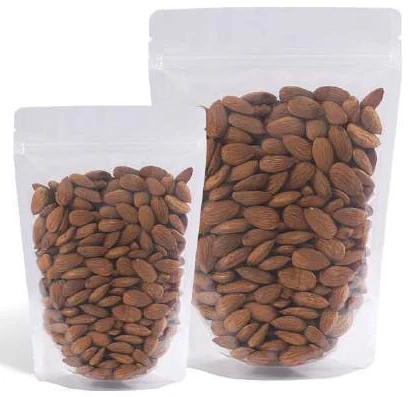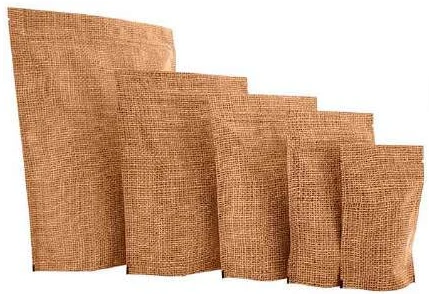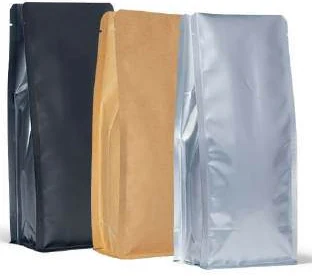
Add a zipper when repeated access is a defined customer need and the complete pack can support that use. A zipper is a reclosure feature; it does not replace the decision about the pack's original final seal. Compare a single-use pouch and a reclosable option by walking through filling, first opening and later use. This exposes whether the extra feature solves a real problem or simply adds complexity to an otherwise straightforward portion pack.
Write the expected use cycle
Describe how much product is used at a time, how it is removed and what happens to the remaining contents. Ask whether customers pour, scoop or remove individual pieces. A multi-use intention justifies reviewing a reclosure, but it does not establish that every zipper profile or position will be convenient. Conversely, a single-use pack may still need an opening feature that allows controlled access. Define the behaviour you want customers to perform before discussing feature names, visual styling or a standard size copied from another category.
Keep the two closures distinct
Ask the converter and filling team to show which closure protects the filled pack before first opening and which feature the customer operates afterwards. Mark the tear route, zipper and final seal on one drawing where applicable. Confirm which operation remains after filling and who approves it. A closed zipper on an empty sample is insufficient evidence for the filled pack's original closure. Do not claim that repeatedly closing a pouch restores the unopened pack's performance. Any product-related storage or use claims need their own evidence and responsible review.
Observe access and repeated handling
Use representative filled prototypes to observe whether the opening gives enough access for the intended action. Record whether product obstructs the reclosure area or whether a scoop catches on the opening. Ask users to demonstrate the action in an agreed review rather than answering only whether the pouch looks convenient. Separate usability observations from seal or compatibility testing. If the zipper position changes the available fill area, revise the fit review and artwork layout together so the feature does not consume space that another team assumed was available.
Create an opening-journey worksheet
Record each stage from receipt of the empty pouch to disposal after use. The worksheet below makes feature approval more specific than requesting a good-quality zipper.
| Record | What to capture and how to use it |
|---|---|
| Serving pattern | State the intended quantity used per opening and the access action. Use that description to compare a single-use pack with a reclosable option without inventing consumer behaviour or assuming every family-size pack is handled alike. |
| Original closure | Mark the final seal and the operation that completes it after filling. Name the technical approval owner and record the required evidence separately from whether users can open or close the zipper easily. |
| First opening | Show the proposed tear or opening route and what remains afterwards. Observe the action on filled samples, including access to the zipper, and record questions for the converter before the artwork layout is finalised. |
| Repeated access | Record pouring, scooping or piece removal and any product interference with reclosure. Use an agreed observation sequence so revisions can be compared fairly; do not turn a short usability exercise into a shelf-life claim. |
| Feature position | Record zipper, final seal, fill level and critical artwork positions on one drawing. Check the usable space after all features are included, then obtain agreement from both the packing and design owners. |
Retain a specimen showing the pouch after its first opening. It often communicates the actual access and remaining geometry more clearly than an unopened sample or a flat artwork file alone.
Illustrative portion pack and sharing pack
A brand sells the same dry product in an illustrative 25 g portion and a 400 g sharing pack. The portion is intended for one sitting, while the sharing pack is expected to be opened several times. The team reviews a simple opening route for the portion and a zipper option for the sharing size. It still qualifies each original closure and checks the sharing pack's scoop access. The larger size does not receive a generic freshness promise merely because a zipper has been added.
Mondi illustrates a pouch format. Mespack provides equipment-route context.
Observe the sequence without coaching it
Give the intended user a representative filled sample and the instructions proposed for the pack. Ask them to demonstrate opening, removing the intended portion and closing the remainder. Avoid showing the preferred hand position first, because that can conceal an unclear opening cue. Record the action that occurs, the point of difficulty and any instruction the observer had to provide.
An opening review can include the person who finds the tear feature difficult to see or grip. Fresh-Lock's ergonomic packaging discussion identifies grip and precise hand movements as usability considerations. It is manufacturer guidance, not a controlled outcome study or certification of a particular design. Use it to frame observations, then evaluate the actual pouch and intended use group.
Check what the first opening leaves behind
Keep the torn-off portion and the opened pouch together. Examine whether the resulting opening exposes the intended access point and whether the remaining edge interferes with pouring or scooping. Record where the opening travelled relative to the drawing. A prototype torn neatly by the designer does not represent every user's action, so avoid choosing only the best-looking specimen.
For a zipper candidate, inspect the distance between the first-opening edge and the reclosure. There must be a practical way for the user to reach and operate the feature, but this guide cannot supply a universal spacing. Ask the converter to propose the arrangement against the actual drawing and review it using filled samples. Carry the accepted geometry into artwork so an instruction arrow points to the real action.
Use a serving scenario to compare value
Suppose an illustrative 400 g pack is intended to supply eight 50 g portions. The arithmetic describes the planned use pattern: 400 divided by 50 equals eight. It does not prove eight days of storage or eight successful reclosures. The team can use the scenario to plan observations after successive removals, including how the partly empty pouch is held and stored.
Compare this with a single-use portion whose entire contents are removed at once. The portion may need a controlled tear and an adequate opening without needing a reclosure. The sharing pack may need both first-opening access and repeated closure. Record which actions justify the extra feature, keeping product storage claims under the product owner's separate evidence review. This prevents the larger pack's feature list from automatically being copied to every size.
Watch for product in the operating area
Use the real product condition where practicable. Fine particles, irregular pieces or an oily product can interact with the opening differently from a clean empty sample. Observe where residue remains after the intended access action and whether the user can complete the proposed reclosure. Describe the location and action instead of attributing every difficulty to the zipper itself.
If the user must wipe, tap or reshape the pouch, record that intervention. Decide whether the proposed instructions reasonably explain the action and whether the design can reduce the burden. A different feature position may improve access but reduce usable fill space. Review that trade-off with the filling and dimension owners before approving another prototype. No usability result alone establishes the reopened product's shelf life.
Retain an opening reference that can be compared
The useful reference set includes an unopened pouch, the opened specimen, its removed strip where relevant and a short sequence of photographs. Link each to the drawing and product quantity. Keep observer notes factual, such as “needed a second grip to locate the opening”, rather than turning a small exercise into a population-wide ease-of-use claim.
On a revised design, repeat the same task and compare the point that changed. If the opening route improves while scoop access becomes worse, retain both findings. The design decision then addresses the complete opening journey. It also gives customer-support and artwork teams a concrete basis for instructions without implying that a feature automatically guarantees convenience.
Zipper versus single-use: a practical specification example
A brand is choosing a dry-food pack before commissioning artwork. Compare the same product in two filled samples, using the same net weight and display space. The useful difference may be the usable opening, footprint or closing method rather than the empty pouch silhouette. A window or valve is another specification within a format, so it should not silently replace the original comparison.
For this decision, start with the expected number of uses after first opening. The useful output is a closing sequence that distinguishes the zipper from the top seal. Put that output beside the relevant quotation, drawing or sample rather than leaving it in a separate email. This is an illustrative decision exercise, not a report of a completed customer trial.
Product references to make the discussion concrete
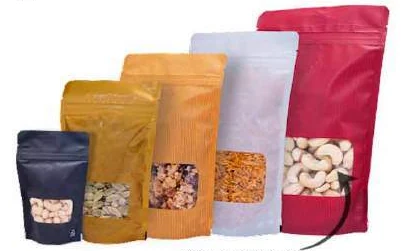
The catalogue includes flat-bottom pouches and window pouches. These examples show different physical constructions; they are not interchangeable specifications. A box-style base gives the filled pack a distinct footprint, with separate front, back and side panels. Compare a plain top opening with a regular zipper, and use filled samples to decide the shelf depth and panel proportions.
| Format reference | Material or construction to clarify | Details to include in the brief |
|---|---|---|
| Flat-bottom pouches | Flexible laminate with paper-look or opaque outer options; the appearance alone does not identify the full layer structure. | Base width and full opened depth; net fill and product bulk. |
| Window pouches | A transparent window combined with paper-look or opaque flexible panels; confirm the full structure and product requirements. | Window width, height and location; product visibility at full and low fill. |
Use the reference pictures to identify the base, side panels, window or opening that you mean. A picture cannot supply the missing dimensions or material layers. If a photograph shows a finish or closure you do not want, state that difference explicitly; otherwise a visual reference can introduce an unintended requirement.
Complete the record before requesting the next sample
- Attach a closing sequence that distinguishes the zipper from the top seal. Identify the product or SKU and the date of the observation.
- Record the expected number of uses after first opening. Keep confirmed information separate from proposed values and questions for the supplier.
- Add the actual fill weight or volume, the dimension convention, material proposal and intended closure. Include the number of designs and quantity per design when requesting a quotation.
- State which question the next drawing, sample or quotation must resolve. A change of size, closure or material should remain visible alongside the earlier reference.
This record makes the next conversation specific. It lets the design, purchasing and packing teams work from the same proposed item and shows which decision still needs evidence. Review the related product pages for format details, or prepare a custom packaging brief with the unresolved requirements.
Approve the complete access system
Choose a feature set after reviewing the filled geometry, the first opening and the intended repeated-use action. Record which observations support the decision and which product performance questions remain. If adding a zipper later, update the drawing, filling interface and artwork review rather than treating it as a cosmetic change. A useful brief explains the customer's action and the required original closure, enabling suppliers to propose a feature arrangement that can be examined concretely.
Send the completed opening-journey worksheet with your product and filling details to Navkar Poly Print for a project-specific discussion. Ask for the proposed specification, evidence required and open questions to be recorded before quotation approval.
Sources and scope.
These references support the technical discussion. Product photographs illustrate formats; the material, dimensions and suitability of the proposed pack are confirmed for each project.
- Mondi stand-up pouch
Primary format reference; does not establish the performance of another supplier's pack.
- Mespack solution finder
Equipment supplier distinguishes rollstock and premade-pouch routes; no Navkar equipment inference.
- Ergonomic Flexible Packaging
Manufacturer discussion of grip and precise hand movements; used to frame observations, not claim a tested accessibility outcome.
Let’s discuss your product.
Share your contents, dimensions, filling method, quantity and delivery destination. We’ll work through the proposed packaging specification with you.
Create a packaging brief