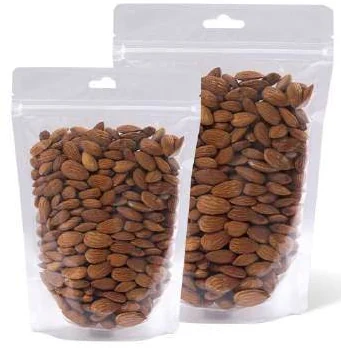
A zipper is a reclosure feature with a specific use task. Define the final production closure and first-opening path separately, then assess how all three work together on the actual pouch. Calling a pack “zip lock” does not describe its complete closing arrangement or demonstrate its performance with your product.
Draw the full closure sequence
Mark the delivered pouch condition, the open filling edge, the final closing region and the zipper. Show what the customer removes or separates on first opening. A simple side section is often clearer than a front image because it exposes the relationship between the features.
Ask who completes each stage. A converter supplies an identified component; the packing operation may complete a separate final closure. The buyer's technical team must review the actual arrangement. Do not assume that pressing a zipper shut completes every requirement for the unopened product pack.
Name the state before the customer receives it
Use separate terms for the supplier's empty component, the pack after filling and the pack after first opening. A zipper may be present in all three states while serving a different role in each. The drawing should show which edge remains available to the packing operation and which closing step completes the supplied product.
Record the final closure owner and the reference used for its acceptance. Purchasing does not need to invent a machine recipe. It needs to know that the actual proposed construction and process have a responsible review route. A successful hand-pressed zipper demonstration answers a narrower question.
For an illustrative dry-product project, an empty sample arrives with a zipper but an open filling edge. The buyer's packing team completes the agreed production closure. The customer later removes a designated region before using the zipper. Each step needs its own reference, and none should disappear under one ambiguous instruction to seal the pack.
Check that the artwork explains the intended first action. A user may treat a visible zipper as immediately accessible even when another opening step comes first. Align the physical sequence and approved cue before evaluating convenience, so confusion is not mistaken for a component-strength problem.
Identify the selected reclosure feature
Fresh-Lock's applications page distinguishes press-to-close zippers and slider systems. Specify the actual proposed feature or an agreed functional requirement, rather than using one generic symbol for every reclosure type. Confirm how it is positioned within the project drawing.
Describe what the user is expected to do after opening: pour, scoop, take individual pieces or transfer the contents. That task influences access and handling. A feature can operate on an empty sample while becoming awkward when the product occupies the region immediately below it.
State which evidence answers which question
ASTM F88/F88M-23 explicitly distinguishes sampled seal separation from complete-package user opening. That distinction matters when a supplier provides a force report. The report can support its defined seal question while leaving the zipper, grip and first-opening sequence to separate assessment.
Ask the technical owner to identify the proposed structure, sample stage and closing process represented by any report. Keep the method and acceptance requirement separate. A number without sample identity cannot tell the buyer whether the offered pack was assessed.
Use evidence categories in the closure record. One row addresses the final production closure, another the first-opening action and another repeated feature operation. Link the appropriate document or observation to each row. This prevents a positive result in one category from being copied across all three.
If a requirement remains open, describe the needed work precisely. It could be a complete received-state sample, a relevant technical assessment or an ordinary-use observation. A targeted request is more useful than asking for another unspecified sample and hoping it closes every question left in the project.
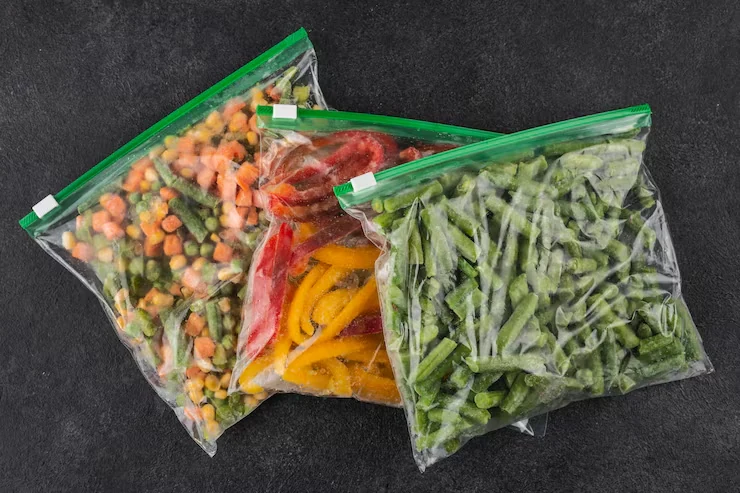
Use a three-event closure record
| Event | Required question | Evidence |
|---|---|---|
| Final packing closure | Can the intended process complete the specified closure? | Approved complete trial pack |
| First opening | Can the customer reach the product through the intended path? | Observed opening sequence |
| Reclosure | Can the selected feature be aligned and closed after ordinary use? | Repeated-use observation |
This original record prevents a successful reclosure demonstration from becoming an unsupported statement about the unopened pack. It also makes clear which reviewer owns each event. Technical closure assessment and customer convenience assessment may involve different people and evidence.
Observe first opening on the complete sample
Provide the sample in the state the buyer would receive. Let a reviewer follow the proposed opening cues without coaching. Record where the person grips, what separates and whether the resulting opening allows the intended product access. Do not assess only a pre-opened sample with the difficult step already removed.
An illustrative problem is a first-opening path that leaves too little film above the zipper for comfortable grip. That observation calls for a design review of the complete feature arrangement. It cannot be solved reliably by approving the zipper component alone.
Observe the opening that remains after the first action
Inspect what the customer has left to hold after the initial opening. Record edge shape, available grip and the selected zipper's accessibility. An easy tear can still leave an awkward reclosure task, so follow the sample through the sequence rather than stopping after the top strip separates.
Use the normal product-removal method. Whole pieces, powder and a scoop can interact with the opening differently. Describe what happened near the feature and identify the product condition. Do not conclude that every visible particle causes failure; ask the technical owner what consequence needs assessment.
Observe the full pack and relevant partly used condition separately. As contents leave, the body can present a different shape to the user's hands. Record alignment difficulty, changed grip or uncertainty about completion as distinct events. They suggest different design questions.
For an illustrative finding, reviewers can operate the zipper when the full body supports their grip but struggle after product removal. The next sample may need a review of geometry, access or the feature arrangement. Calling for a stronger zipper alone assumes a cause that the observation has not established.
Review reclosure under actual use
Use representative product and an agreed handling sequence. Record product caught near the feature, difficulty aligning the tracks and uncertainty about whether closure is complete. Keep observations factual; they are not a laboratory performance result unless assessed through a defined applicable method.
ProAmpac's StandPAK page describes a pouch combining heat-sealability, a reclosable zipper and tear notches. These are separately identified elements of that construction. Name the original closing region, reclosure and opening feature on your own project drawing, then ask the technical owner to review their relationship. The published example does not establish availability or suitability for your application.
Control closure changes as linked changes
List which features depend on one another. Moving a zipper can alter first-opening grip, product clearance and the available coding region. Reducing height can change the relationship between the production closure and opening path. Identify these dependencies before approving an apparently local amendment.
Ask the supplier to mark the change on the current drawing. Keep the old sample and the proposed sample separately identified. Review only the affected questions where earlier evidence remains applicable, with the responsible owner's reason recorded. This gives change control a practical scope.
Keep technical closure acceptance distinct from the brand's convenience wording. If the pack says reclosable, the selected feature and intended use should be clear. Broader wording about product protection needs its own evidence. The release file should identify exactly which statement and application were accepted.
Before a repeat order, reconcile the component reference, drawing, artwork and closing route. If all remain unchanged, record that confirmation. If any differ, use the three-event record to identify which part of the sequence needs renewed review, preserving the accepted evidence for the rest of the actual arrangement.
Check labels on retained references as well as the drawing. An unopened production-closure sample and an opened reclosure sample can look similar in a storage folder. Give each its state and purpose so a later reviewer does not use an altered item as evidence of the original received condition.
Zipper and heat seal: a practical specification example
A pouch feature can help one handling action while changing another. A hanging hole needs a header; a spout changes the opening and artwork area; a zipper needs a clear path for reclosure. Define the action the feature supports before adding it to the drawing. Review the whole pack with the product present instead of approving the component in isolation.
For this decision, start with the final top seal and repeated-use closure. The useful output is the opening sequence shown separately from reclosure. Put that output beside the relevant quotation, drawing or sample rather than leaving it in a separate email. This is an illustrative decision exercise, not a report of a completed customer trial.
Product references to make the discussion concrete
The catalogue includes spout pouches and hanging display pouches. These examples show different physical constructions; they are not interchangeable specifications. A fitted spout provides a controlled opening for dispensing. The reference range includes compact pouches and larger handled formats. Specify the product, fill volume, spout location and cap before developing the pouch shape; a corner spout and a top-centre spout require different layouts.
| Format reference | Material or construction to clarify | Details to include in the brief |
|---|---|---|
| Spout pouches | Flexible liquid-pack laminate with a fitted spout and cap; contact-layer and closure compatibility are reviewed for the formulation. | Fill volume and product viscosity; spout bore, position and cap. |
| Hanging display pouches | Clear or opaque flexible pouch construction with a punched hanging feature; final material and reinforcement are reviewed for the fill. | Retail hook and hole dimensions; filled weight and hanging orientation. |
Use the reference pictures to identify the base, side panels, window or opening that you mean. A picture cannot supply the missing dimensions or material layers. If a photograph shows a finish or closure you do not want, state that difference explicitly; otherwise a visual reference can introduce an unintended requirement.
Complete the record before requesting the next sample
- Attach the opening sequence shown separately from reclosure. Identify the product or SKU and the date of the observation.
- Record the final top seal and repeated-use closure. Keep confirmed information separate from proposed values and questions for the supplier.
- Add the actual fill weight or volume, the dimension convention, material proposal and intended closure. Include the number of designs and quantity per design when requesting a quotation.
- State which question the next drawing, sample or quotation must resolve. A change of size, closure or material should remain visible alongside the earlier reference.
This record makes the next conversation specific. It lets the design, purchasing and packing teams work from the same proposed item and shows which decision still needs evidence. Review the related product pages for format details, or prepare a custom packaging brief with the unresolved requirements.
Release the whole arrangement
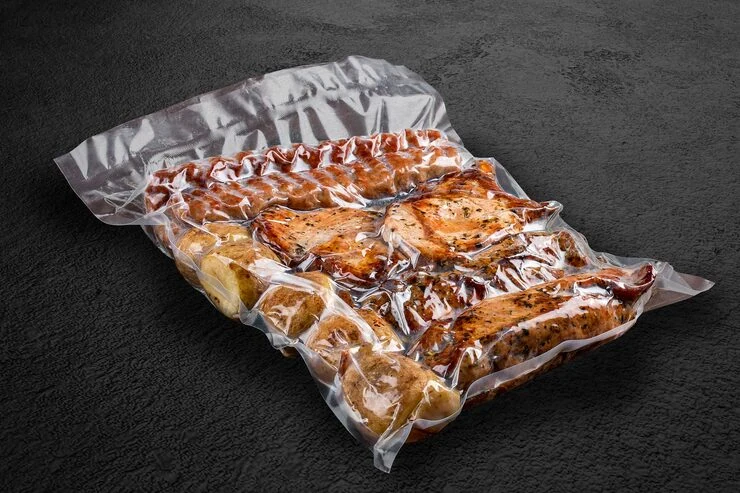
The purchase specification should link the zipper requirement, drawing position, final closure, opening sequence and approved sample. If any feature moves, ask which earlier observations must be repeated. Keep untested product forms or quantities outside the approval scope.
Send Navkar Poly Print the three-event record, product brief and intended packing route. Request a proposal that shows how the complete pouch will be filled, closed, first opened and reclosed before the design is released.
Sources and scope.
These references support the technical discussion. Product photographs illustrate formats; the material, dimensions and suitability of the proposed pack are confirmed for each project.
- Fresh-Lock flexible packaging closure applications
Differentiates press-to-close zippers and slider closure systems; not a performance claim for an unspecified pouch.
- ProAmpac: Kapak StandPAK
Manufacturer identifies heat-sealable construction, reclosable zipper and tear notches on one pouch; no grade, thickness, application or performance claim transferred.
- ASTM F88/F88M-23: seal strength
Public significance distinguishes a sampled separation-force measurement from whole-package user opening; evidence must match its stated question.
Let’s discuss your product.
Share your contents, dimensions, filling method, quantity and delivery destination. We’ll work through the proposed packaging specification with you.
Create a packaging brief