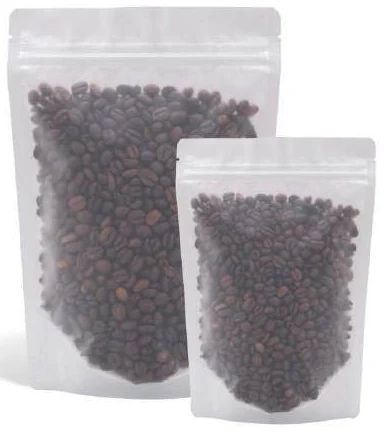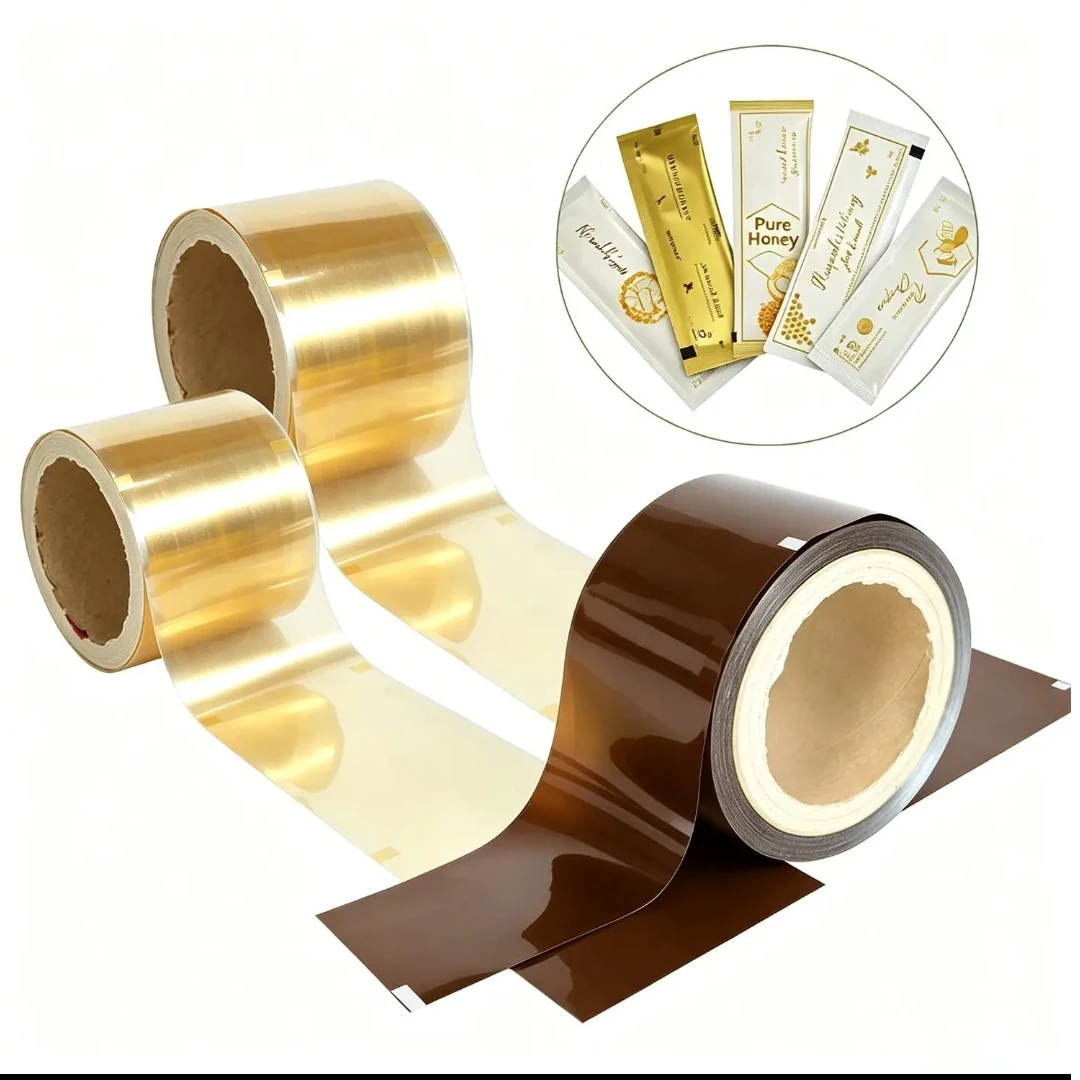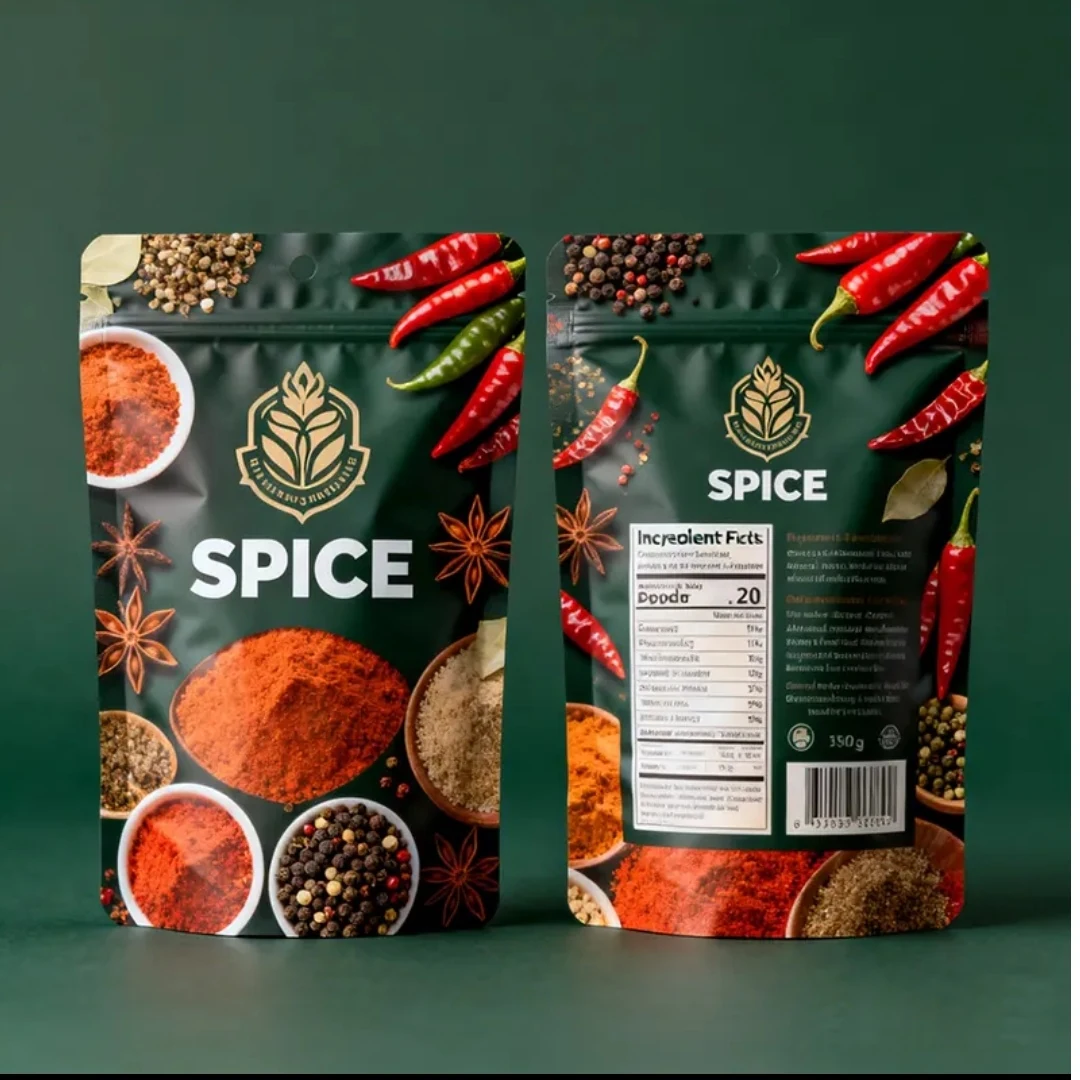
Turmeric packaging pouches for Nizamabad businesses need a clear description of the product form. Whole fingers, ground powder and blended masala are separate filling and use cases. Specify the format, usable opening, closing area, material proposal and artwork around the actual product before comparing an empty-pack price.
Nizamabad: the industry and buying context
Nizamabad district’s horticulture information includes turmeric in its crop context. This guide addresses the packaging decisions for a business selling whole turmeric or a ground spice product, rather than assuming that one pouch specification fits both.
Regional industry reference. The packaging requirements below are practical buying guidance; product images illustrate applications and formats.
Describe the turmeric product before naming the pouch
State whether the contents are whole turmeric, powder or a blend. Include the intended net quantity and whether the pack will be emptied at once or used for repeated portions. Those details help distinguish a small sachet from a larger resealable pouch or bulk supply.
For powder, describe the filling method and the space available above the fill. The brief should identify any product that can remain near the final closing band or zipper during packing. For whole fingers, discuss the shape of the contents, usable opening and the way the product sits against the pack.
Do not assume that the same external size will give the same product fit across whole and ground forms. Fill representative samples and record the result for each proposed SKU. Keep blends and single-ingredient products clearly identified in the sample record.
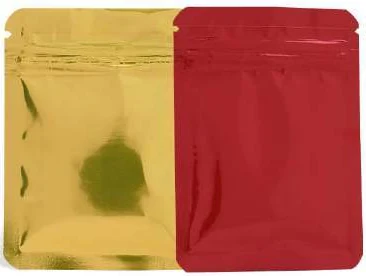
Choose between a flat pouch, zipper pouch and film roll
A three-side-seal pouch is a flat premade format with an agreed filling edge. A zipper pouch adds repeated-access requirements to the opening and top-seal layout. Printed rollstock is specified around a defined packing route, including width, print repeat and orientation.
Keep the format decision separate from the print preference. A larger artwork face may be attractive but can change the opening, filled shape and carton fit. Compare credible formats at the actual fill and use pattern rather than choosing by colour or a competitor photograph.
For a bulk requirement, prepare a separate sack and liner brief. The retail artwork and small-pouch closure requirements do not automatically apply to a larger supply pack. List the quantity unit used in each quotation so the commercial comparison remains clear.
Packaging formats to discuss
Use the product pages to identify the format you mean, then attach the dimensions and application requirements. A sample photograph shows a reference construction; the written brief defines the proposed order.
| Format | Construction or purpose to clarify | Information to include |
|---|---|---|
| Three-side seal pouches | Flat pouch with three presealed edges | Usable cavity, open filling edge and final seal band. |
| Zipper pouches | Resealable closure within a flexible pouch | Usable mouth, zipper position and final top seal. |
| Printed rollstock | Printed flexible film for a defined packing route | Web width, artwork repeat, orientation and reel requirements. |
| Woven sacks | Woven outer sack with an application-specific closing brief | Fill, construction, dimensions and liner needs. |
For artwork, ask for the drawing for the actual selected format before releasing final files. Keep the approved material, dimensions, opening and print revision on the same item record. A later change to one of those fields should be checked against the rest of the specification.
Keep powder away from the closing specification
Mark the final seal band, zipper position and tear feature on the drawing. Ask the packing team to review how the product enters and where the pack is held. A useful sample exercise observes the filled opening and closing sequence with the actual powder.
Record a visible issue at the point it occurs. If powder is found around the closing area, note the fill condition and handling sequence before changing the bag or attributing the result to a material. Agree what the next sample or trial must resolve.
For a repeated-use pack, check access and reclosure after normal dispensing. A zipper that works on an empty pouch still needs review with the intended contents. Keep the first closing seal and the later customer reclosure as distinct functions.
Review the proposed material and printed colour
Ask for the complete layer construction and total thickness, together with the product-contact and storage requirements to be reviewed. A yellow, metallic, clear or paper-look surface describes appearance; it does not establish a particular structure or shelf life.
Turmeric-coloured artwork should be reviewed with the proposed print surface and any white-ink treatment. Check small type, variant names and the contrast of the principal information at actual size. Keep a controlled proof for each artwork instead of relying on an enlarged screen view.
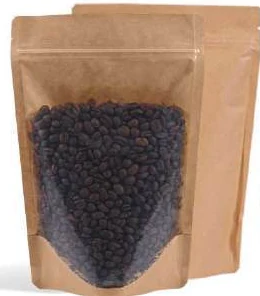
If a viewing window is proposed, define its position and purpose. The window should be assessed with the product in place and with the remaining area available for print. The visibility decision and material-performance discussion should both appear in the specification.
Build an order table for Nizamabad delivery
List every fill size, product form and artwork as its own item. Show quantities per design and identify any proposed common structure. This lets the supplier explain the quotation scope without treating the total number of units as one identical order.
Provide the intended packing location and the exact delivery postcode in Nizamabad. If a separate location will receive reels or premade pouches, state that separately. Ask for the approval dependencies, dispatch scope and freight to be clear in the quotation.
For a repeat order, use the approved drawing and artwork references. Revisit the sample when the product changes from whole fingers to powder, when the fill increases or when the closing route changes. Those changes can affect more than the printed quantity field.
Questions for a turmeric packaging enquiry
Can whole turmeric and powder share one pouch drawing?
Compare the actual filled forms first. A shared drawing can be discussed when it satisfies both products, but the mouth, cavity, filled shape and closing area need evidence for each use. Keep the product forms separate on the item table.
Is a zipper needed for every spice pack?
Relate the closure to the portion and use pattern. A single-use sachet and a household pack used repeatedly have different requirements. Specify the final top seal independently of the zipper.
What should be supplied with the artwork?
Include the current dieline, intended printed faces, product and fill variants, material brief, quantity per design and delivery destination. Our Hyderabad team can use that information to review a Nizamabad packaging enquiry without guessing the product form.
Prepare your Nizamabad packaging enquiry
Start a packaging brief for Nizamabad. The form will carry the proposed product, preferred format and delivery region into your enquiry; add your exact postcode and requirements before reviewing the brief. Share the quantity per design, intended fill, available drawing and artwork status. Our contact team is based in Hyderabad and confirms the proposed specification, availability, freight and lead time for each enquiry.
For further reading, use the related technical guides below or browse the regional packaging guides to explore another industry context. The best next step is the drawing, sample or quotation that resolves your own product's remaining question.
Sources and scope.
These references support the technical discussion. Product photographs illustrate formats; the material, dimensions and suitability of the proposed pack are confirmed for each project.
- Nizamabad district: horticulture
Primary regional industry context. Does not establish a Navkar branch, local stock or product performance.
Discuss packaging for Nizamabad.
Share your contents, dimensions, filling method, quantity and delivery destination. We’ll work through the proposed packaging specification with you.
Create a packaging brief