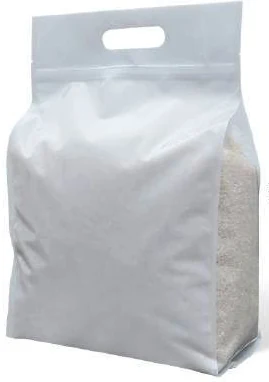
Turn a specialty pouch reference photograph into a construction and use brief before requesting a quote. The photograph explains visual intent; the specification must resolve contents, openings, seals, convenience features, dimensions and the evidence needed for the application.
Annotate what the photograph cannot confirm
Mark visible features and label uncertain ones as questions. A fold may resemble a gusset, a cord may be decorative or functional, and an unseen edge may be the supplied filling opening. Do not ask the converter to reproduce an unknown structure from appearance alone.
Use the actual contents and intended handling sequence to explain what the pack needs to do. Include whether products are individually packed and who owns any product-contact assessment. Keep presentation requirements separate from performance claims that need technical evidence.
Replace names with controlled references
SEE's three-side-seal example and Craftz's four-side-seal-with-gusset description show the value of construction-specific information. A specialty pack may combine several visible features, each requiring confirmation on one drawing.
Ask the converter to propose a feasible construction with dimensions and feature positions. Record which elements follow the reference and which are proposed alternatives. The buyer should approve the actual candidate, not an assumed identical copy of a photograph.
Match sample purpose to the decision
A visual mock-up can help compare silhouette and branding. A construction sample can answer other questions only within its identified scope. Ask what differs from the intended production pack and keep unresolved requirements visible before commercial commitment.
Make uncertainty visible before asking for a price
Annotate the reference image with numbered callouts. For each, record what is actually visible and what remains unknown. A line may be a seal, fold, printed graphic or lighting effect. A cord may close the pack or merely decorate it. Ask the converter to explain the proposed interpretation rather than reproducing a hidden assumption. This creates a useful technical conversation while allowing the photograph to retain its role as visual inspiration.
Record the image source and any rights or restrictions relevant to its use. A public product photograph is not automatically permission to reproduce a branded design or proprietary artwork. Supply original brand assets through the buyer's normal design process and ask for an original candidate construction. The procurement brief should explain the desired task and appearance without requiring an exact copy of features that have not been technically or commercially clarified.
Translate each visible feature into a requirement
Use three columns: visible observation, required function and question for review. For example, a shaped shoulder is visible; keeping a named information panel readable is a requirement; the usable panel area remains a drawing question. A hanging feature is visible; engaging a specified fixture is a function; the fixture geometry and technical assessment remain inputs. This prevents the team from turning visual resemblance into assumed performance.
Ask the product owner to describe the actual contents and intended handling sequence independently of the reference. Include inner packs, proposed fill condition, opening task and display setting. A reference from another application may not address those needs. The converter can then identify feasible alternatives and explain which part of the requested appearance each preserves. Give those alternatives candidate codes rather than mixing several possibilities into one ambiguous enquiry.
Request the minimum useful drawing set
Ask for the views needed to understand the proposed construction: flat outline, relevant expanded view, opening and feature details. Mark which details are proposals and which have been agreed. Record units and dimension conventions. A sketch can be preliminary while still being identifiable; it should not remain an undated image whose relationship to the sample is unclear. Later technical decisions can then refer to a specific candidate and revision.
For shaped concepts, Thomson describes custom contours and die development within its own product offering. Use that as evidence that shape is a construction-development question. It does not establish another supplier's tooling, material or application capability. Obtain a proposal for the actual project and assess the relevant functional interfaces before treating the silhouette as an agreed production design.
Evaluate alternatives by the same use task
Suppose an illustrative reference shows a narrow shaped top, a cord and a hanging feature. Candidate A preserves the silhouette but changes the opening; candidate B preserves the opening task with a simpler contour. Compare both against the same contents, loading and display brief. Record which requirement each candidate meets, leaves unresolved or changes. This is more useful than scoring resemblance alone and discovering later that the preferred candidate cannot support the intended packing route.
Ask the supplier to identify deviations in writing. Include accessory supply, assembly responsibility and the supplied pouch state. An attractive alternative may move work to the buyer, require a different insert or change the quotation basis. These consequences belong in the comparison. Keep commercial choices linked to the construction candidate so a lower price cannot silently replace the agreed use requirements with a visually similar pack.
Select samples that answer specific questions
Write a sample plan with purpose, construction identity, differences from intended production and decision owner. A visual model can support silhouette discussion. An identified construction sample may support a limited fit review. A printed filled candidate can help assess panel visibility. Product-contact, process and finished-pack requirements need the relevant evidence and competent assessment. Do not ask one early mock-up to close every decision simply because it is the only physical sample available.
Before reviewing a sample, compare it with the proposed drawing and record deviations. If its cord or opening differs, keep the affected questions open. Label photographs with the sample reference and condition so they do not later appear beside an incompatible drawing. Ask each reviewer to state what has been accepted and what remains outside the sample's scope. This preserves useful partial progress without creating an ambiguous overall approval.
Resolve the brief through a question log
Keep each unanswered feature question in a register with owner, requested information and decision reference. Close it using the accepted drawing, supplier clarification or appropriate evidence. Avoid relying on a verbal answer that the next reviewer cannot retrieve. If a proposal changes after quotation, identify the affected questions and reopen them deliberately. The original photograph can remain in the file as context, while the controlled candidate governs the actual order.
Separate the question log from the purchase specification. The former records how uncertainty was resolved; the latter states the agreed supply. This makes the final document easier to use and prevents old alternative descriptions being mistaken for current requirements. Retain rejected alternatives with their reasons in the development history, but clearly identify the active candidate and the evidence attached to it.
Produce a brief another buyer can use
The final enquiry should identify contents and use, construction candidate, opening, feature geometry, artwork scope, quantities and required evidence. State which details await converter confirmation. A later buyer should be able to request the same candidate without interpreting the photograph again. This is the useful outcome of a specialty-format specification: a clear route from visual intent to an identifiable proposed supply, with uncertainty assigned to the people able to resolve it.
Illustrative photo-to-brief exercise
Take a reference image showing a hanging, shaped gift pouch with a cord. Create three columns: visible fact, required function and question for the converter. The cord is visible; carrying the intended contents is a proposed function; the load and construction evidence remain questions. The shape is visible, while usable capacity remains unconfirmed until the contents envelope and drawing are reviewed. This exercise converts a vague request for "same as photo" into a useful enquiry, while allowing the supplier to explain feasible alternatives without silently changing the buyer's intended task.
A working record for this decision
Use this original worksheet with your product and supplier team. Give each row a named owner and evidence reference; a blank answer remains an open decision.
| Record | What to enter and why |
|---|---|
| Reference annotation | Identify visible features and distinguish observed facts from assumed construction details. |
| Contents and use | Describe real contents, inner packing, handling and display tasks for the proposed pouch. |
| Construction proposal | Request dimensions, seals, opening and feature positions on a controlled converter drawing. |
| Alternative register | Record deviations from the reference and the reason each proposed alternative deserves review. |
| Evidence plan | Assign appearance, fit, process and application questions to appropriate sample types and reviewers. |
Retail display: a practical specification example
A special retail profile must still provide a usable cavity and a practical opening. A hanging header, die-cut outline or carrying feature occupies material that cannot automatically be counted as product space. Start with a drawing of the actual product envelope, then place the feature and the artwork. Compare the filled pack on the intended fixture rather than judging only the flat silhouette.
For this decision, start with the fixture dimensions and facing. The useful output is the actual filled pack on the intended shelf or hook. Put that output beside the relevant quotation, drawing or sample rather than leaving it in a separate email. This is an illustrative decision exercise, not a report of a completed customer trial.
Product references to make the discussion concrete
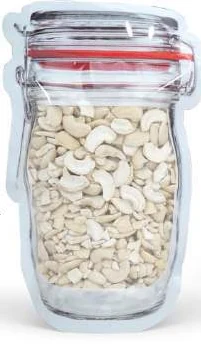
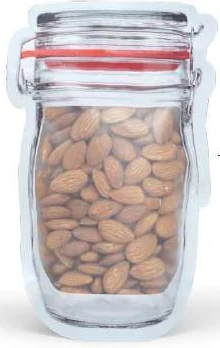
The catalogue includes jar-shaped zipper pouches and hanging display pouches. These examples show different physical constructions; they are not interchangeable specifications. A contoured outline gives the pouch a jar-like silhouette while retaining a flexible pack construction. The narrow shoulder and top opening affect filling and access. Review the usable cavity, zipper length and artwork boundaries on a dimensioned drawing before committing to the shape.
| Format reference | Material or construction to clarify | Details to include in the brief |
|---|---|---|
| Jar-shaped zipper pouches | Clear or frosted flexible pouch construction with a zipper; the jar shape is a profile, not a rigid container. | Usable cavity and narrowest opening; die-cut outline and corner radii. |
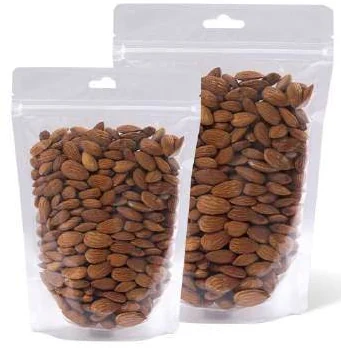
| Hanging display pouches | Clear or opaque flexible pouch construction with a punched hanging feature; final material and reinforcement are reviewed for the fill. | Retail hook and hole dimensions; filled weight and hanging orientation. |
Use the reference pictures to identify the base, side panels, window or opening that you mean. A picture cannot supply the missing dimensions or material layers. If a photograph shows a finish or closure you do not want, state that difference explicitly; otherwise a visual reference can introduce an unintended requirement.
Complete the record before requesting the next sample
- Attach the actual filled pack on the intended shelf or hook. Identify the product or SKU and the date of the observation.
- Record the fixture dimensions and facing. Keep confirmed information separate from proposed values and questions for the supplier.
- Add the actual fill weight or volume, the dimension convention, material proposal and intended closure. Include the number of designs and quantity per design when requesting a quotation.
- State which question the next drawing, sample or quotation must resolve. A change of size, closure or material should remain visible alongside the earlier reference.
This record makes the next conversation specific. It lets the design, purchasing and packing teams work from the same proposed item and shows which decision still needs evidence. Review the related product pages for format details, or prepare a custom packaging brief with the unresolved requirements.
Put the decision into practice
1. Annotate the reference. Separate visible intent from the details a photograph cannot establish.
2. Write the use brief. Provide contents and functional requirements so the converter can propose a meaningful construction.
3. Review the proposed drawing. Resolve alternatives and feature positions before treating the design as a quote basis.
4. Approve identified samples. Use clear sample purposes and maintain unresolved technical requirements through release.
Send Navkar Poly Print an annotated reference and contents brief to turn a specialty pouch idea into a reviewable construction proposal.
Sources and scope.
These references support the technical discussion. Product photographs illustrate formats; the material, dimensions and suitability of the proposed pack are confirmed for each project.
- SEE: Three Side Seal Pouches
Manufacturer format reference for a three-side sealed pouch; supplied features and suitability are not transferred to Navkar.
- Craftz: four-side seal pouches with gusset
Manufacturer format example demonstrates why drawings are needed to distinguish seal and gusset constructions.
- Thomson Printing & Packaging: Shaped Pouch
Manufacturer describes shaped contours and custom die development; no performance or equipment capability transferred to Navkar.
Let’s discuss your product.
Share your contents, dimensions, filling method, quantity and delivery destination. We’ll work through the proposed packaging specification with you.
Create a packaging brief