When seasoning or snack fines appear near a pouch seal, record where they enter the closing region before changing material or dimensions. The observation may involve product transfer, dosing, pack presentation or the closing sequence. A photograph of the final pack alone cannot identify the cause or establish closure performance.
Define the region being reviewed
Mark the final closing area on the approved drawing and identify the actual delivered pouch state. If a zipper is present, distinguish it from the production closure. Ask the packing and converter technical owners to agree the relevant observation points and assessment method.
Record the finished snack, seasoning version, quantity and packing route. Different flavours may produce different observed carryover, but do not assume that from the flavour name alone. Use representative samples and document what is actually seen. Keep machine operation under the packing team's authorised procedures.
Name the material and its exact position
Use a common map of the pouch mouth and intended closing region. Distinguish material on an external face, loose particles inside the pouch near the top, and product visibly trapped across the closing area. These observations may require different investigations, so avoid combining them under a single contamination label.
Identify what is visible without guessing its composition. A dark mark may be seasoning, another residue or a printing feature. Ask the responsible team to determine its identity where that matters. Retain the sample and photographs under the site's procedures rather than wiping away the only available evidence.
Ishida describes an X-ray system for inspecting food pinched in thin seals. That equipment-specific application illustrates a defined inspection question. It does not mean a photograph establishes seal integrity, that all trapped material is detectable, or that a converter supplies this equipment.
For the buyer's investigation, define the observation first: which region, which material where known, and which stage. The technical owner can then choose an appropriate examination or test. Selecting a test before describing the event risks producing a result that does not answer the actual concern.
Follow the event through the sequence
Observe the empty mouth, product entry, settling and readiness for final closure. Record when visible material first approaches the marked region. Note whether it is a large fragment, loose seasoning or fine broken product. This timing makes the next investigation more specific.
Ishida's snack applications distinguish product damage, weight and presentation concerns. Use a similarly separated record: visible fines may originate before the pouch is filled, and a target-weight result does not explain their source.
Capture the first known appearance
Arrange observation points around the real packing sequence. They might include the empty component, product entry, the period immediately before closing and the completed pack. Use only points that can be accessed under the site's authorised operating procedures. An investigation should not introduce unsafe intervention into moving machinery.
At each point record sample identity, time or sequence position and the observed location. Keep the material state comparable: a pack examined after shaking is different from one inspected immediately after filling. Describe any manipulation because it may move particles and change the apparent location.
An illustrative sequence could show a clean empty mouth, loose powder above the product after filling and a visible trapped particle after closure. This narrows the investigation towards events during filling and closing. It does not by itself distinguish product movement, transfer alignment or another process cause.
Where direct observation is unavailable, leave the interval open. A completed pack with trapped material establishes the final observation but cannot prove when the material arrived. Marking that uncertainty helps the team select a targeted follow-up rather than assigning responsibility from the last visible stage alone.
Use a stage-and-material log
| Stage | Visible material | Location | Next reviewer |
|---|---|---|---|
| Empty presentation | Record any unexpected material | Mouth or working region | Packing and incoming review |
| Product entry | Fragment, seasoning or dust | Relative to marked region | Packing process owner |
| Settling | Material retained on walls | Defined area | Packing and packaging |
| Before closure | Actual condition of working region | Photo reference | Technical closure owner |
| Complete pack | Appearance and linked assessment | Sample ID | Quality and product owners |
This original log records evidence without assigning an unsupported cause. A blank observation should be written as “not observed under this condition,” not as a guarantee that the event never occurs.
Record the basis for choosing samples sent for technical assessment. A deliberately selected visibly affected pack can help investigate a mechanism, while an ordinary sample serves another purpose. Label the selection clearly. Combining those groups without explanation could make an investigative finding appear to describe the frequency of the event across normal production.
Review consequence through the right evidence
Visible material near a seal is a reason for technical review. It is not, by itself, a measured leak result or proof that the pack is acceptable. The responsible team should determine which checks and acceptance criteria apply to the complete product and closure.
Do not prescribe online temperature, pressure or timing settings. The actual material, machine and product conditions need an authorised process assessment. If the team proposes a dimensional change, identify how it is expected to affect the observed event and what trial would confirm that expectation.
Connect observations to the right consequence
Classify the concern before judging it. Appearance, material in the intended sealing region and complete-package integrity are separate questions. A tidy exterior may coexist with an unresolved closure concern; a visible mark outside the closure may have no demonstrated connection to integrity. The technical review needs the actual sample and location.
Ask the accountable team which evidence would answer the consequence being considered. A sampled seal-strength result describes the tested specimen and method. A leak investigation answers another question. Product and shelf-life assessment require their own relevant conditions and criteria. Keep those conclusions in their own report fields.
An observation record can therefore have three columns: visible event, technical question and evidence reference. For example, a particle across the closing area leads to a closure assessment reference, while loose seasoning on an external surface leads to the relevant presentation or hygiene review. Do not prepopulate either field with a universal pass limit.
If material appears repeatedly, retain the sequence information rather than only the worst photograph. A pattern around a product-feed transition may be more informative than an isolated image. Investigation quality comes from linking the samples to events, not from collecting the largest possible photo folder.
Compare targeted changes
Where practical, compare a defined change while keeping product version, quantity and relevant trial conditions consistent. If several variables change, record a whole-process comparison rather than claiming one factor caused the improvement. Retain samples and photographs of the original issue.
Ishida's fragile-snack page identifies handling as an application concern. That supports looking upstream when broken product reaches the closure region, while leaving the actual cause and corrective action to the project's evidence.
Compare one proposed correction coherently
State the hypothesis and proposed change before the next run. A hypothesis might be that a particular transfer arrangement places loose material high in the mouth. The proposed comparison should identify the authorised adjustment and hold other practical inputs constant where possible. The operating owner must control the change.
Record the product reference, pouch drawing, run conditions available and observation method for both states. If the product or packing route also changes, report a comparison of complete conditions. Avoid presenting it as proof of one isolated cause.
An illustrative closure record may say that visible carryover was less frequent in the observed sample after an alignment adjustment, while complete-pack acceptance remains with the technical review. State the sample coverage and remaining uncertainty. A directional observation can justify further investigation without becoming a quantified production claim.
Keep the original sample, changed-condition samples and decision rationale linked to the same investigation ID. Procurement should receive the resulting component requirement only after the relevant owner has approved it. Otherwise an exploratory process change can accidentally become a new pouch specification without anyone deciding that it should.
Snack barrier brief: a practical specification example
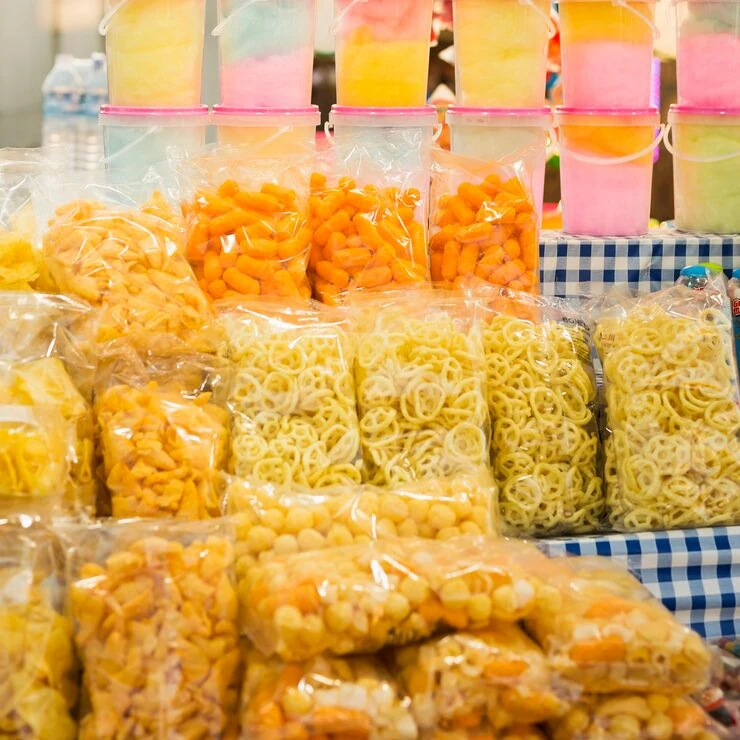
A snack brand is comparing an upright pouch with a flexible pack supplied from rollstock. Use the actual snack, since bulky pieces can settle or break differently from a powder or grain. Record the filled volume, the amount of clear closing space and the retail presentation. A resealable format also needs to be checked after part of the product has been consumed.
For this decision, start with the product and storage requirements. The useful output is the proposed structure recorded separately from pack appearance. Put that output beside the relevant quotation, drawing or sample rather than leaving it in a separate email. This is an illustrative decision exercise, not a report of a completed customer trial.
Product references to make the discussion concrete
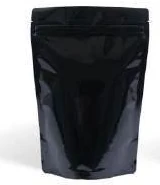
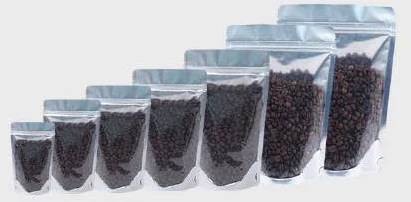
The catalogue includes window pouches and transparent stand-up pouches. These examples show different physical constructions; they are not interchangeable specifications. A window reveals part of the product while retaining an opaque area for artwork. Define its shape and location on the dieline, then check it at the intended fill level. An empty mockup can make a window appear better positioned than it is after the product settles.
| Format reference | Material or construction to clarify | Details to include in the brief |
|---|---|---|
| Window pouches | A transparent window combined with paper-look or opaque flexible panels; confirm the full structure and product requirements. | Window width, height and location; product visibility at full and low fill. |
| Transparent stand-up pouches | Transparent flexible film or laminate; optical clarity does not identify its barrier properties or complete composition. | Required clear viewing area; print coverage and opaque backing needs. |
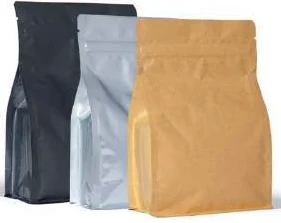
Use the reference pictures to identify the base, side panels, window or opening that you mean. A picture cannot supply the missing dimensions or material layers. If a photograph shows a finish or closure you do not want, state that difference explicitly; otherwise a visual reference can introduce an unintended requirement.
Complete the record before requesting the next sample
- Attach the proposed structure recorded separately from pack appearance. Identify the product or SKU and the date of the observation.
- Record the product and storage requirements. Keep confirmed information separate from proposed values and questions for the supplier.
- Add the actual fill weight or volume, the dimension convention, material proposal and intended closure. Include the number of designs and quantity per design when requesting a quotation.
- State which question the next drawing, sample or quotation must resolve. A change of size, closure or material should remain visible alongside the earlier reference.
This record makes the next conversation specific. It lets the design, purchasing and packing teams work from the same proposed item and shows which decision still needs evidence. Review the related product pages for format details, or prepare a custom packaging brief with the unresolved requirements.
Close the investigation with a controlled reference
State the observed condition, the reviewed consequence, the action taken and the evidence used to accept it. Update affected drawing or process records through the responsible owners. Keep any untested flavour or product form outside the conclusion.
Send Navkar Poly Print the stage-and-material log, product brief, marked drawing and relevant trial samples. Request a joint review of the observed interface so a new pouch proposal responds to a defined event rather than an unexplained request for a “better seal.”
Sources and scope.
These references support the technical discussion. Product photographs illustrate formats; the material, dimensions and suitability of the proposed pack are confirmed for each project.
- Ishida snack food packaging applications
Equipment manufacturer treats pack weight, damage and pack presentation as separate snack-line concerns.
- Ishida bread-snack handling
Fragile snack handling is an application-specific concern; no performance numbers transferred.
- Ishida X-Ray Inspection for Products in Seal
Manufacturer describes a specific product-in-seal inspection application; does not demonstrate leak integrity or Navkar equipment.
Let’s discuss your product.
Share your contents, dimensions, filling method, quantity and delivery destination. We’ll work through the proposed packaging specification with you.
Create a packaging brief