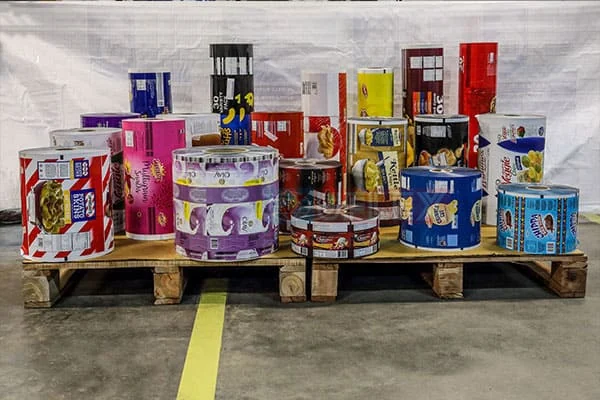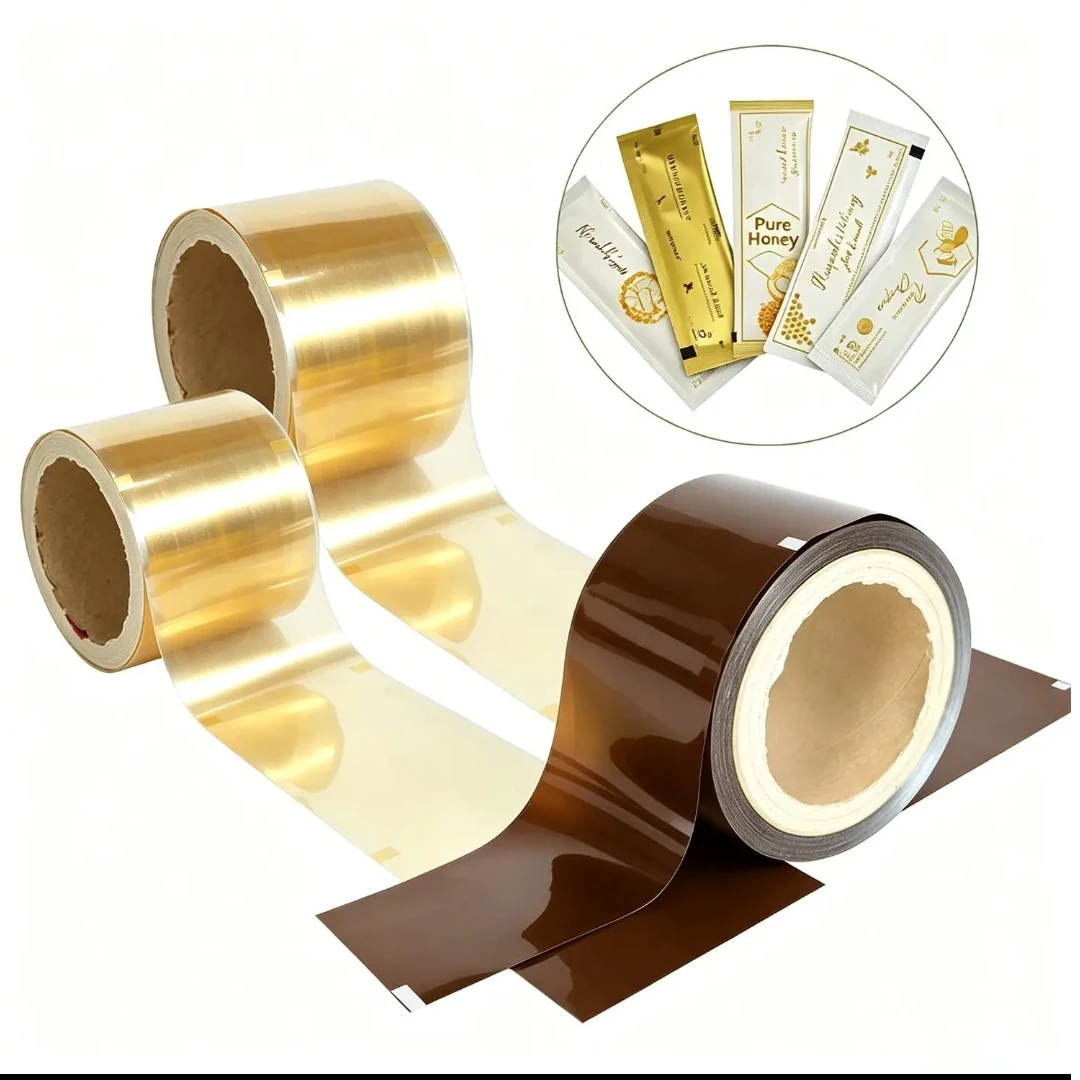
Release printed packaging against one accepted baseline containing the artwork, construction, geometry and supply requirements that apply to the order. A final email attachment is insufficient if different teams still hold different revisions. Build a short release index that points to the approved records and makes unresolved conditions visible. The goal is a production reference that someone outside the original conversation can understand.
Reconcile the references before release
Collect the current artwork, structural drawing, material specification and relevant roll or component requirements. Check that each file describes the same item and intended size. Look for late changes such as a revised opening feature, shifted code area or new repeat. Ask the owners to resolve mismatches before issuing the clean reference. Do not rely on filenames containing final or approved without the actual decision record. A baseline should identify the version and what it represents, rather than leaving the supplier to choose among similarly named attachments.
Review approval coverage and open questions
Check that the required content, visual, technical and filling subjects have their respective decisions. An accepted proof may cover only layout, while a trial may cover one product or machine condition. Record those limits in the index. If a condition must remain open, name the owner, evidence required and effect on release. Avoid turning a purchasing deadline into an unsupported technical acceptance. Independent tasks can continue, but a dependent operation needs the approval established by the responsible project process.

Make order changes visible
After release, route proposed changes through the document owner. Compare the change with the accepted baseline and identify affected approvals. Issue a clean revised index when the change is accepted and communicate the superseded status of older references. Ask the supplier to acknowledge the applicable revision in its order acceptance. This is particularly useful for repeat orders, where staff may otherwise assume the previous job can be reproduced even though a code, ingredient statement, construction or packing route has changed.
Use a production-release index
The index is a concise cover record. It should link evidence rather than duplicate every technical specification, making it easier to maintain one current reference when the project changes.
| Record | What to capture and how to use it |
|---|---|
| Item and order scope | Record SKU, size, supply form and the relevant order or enquiry. State which variants are included so an approval for one design or fill size cannot be applied to a wider family without review. |
| Controlled files | List artwork, drawing, material and roll or component references with revisions. Check their consistency before release, and make the supplier-facing package contain the accepted files rather than a folder of unresolved working versions. |
| Approval coverage | Link each required subject to its decision owner and evidence. Record scope limits explicitly so a layout signoff, geometry sample or narrow trial is not interpreted as approval of every finished-package requirement. |
| Open conditions | State the unresolved question, owner and required next evidence. Identify the operation affected by that condition, making it possible to continue independent work without silently authorising a dependent operation that still lacks approval. |
| Acknowledgement and changes | Record the supplier's applicable revision acknowledgement and the process for proposed changes. Preserve the old baseline and issue a clean update after acceptance so future orders can retrieve the actual production reference. |
Keep the index short enough to use during an order discussion. Its value comes from accurate links and clear status, not the number of signatures or the length of a ceremonial release document.
Illustrative late code-area change
After artwork approval, a packing team requests a different code area. The document owner compares the request with the released layout and asks the affected artwork and line owners to review it. The revised file receives a new reference and the supplier acknowledges the updated index. The team does not assume that moving a blank area is harmless or reopen unrelated requirements automatically. The example shows a controlled dependency decision tied to the actual change.
Esko provides prepress handover context. IoPP/SPMC offers a specification framework.
Define the released item in one place
The production baseline should identify the item, order scope and current versions of the documents that govern it. A size, artwork nickname or sample photograph alone is insufficient. Include the drawing, artwork, construction and relevant components, then connect the accepted evidence to those versions. The purpose is to tell the production team exactly which combination is released.
Distinguish this final baseline from an early geometry decision. A geometry freeze allows detailed work to proceed against an agreed outline. Production release asks whether the complete proposed item has the necessary accepted files and evidence for the stated order stage. Keeping these decisions separate prevents an early design agreement from silently becoming authority to manufacture an incompletely reviewed package.
Check coverage rather than collecting signatures
Use a concise index so the accepted references can be found quickly. Administrative volume should not obscure a missing relationship between the item and its evidence.
List the required subjects and the accepted evidence for each. Content, geometry, appearance, supply configuration and application questions may have different reviewers. A signature is useful when the subject and reference are clear. Several signatures beside an unspecified sample can still leave a gap in the actual evidence coverage.
Ask whether every acceptance refers to the current version. If artwork changed after a proof approval, determine which subjects need another review. A minor text correction may leave some technical evidence applicable, while moving a feature can affect several interfaces. Record that judgement rather than either restarting every assessment automatically or assuming the earlier approval remains unrestricted.
Resolve a conflicting reference before release
Consider an illustrative file set containing drawing D4, artwork A7 prepared on D3 and a sample labelled D4 without its feature revision. The individual documents may each appear complete, but their relationships are unclear. The release coordinator should identify which geometry is intended, reconcile the artwork and clarify the sample identity before the combination is accepted.
Do not solve the conflict by choosing whichever attachment arrived last. Ask the owners to issue an explicit accepted set and withdraw the obsolete references through the project procedure. Retain a short record of the resolution so purchasing, production and future repeat orders can follow it. The baseline should reduce ambiguity rather than simply accumulate documents.
State the disposition of an open condition
Record who can close the condition and where its final evidence will be retained for the receiving team.
Some projects reach a decision with a condition that limits the released scope. State the condition, responsible owner and the consequence for the proposed activity. If the missing evidence prevents the required technical decision, keep that activity unresolved. A commercial urgency does not itself supply the absent evidence.
Where a limited release is appropriate under the organisation's procedure, identify exactly what is authorised and what remains gated. A prototype activity, a material assessment and a commercial production order are different scopes. The record must let the recipient distinguish them without relying on the tone of an email. Avoid using an informal “go ahead” to cover several stages with different requirements.
Confirm acknowledgement at the receiving interfaces
Send the accepted set through the agreed project channel and obtain the relevant acknowledgement. The recipient should be able to locate the controlling files and identify the next operation. For a supplier-to-filler handover, include the item identity and required receiving references. For internal work, make the current version clear where production information is accessed.
After release, route any proposed change back through the affected owners. Record the changed subject and reassess the relevant evidence before replacing the baseline. This preserves a useful distinction between an approved item and a similar-looking revision. The final release dossier should be concise enough to use, but complete enough that a new colleague can identify what was authorised, why the evidence applies and which conditions govern the stated production scope.
First-sample review: a practical specification example
A printed pouch is approved visually and then changes during conversion. Treat the artwork, film construction and finished geometry as separate records with shared revision references. Printed colour alone cannot show whether a seal width or usable cavity has changed. Compare a finished sample with the drawing and identify which observations concern print and which concern pack construction.
For this decision, start with the sample identity and the approval scope. The useful output is separate observations for artwork, geometry and closure. Put that output beside the relevant quotation, drawing or sample rather than leaving it in a separate email. This is an illustrative decision exercise, not a report of a completed customer trial.
Product references to make the discussion concrete
The catalogue includes flat-bottom pouches and foil-look stand-up pouches. These examples show different physical constructions; they are not interchangeable specifications. A box-style base gives the filled pack a distinct footprint, with separate front, back and side panels. Compare a plain top opening with a regular zipper, and use filled samples to decide the shelf depth and panel proportions.
| Format reference | Material or construction to clarify | Details to include in the brief |
|---|---|---|
| Flat-bottom pouches | Flexible laminate with paper-look or opaque outer options; the appearance alone does not identify the full layer structure. | Base width and full opened depth; net fill and product bulk. |
| Foil-look stand-up pouches | Opaque or metallic flexible laminate; foil and metallised constructions must be distinguished in the written specification. | Foil versus metallised requirement; outer finish and print coverage. |
Use the reference pictures to identify the base, side panels, window or opening that you mean. A picture cannot supply the missing dimensions or material layers. If a photograph shows a finish or closure you do not want, state that difference explicitly; otherwise a visual reference can introduce an unintended requirement.
Complete the record before requesting the next sample
- Attach separate observations for artwork, geometry and closure. Identify the product or SKU and the date of the observation.
- Record the sample identity and the approval scope. Keep confirmed information separate from proposed values and questions for the supplier.
- Add the actual fill weight or volume, the dimension convention, material proposal and intended closure. Include the number of designs and quantity per design when requesting a quotation.
- State which question the next drawing, sample or quotation must resolve. A change of size, closure or material should remain visible alongside the earlier reference.
This record makes the next conversation specific. It lets the design, purchasing and packing teams work from the same proposed item and shows which decision still needs evidence. Review the related product pages for format details, or prepare a custom packaging brief with the unresolved requirements.
Issue a clear manufacturing reference
Send the accepted index and referenced files through the agreed project channel. Ask suppliers to identify assumptions or deviations before manufacturing. Use the same index for incoming review and repeat-order discussion. When a question later arises, the team can retrieve the agreed baseline instead of debating which final attachment was intended.
Send the completed production-release index with your product and filling details to Navkar Poly Print for a project-specific discussion. Ask for the proposed specification, evidence required and open questions to be recorded before quotation approval.
Sources and scope.
These references support the technical discussion. Product photographs illustrate formats; the material, dimensions and suitability of the proposed pack are confirmed for each project.
- Esko packaging prepress process
Primary prepress-software supplier reference; workflow recommendations here are original buyer tools.
- IoPP/SPMC guide to writing rollstock specifications
Institute-hosted specification guide; medical-package context requires application-specific interpretation.
Let’s discuss your product.
Share your contents, dimensions, filling method, quantity and delivery destination. We’ll work through the proposed packaging specification with you.
Create a packaging brief