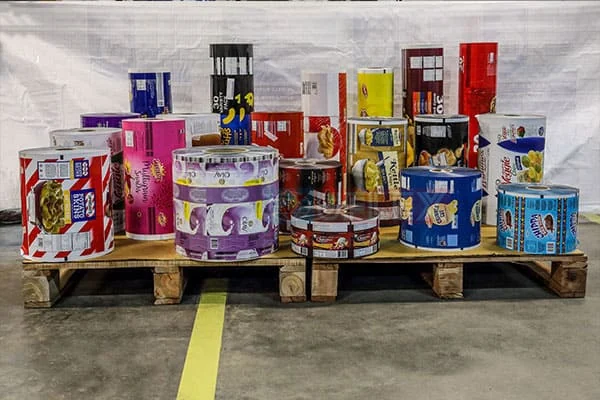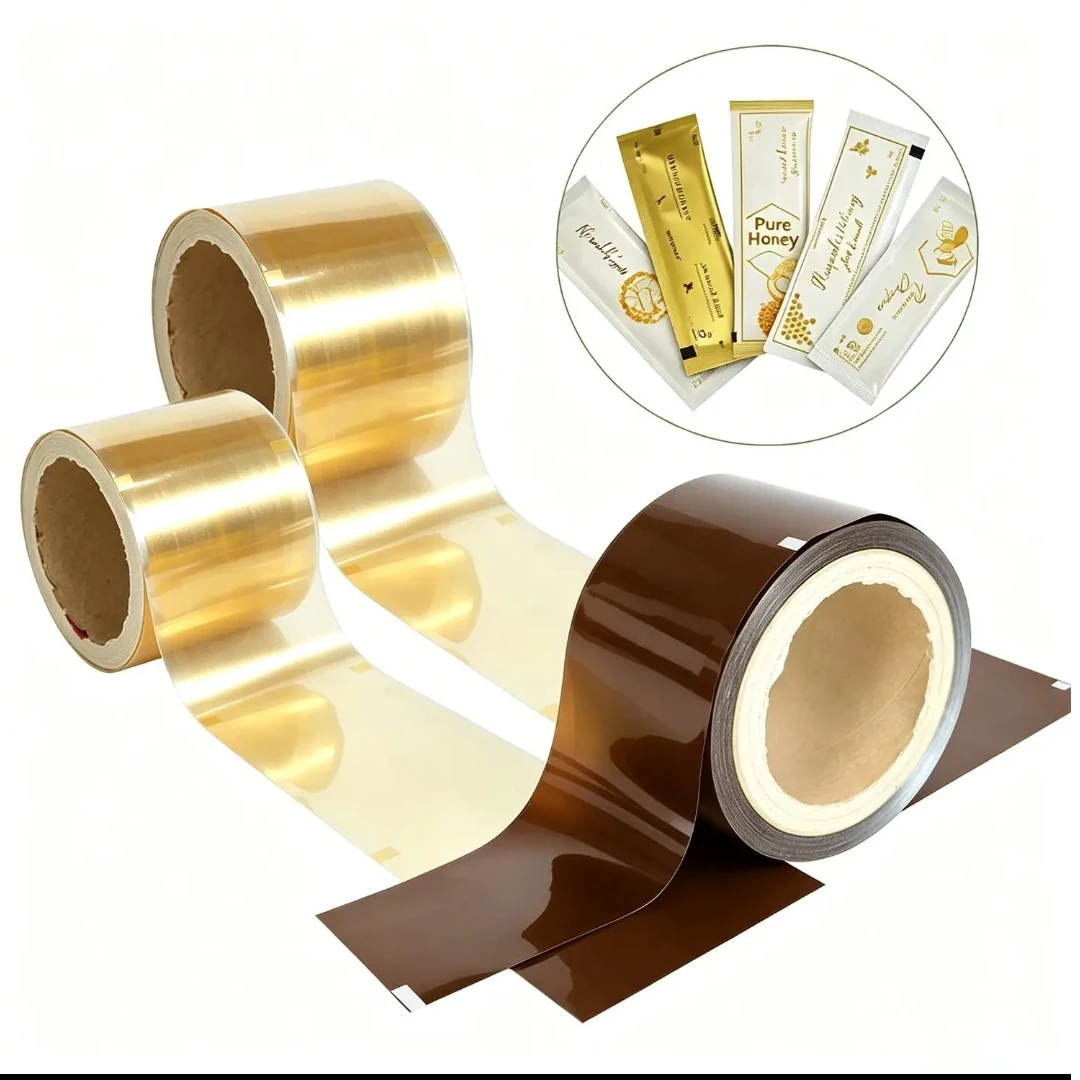
Choose a proof or sample according to the question you need to answer. A digital layout can support a content review, while other questions require representative physical evidence. The name sample does not establish how it was made or what it represents. Ask for the differences from the intended production pack and record exactly what is being approved before the project moves to the next gate.
Ask what the evidence represents
For each proof or specimen, record how it relates to the proposed artwork, construction, size and process. An existing sample may illustrate geometry or general workmanship but may carry another product’s design or material. A digital view may show placement without demonstrating the final substrate and finish. Avoid dismissing these tools because they have limits; instead, use them for the questions they can answer. The problem arises when the evidence is given a broader approval role than the project has established.
Define the visual decision
List whether the review covers spelling, panel assignment, graphic placement, brand colour, fine detail or final appearance. Ask the supplier what kind of proof or sample is available for those subjects and what differences remain. The artwork owner and print specialist should agree the relevant reference and review conditions. A monitor image or office printout should not be described as an exact final-colour guarantee without a defined proofing basis. Preserve the accepted reference so a later dispute can compare the same evidence rather than several differently displayed copies.

Keep technical pack questions on their own path
A printed sample can be useful without proving product compatibility, final seal performance or storage duration. Identify which material and filling evidence is still needed. If a sample is made in the intended construction, record that fact with its item and batch identity, not merely by calling it final. When a revision occurs after the sample review, assess which accepted subjects are affected. A text correction may require content approval, while a material or finish change may require another appearance or technical review as well.
Use an evidence-scope card
Complete one card for each proof or sample used in a decision. The card should make it possible for a later reviewer to understand why that evidence was sufficient for the specific approval given.
| Record | What to capture and how to use it |
|---|---|
| Evidence identity | Record proof or sample reference, date and source. Link the artwork, drawing and material revisions it represents so an unlabelled sample or renamed PDF cannot become an unreliable baseline for the production decision. |
| Represented subjects | State which content, geometry or appearance questions the evidence can address. Ask the supplier to identify its intended scope, then align that scope with the buyer's actual question before requesting a broad approval. |
| Known differences | List changes from intended production in size, construction, printing, finish or route. Keep these differences visible so a useful reference does not become a claim that the final package has already been demonstrated. |
| Accepted decision | Record the exact subject, owner and accepted revision. Include conditions or exclusions in the same decision record, avoiding a general approved stamp that later readers might interpret beyond the evidence reviewed. |
| Remaining evidence | List technical, filling or visual questions requiring another reference. Give each a responsible owner and next action so the project can progress while preserving the limits of the current sample decision. |
Retain rejected and superseded evidence where the project system requires it, but mark its status clearly. A convenient old sample should not be retrieved later and mistaken for the current accepted reference.
Illustrative content approval with a physical gap
A buyer checks product text and barcode position on a digital proof. The proposed final finish has not yet been represented physically, so the approval record accepts content and placement while leaving appearance evidence open. The team requests the appropriate next reference rather than pretending the digital file settled the finish. This scoped approval allows useful work to proceed and gives the supplier a precise remaining question instead of an ambiguous request for another sample.
Esko describes proofing within prepress. BOBST includes inspection and production-process context.
Classify the evidence before asking for approval
Begin with how the item was made and what it represents. A digital proof is a rendered file. A structural mock-up represents some aspects of geometry. A production reference was made through an identified manufacturing route under particular conditions. These categories can each be useful, but their strengths differ. The approval request should name the question instead of simply calling every item a sample.
Ask what differs from the proposed order: substrate, ink, construction, finish, dimensions, feature or route. Record those differences on the evidence label. A sample that intentionally differs can still answer a narrow question. Its value decreases when the difference is hidden and later teams assume it demonstrates the final commercial item.
Interpret colour and placement separately
Glenroy's graphics guidance distinguishes proof uses and explains that proofing does not exactly reproduce final press colour. That is direct supplier guidance, not a universal proof specification. It supports asking what the current printer's proposed proof can establish and which additional reference is used for a critical appearance decision.
Use a content proof for wording and position when that is its agreed purpose. Use the agreed physical or technical colour reference for the relevant appearance question. Record viewing conditions and substrate information where applicable. Avoid allowing a screen approval to settle an appearance issue that the proof system was never intended to reproduce.
Use a question-to-evidence table
Ask the reviewer to name the conclusion in one sentence before signing. If that sentence is broader than the represented conditions, narrow the decision or obtain the missing evidence first.
For each requested decision, identify the evidence, represented conditions and usable conclusion. A folded paper layout might show whether a paragraph crosses a panel boundary. It cannot establish the final film's stiffness or closure. A representative unprinted pouch might support a geometry observation while leaving the printed appearance open. A production sample may still differ from the buyer's product or filling route.
This table prevents two common errors. The first is rejecting useful evidence because it does not answer every question. The second is overextending one favourable observation into a full pack approval. Ask the responsible reviewer to accept the specific conclusion supported by the item, retaining separate evidence needs for the remaining subjects.
Examine a practical sample mismatch
Suppose an illustrative sample has the intended pouch dimensions but a different closure position from the current drawing. It can help discuss some body geometry, but it cannot confirm the current opening journey. Mark the difference and request the evidence needed for the changed feature. Do not label it the approved reference merely because it arrived latest.
Likewise, an older production sample may have convincing colour but obsolete wording. It can serve as an appearance reference only if the record clearly excludes its content from approval. Keep the current copy master and the appearance reference separate but linked. The person preparing the production file then knows which part of each item is authoritative.
Retain evidence in a form that survives handover
Give physical specimens an identity linked to their drawing and relevant file revision. Keep photographs that show the complete sample as well as the feature under discussion. For a digital item, retain the exact approved file rather than a screenshot with uncertain scaling. The evidence register should state what was accepted and what remains outside its scope.
At a repeat order or revision, compare the proposed item with the conditions represented by the retained evidence. Ask whether the change affects its applicability. A familiar reference is valuable when its identity and limits are known. The finished approval should let a new reviewer explain why the evidence answers the stated question, without inventing a production result or treating an attractive mock-up as a technical test.
Print repeat consistency: a practical specification example
A printed pouch is approved visually and then changes during conversion. Treat the artwork, film construction and finished geometry as separate records with shared revision references. Printed colour alone cannot show whether a seal width or usable cavity has changed. Compare a finished sample with the drawing and identify which observations concern print and which concern pack construction.
For this decision, start with the image location relative to seals and folds. The useful output is a comparison of printed location against the final pouch drawing. Put that output beside the relevant quotation, drawing or sample rather than leaving it in a separate email. This is an illustrative decision exercise, not a report of a completed customer trial.
Product references to make the discussion concrete
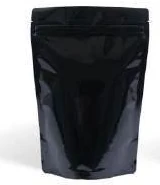
The catalogue includes flat-bottom pouches and foil-look stand-up pouches. These examples show different physical constructions; they are not interchangeable specifications. A box-style base gives the filled pack a distinct footprint, with separate front, back and side panels. Compare a plain top opening with a regular zipper, and use filled samples to decide the shelf depth and panel proportions.
| Format reference | Material or construction to clarify | Details to include in the brief |
|---|---|---|
| Flat-bottom pouches | Flexible laminate with paper-look or opaque outer options; the appearance alone does not identify the full layer structure. | Base width and full opened depth; net fill and product bulk. |
| Foil-look stand-up pouches | Opaque or metallic flexible laminate; foil and metallised constructions must be distinguished in the written specification. | Foil versus metallised requirement; outer finish and print coverage. |
Use the reference pictures to identify the base, side panels, window or opening that you mean. A picture cannot supply the missing dimensions or material layers. If a photograph shows a finish or closure you do not want, state that difference explicitly; otherwise a visual reference can introduce an unintended requirement.
Complete the record before requesting the next sample
- Attach a comparison of printed location against the final pouch drawing. Identify the product or SKU and the date of the observation.
- Record the image location relative to seals and folds. Keep confirmed information separate from proposed values and questions for the supplier.
- Add the actual fill weight or volume, the dimension convention, material proposal and intended closure. Include the number of designs and quantity per design when requesting a quotation.
- State which question the next drawing, sample or quotation must resolve. A change of size, closure or material should remain visible alongside the earlier reference.
This record makes the next conversation specific. It lets the design, purchasing and packing teams work from the same proposed item and shows which decision still needs evidence. Review the related product pages for format details, or prepare a custom packaging brief with the unresolved requirements.
Request the next evidence deliberately
Choose the next proof or sample by the unresolved decision and record its expected scope before it is prepared. Link the final production reference to all required accepted subjects. If the proposal changes, assess which evidence remains applicable. This creates a more useful approval chain than repeatedly requesting final samples without defining what final means.
Send the completed evidence-scope card with your product and filling details to Navkar Poly Print for a project-specific discussion. Ask for the proposed specification, evidence required and open questions to be recorded before quotation approval.
Sources and scope.
These references support the technical discussion. Product photographs illustrate formats; the material, dimensions and suitability of the proposed pack are confirmed for each project.
- Esko packaging prepress process
Primary prepress-software supplier reference; workflow recommendations here are original buyer tools.
- BOBST flexible packaging processes
Current equipment-manufacturer process reference. Narrow contextual citation only; no Navkar machinery or performance inference.
- Graphics Specifications
Manufacturer explains limited proof purposes and differences from final flexographic appearance; supplier-specific guidance.
Let’s discuss your product.
Share your contents, dimensions, filling method, quantity and delivery destination. We’ll work through the proposed packaging specification with you.
Create a packaging brief