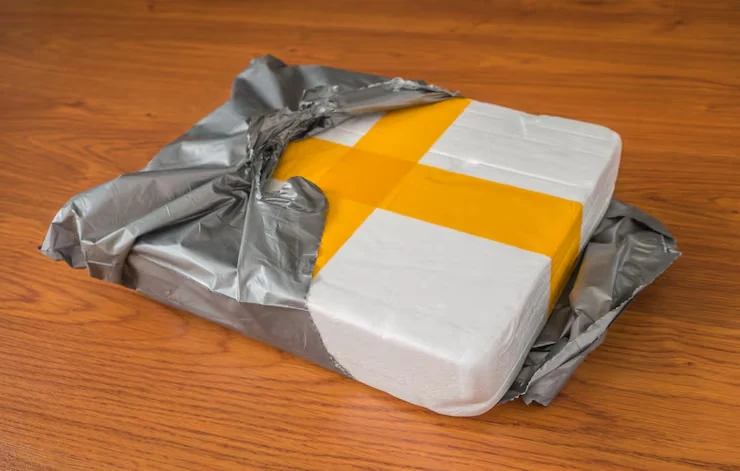
Plan sample and bulk packaging shipments separately because they serve different decisions and receiving processes. The sample needs an identifiable review purpose; the bulk order needs accurate quantities, packing references and an accepted receipt plan.
Give the sample a decision identity
State what the sample demonstrates, who reviews it and which drawing or assembly it represents. Include any differences from the proposed production pack. Send the recipient the reference before dispatch so an unlabelled pouch does not arrive without a project owner.
For international samples, ask the current carrier or broker what documentation is required. DHL's commercial-invoice guidance identifies shipment-party information. Do not invent an invoice value, customs classification or duty treatment; obtain the appropriate authorised input.
Define bulk packing independently
Record SKU quantities, carton count, packed dimensions, gross weights and labels. The sample's shipping method is not automatically the economical or suitable route for the bulk shipment. Ask logistics for current quotes using the real packed order and destination.
DHL discusses actual versus volumetric chargeable weight. Use the applicable carrier basis for each shipment, not a ratio extrapolated from a small sample parcel. Minimums and service scope must come from the actual offer.

Link the two records through approval
Keep the sample decision and bulk release references connected. If the accepted sample differs from bulk construction or artwork, record the change and responsible review. A sample delivery confirmation establishes receipt, not technical acceptance or permission to produce.
Give the two shipments different success criteria
A sample shipment succeeds operationally when the correct identified specimens and documents reach the authorised reviewer in a condition suitable for the planned review. Bulk receipt succeeds against a different set of order, quantity, packing and receiving requirements. Define these outcomes separately. A tracking status showing delivered is useful evidence of transport, but it does not establish that the sample was identified correctly or that the reviewer completed its assigned decision.
Create a sample record with code, construction, drawing, artwork, differences from intended production and review purpose. Create a bulk record with PO, accepted specification, SKU matrix and packing plan. Link them through the release decision rather than treating the sample parcel as a miniature bulk shipment. This preserves the role of evidence while allowing logistics to choose the actual service for each physical task.
Prepare the sample recipient before booking
Confirm the named reviewer, receiving address and backup contact. Ask whether the parcel needs an internal project reference to reach the right department. Send the manifest and review purpose ahead through the authorised project process. If samples are forwarded to another site, retain the onward identity and custody record. The detailed multi-co-packer dispatch register can manage that task; this article's focus remains the distinction between sample and bulk shipment planning.
State which documents travel with the parcel and which are shared through the buyer's controlled system. Keep commercially sensitive or restricted information within the agreed access process. The reviewer still needs enough identity to connect the specimens to the drawing and assigned question. An unlabelled sample may arrive quickly while failing to provide useful evidence because nobody can establish what it represents.
Ask about the actual route's documentation
For an international shipment, give the carrier or broker the accurate contents description, parties and purpose. Obtain authorised values, classification and other required information through the responsible process. A sample is not automatically exempt from documentation or charges. Do not create a nominal value merely to complete a booking form. The right input depends on the actual shipment and current route requirements.
Keep the sample's documents separate from those of the bulk order. Their quantities, values, packing and transport arrangements may differ. Reusing a document by changing only the quantity can carry incorrect party or scope information into the new shipment. Ask the authorised shipping owner to review the document set for each booking, retaining its connection to the relevant sample code or purchase order.
Quote bulk from final packing
Obtain carton types, counts, external dimensions, gross weights and any pallet or other outer unit for the accepted bulk order. Give carriers the exact destination and receiving restrictions. A small parcel quotation cannot be multiplied by a piece-count ratio to establish bulk freight. Minimums, charging methods and handling scope can differ. Request actual matched service offers and keep provisional packing information labelled until confirmed.
Check whether the bulk order is split by SKU, plant or delivery release. Record the packing and identification needed for each receipt. The sample reviewer may work at an office while bulk goods go to a warehouse or filling plant. Keep those addresses and contacts distinct. A correct sample delivery does not confirm bulk serviceability or the destination's ability to receive the tendered shipment unit.
Connect sample decisions to bulk release
Before bulk authorisation, compare the accepted sample identity with the proposed production references. Record differences in construction, component, dimensions, artwork or intended use. Ask the responsible owners whether prior evidence applies and what remains to be assessed. An earlier appearance approval can remain useful while a process question is still open. The bulk release record should identify those states rather than use a broad sample approved label.
For the illustrative S1 and B1 plan, S1 supports a dimensional review at the co-packer. Its receipt acknowledgement belongs in the transport record; its dimensional findings belong in the review record. B1 references the eventual accepted specification and order. If the drawing changes after S1, identify which findings need reconsideration. This avoids allowing a successful courier delivery to become accidental permission to produce the later configuration.
Plan for missing or unsuitable specimens
If the reviewer receives a damaged parcel or unidentified sample, preserve the relevant photographs and labels under the buyer's procedure. Ask the technical owner whether the planned review can proceed. A specimen altered during transport may not answer the intended question. Record the limitation and agree the next action rather than completing the review form as though nothing changed.
For bulk discrepancies, follow the receiving and hold process tied to the actual order. Do not extrapolate a sample's observed condition into a bulk quality judgement. Conversely, do not assume bulk acceptance because the development sample was satisfactory within its scope. The two evidence records are connected but answer different questions, and their owners may need different information.
Close the two plans independently
Retain the sample dispatch, receipt and review outcome with the development file. Retain bulk booking, packing, receipt and quantity reconciliation with the purchase order. Link both through the accepted release reference. This gives a later reviewer a clear path from evidence gathering to commercial supply while preserving the differences in quantities, destinations, documents and decisions. The result is a practical two-shipment plan, rather than an informal courier booking reused for every stage of the project.
Brief each recipient for its shipment
Confirm that each recipient knows the job the shipment supports. The sample receiver needs its purpose, references and review contact, while the bulk receiving team needs the accepted order, quantity and packing information. Delivery acknowledgement belongs to logistics; the technical review has its own record.
If the sample moves to another person or site, preserve its identity and update custody through the agreed workflow. When bulk dispatch is planned, reconcile it with the released specification and actual receiving destination. Do not infer the bulk packing arrangement, carrier service or approval status from a successful small parcel delivery. Those decisions need their own current scope.
A working record for this decision
Use this original worksheet with your product and supplier team. Give each row a named owner and evidence reference; a blank answer remains an open decision.
| Record | What to enter and why |
|---|---|
| Sample identity | Record sample code, purpose, assembly revision, differences and intended reviewer. |
| Sample documents | Obtain current authorised shipment information and documentation requirements for the actual route. |
| Bulk packing | List purchase order, SKU quantities, cartons, dimensions, gross weights and label requirements. |
| Approval link | Identify the accepted sample decisions and changes needed before bulk release. |
| Receiving owners | Name separate review and goods-receipt contacts where sample and bulk workflows differ. |
Shipment planning: a practical specification example
A packaging quote is being compared across two delivery plans. Use the same filled or empty-pack arrangement, quantity and destination in both calculations. A flat-bottom pouch, mailer and reel can occupy very different shipment volumes. Record the actual carton or reel measurements; the unit price of an empty pack does not establish the delivered cost per usable item.
For this decision, start with the dispatch quantity and carton count. The useful output is a packing list linked to the actual order. Put that output beside the relevant quotation, drawing or sample rather than leaving it in a separate email. This is an illustrative decision exercise, not a report of a completed customer trial.
Product references to make the discussion concrete
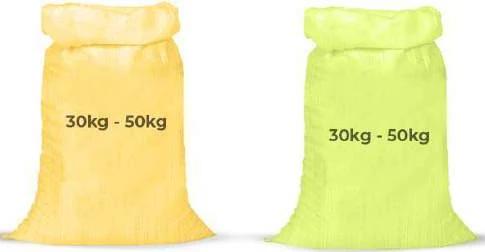
The catalogue includes courier bags and rice packaging bags. These examples show different physical constructions; they are not interchangeable specifications. Courier mailers close with an adhesive flap. Size the usable cavity around the actual item or inner pack, keeping the flap allowance separate. An invoice or POD document pocket can be included in the enquiry; confirm its dimensions and location on the drawing.
| Format reference | Material or construction to clarify | Details to include in the brief |
|---|---|---|
| Courier bags | Flexible mailing-bag film with an adhesive flap; polymer type, opacity and thickness are project specifications. | Item or inner-carton dimensions; usable height excluding the flap. |
| Rice packaging bags | Flexible gusseted bag or pouch construction; film layers, thickness, handle reinforcement and closure are specified for the fill. | Rice type and target net weight; filled envelope and side gusset. |
Use the reference pictures to identify the base, side panels, window or opening that you mean. A picture cannot supply the missing dimensions or material layers. If a photograph shows a finish or closure you do not want, state that difference explicitly; otherwise a visual reference can introduce an unintended requirement.
Complete the record before requesting the next sample
- Attach a packing list linked to the actual order. Identify the product or SKU and the date of the observation.
- Record the dispatch quantity and carton count. Keep confirmed information separate from proposed values and questions for the supplier.
- Add the actual fill weight or volume, the dimension convention, material proposal and intended closure. Include the number of designs and quantity per design when requesting a quotation.
- State which question the next drawing, sample or quotation must resolve. A change of size, closure or material should remain visible alongside the earlier reference.
This record makes the next conversation specific. It lets the design, purchasing and packing teams work from the same proposed item and shows which decision still needs evidence. Review the related product pages for format details, or prepare a custom packaging brief with the unresolved requirements.
Put the decision into practice
1. Plan the sample task. Send the review purpose and identity to the recipient before dispatch.
2. Collect route requirements. Ask the carrier or broker for current documentation and service scope.
3. Build the bulk plan. Use final order packing and receiving information for an independent freight comparison.
4. Reconcile before release. Check the bulk specification against accepted evidence and record any reviewed differences.
Tell Navkar Poly Print the sample reviewer and purpose, then request separate packed-shipment details for the bulk order freight enquiry.
Sources and scope.
These references support the technical discussion. Product photographs illustrate formats; the material, dimensions and suitability of the proposed pack are confirmed for each project.
- DHL: calculating chargeable weights
Carrier explains actual versus volumetric weight; buyers must use current route-specific factors and quotations.
- DHL: commercial invoice preparation
Carrier identifies shipment-party address and commercial-document information; actual destination requirements need current carrier or broker review.
Let’s discuss your product.
Share your contents, dimensions, filling method, quantity and delivery destination. We’ll work through the proposed packaging specification with you.
Create a packaging brief