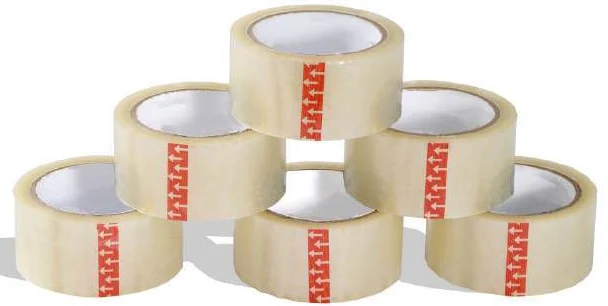
Compare packaging carriers using the same origin, destination, packed shipment and service scope. A freight figure becomes meaningful only when the buyer knows where responsibility starts, where the service ends and which charges or handling tasks remain outside the offer.
Describe both ends precisely
Provide the collection point, full destination, contact details and receiving restrictions. State whether the quotation covers collection, terminal handover, door delivery or another defined arrangement. Ask the carrier to identify serviceability and any location-specific conditions for the exact shipment.
ICC explains selected transport cost and risk responsibilities. If the sale uses a trade rule, keep its version and named place visible. The carrier's service contract still needs its own scope; a sales term should not be assumed to describe every transport task.
Ask for a complete service response
List packed dimensions, carton count, gross weight and contents description. DHL explains chargeable-weight principles, but the current quotation must identify the applicable calculation and charges. Ask which handling, remote-area, insurance or other items are included or excluded where relevant.
Keep transit estimates, booking acceptance and delivery commitments distinct. Record what evidence the carrier provides at collection and receipt, and the process for raising a discrepancy. Do not promise an arrival date from a general route description.

Align logistics with receiving
Confirm appointment requirements, unloading arrangements and the person authorised to receive the shipment. An available carrier service is not the same as a site being ready for delivery. Share the accepted packing list and order references before dispatch.
Draw the journey as a chain of handovers
List collection, origin handling, main movement, destination handling and final delivery as relevant to the offered route. At each handover, identify the party performing the task and the point where the quoted service begins or ends. A door-to-door description still needs the actual addresses and handling conditions. A terminal quote may be appropriate if the buyer has an accepted plan for the local movements, but those movements remain part of the overall logistics task.
Use the same journey map for every offer. Mark included, excluded, separately quoted or unresolved for each segment. Ask the carrier to clarify ambiguous language. Do not assign zero to a movement simply because the buyer intends to arrange it internally. If the commercial team wants a total-cost view, include its own supported internal cost basis or state that the figure remains outside the current comparison.
Standardise the physical shipment input
Give each carrier the same packing revision, carton or pallet counts, dimensions, gross mass and contents description. State whether figures are final or estimated. If a service requires different packing, create a separate scenario and return it to the packing owner for review. Do not compare a carton-only quote with a palletised quote while treating the physical shipment as unchanged.
Ask the carrier to identify applicable charging rules, minimums and additional handling lines in its response. Record any condition that depends on final measurement or booking. An initial rate can be useful for planning, but it should remain labelled as an estimate until the relevant conditions are confirmed. The quotation comparison should show what information each offer actually used.
Match collection and receiving conditions
Obtain the origin's loading arrangements and available collection windows from the responsible site. Obtain receiving hours, appointment requirements, access restrictions and unloading responsibility from the destination. Give both sets of information to the carrier. The service comparison is incomplete if it assumes a site can perform a task that its owner has not accepted. A nearby terminal or city-level service listing cannot answer these shipment-specific questions.
If the shipment goes to a co-packer, identify the authorised goods-receipt contact separately from the buyer's commercial office. Ask how the carrier will evidence delivery and how exceptions are reported. The recipient needs the PO and packing references before arrival. A successful courier delivery to an office is not proof that the same address and service can receive a bulk packaging shipment.
Compare timing using the same events
Record booking acceptance, collection window, transit estimate and any expressly agreed delivery event separately. Ask what assumptions govern the estimate and whether the proposed calendar includes origin or destination handling. Do not turn an advertised service duration into a project commitment. The buyer needs the carrier's response for the actual shipment and the receiver's accepted availability.
For an illustrative comparison, A quotes from factory collection to destination receipt, while B quotes terminal departure to terminal arrival. The transit figures have different boundaries. Add the missing collection and local-delivery events before comparing the operational plan. If those events are unresolved, show the gap. A shorter main-movement estimate does not establish an earlier usable receipt at the filling plant.
Examine cover and discrepancy procedures
Ask what liability, optional cover or insurance the actual offer provides and which documents govern it. Do not assume the freight charge includes the buyer's desired protection. Route policy and contractual questions to the appropriate commercial or insurance owner. The comparison should record the accepted scope and relevant reference rather than paraphrase legal conditions into an unsupported promise of full reimbursement.
Obtain the process for reporting shortage, damage or another delivery exception. Identify who preserves photographs, packing records and carrier documents. Do not invent a universal reporting deadline. Use the actual accepted terms and the buyer's procedure. This information helps the receiving team act on a discrepancy while its original evidence remains available, without treating a visible mark as proof of a particular party's cause or liability.
Work through a missing local leg
Suppose quote B ends at the destination terminal and the buyer expects factory receipt. Ask for a separately quoted local movement or an accepted internal plan. Include collection from the terminal, any waiting or handling scope and delivery-site requirements. Keep unresolved costs open. Only after the plan is complete should procurement compare the financial and operational consequences with quote A's broader service.
If the buyer chooses terminal collection, record the responsible party and handover instructions. Give the receiving site the revised plan. A lower carrier invoice may still be a suitable decision, but the comparison must explain the work shifted elsewhere. This makes the choice reviewable without assuming every shipment needs the same level of service or that one route is universally preferable.
Freeze the booking basis
Before dispatch, reconcile the chosen quotation with final packing, readiness, addresses and appointments. Obtain confirmation of material changes and retain the booking reference. Share the accepted handover map with supplier, logistics and receiving through the buyer's normal process. If the route or site changes later, update the plan rather than relying on the old quote's headline amount. The result is a complete service decision for a defined shipment, supported by actual responsibilities and current information.
Illustrative scope comparison
Suppose Quote A covers collection and delivery to the factory gate, while Quote B begins at a transport terminal and ends at a destination terminal. Put the missing local movements and responsibilities in explicit rows rather than declaring B cheaper. Ask for the same end-to-end scope or calculate only confirmed additional services, leaving unknowns open. If the buyer can perform those movements internally, record the chosen responsibility rather than treating it as free by default. The comparison then reflects an actual logistics plan instead of two numbers covering different journeys.
A working record for this decision
Use this original worksheet with your product and supplier team. Give each row a named owner and evidence reference; a blank answer remains an open decision.
| Record | What to enter and why |
|---|---|
| Origin and destination | Provide exact locations, contacts and the defined start and finish of the service. |
| Packed shipment | List carton or pallet count, dimensions, gross weight and contents description. |
| Service inclusions | Identify collection, delivery, handling, relevant cover and excluded charges in the actual offer. |
| Timing basis | Separate transit estimate, booking acceptance and any explicitly agreed commitment. |
| Receiving handover | Record appointments, unloading responsibility, receipt evidence and discrepancy contacts. |
Carrier comparison: a practical specification example
A packaging quote is being compared across two delivery plans. Use the same filled or empty-pack arrangement, quantity and destination in both calculations. A flat-bottom pouch, mailer and reel can occupy very different shipment volumes. Record the actual carton or reel measurements; the unit price of an empty pack does not establish the delivered cost per usable item.
For this decision, start with the same origin, destination and shipment details. The useful output is quotes with the service and exclusions visible. Put that output beside the relevant quotation, drawing or sample rather than leaving it in a separate email. This is an illustrative decision exercise, not a report of a completed customer trial.
Product references to make the discussion concrete
The catalogue includes courier bags and rice packaging bags. These examples show different physical constructions; they are not interchangeable specifications. Courier mailers close with an adhesive flap. Size the usable cavity around the actual item or inner pack, keeping the flap allowance separate. An invoice or POD document pocket can be included in the enquiry; confirm its dimensions and location on the drawing.
| Format reference | Material or construction to clarify | Details to include in the brief |
|---|---|---|
| Courier bags | Flexible mailing-bag film with an adhesive flap; polymer type, opacity and thickness are project specifications. | Item or inner-carton dimensions; usable height excluding the flap. |
| Rice packaging bags | Flexible gusseted bag or pouch construction; film layers, thickness, handle reinforcement and closure are specified for the fill. | Rice type and target net weight; filled envelope and side gusset. |
Use the reference pictures to identify the base, side panels, window or opening that you mean. A picture cannot supply the missing dimensions or material layers. If a photograph shows a finish or closure you do not want, state that difference explicitly; otherwise a visual reference can introduce an unintended requirement.
Complete the record before requesting the next sample
- Attach quotes with the service and exclusions visible. Identify the product or SKU and the date of the observation.
- Record the same origin, destination and shipment details. Keep confirmed information separate from proposed values and questions for the supplier.
- Add the actual fill weight or volume, the dimension convention, material proposal and intended closure. Include the number of designs and quantity per design when requesting a quotation.
- State which question the next drawing, sample or quotation must resolve. A change of size, closure or material should remain visible alongside the earlier reference.
This record makes the next conversation specific. It lets the design, purchasing and packing teams work from the same proposed item and shows which decision still needs evidence. Review the related product pages for format details, or prepare a custom packaging brief with the unresolved requirements.

Put the decision into practice
1. Standardise the enquiry. Send each carrier the same packed-shipment and location information.
2. Map the service boundary. Identify every handover and task included or left to another party.
3. Close the missing scope. Obtain clarification or a separate accepted plan for uncovered movements and charges.
4. Confirm dispatch readiness. Align collection, documentation and receiving arrangements before tendering the shipment.
Confirm Navkar Poly Print shipment packing details and collection arrangements, then compare carriers against your exact receiving location.
Sources and scope.
These references support the technical discussion. Product photographs illustrate formats; the material, dimensions and suitability of the proposed pack are confirmed for each project.
- DHL: calculating chargeable weights
Carrier explains actual versus volumetric weight; buyers must use current route-specific factors and quotations.
- ICC Digital Library: Incoterms questions and answers
Incoterms reference for identifying transport responsibility and named place; not a complete freight or customs quotation.
Let’s discuss your product.
Share your contents, dimensions, filling method, quantity and delivery destination. We’ll work through the proposed packaging specification with you.
Create a packaging brief