Approve pouch conversion as the creation of a defined geometry and feature arrangement from an identified material. Printing approval alone does not establish pouch dimensions, feature position or the final filling interface. Ask for a controlled drawing that brings these requirements together and a representative sample with clear identity. This gives the buyer and filling team a shared reference for the empty pouch they intend to receive.
Specify the converted shape
Record flat dimensions, gussets and the measurement convention used. Mark front, rear and relevant side or base panels so the drawing can be interpreted without a photograph. Add the seal paths and the product-entry opening. Do not assume a format name specifies the exact geometry; similar names may cover different arrangements. Ask the converter to identify what it proposes and the filling site to review the interface. If the buyer only has a filled retail reference, treat measurements as preliminary until the proposed empty-pouch drawing is agreed.
Add every functional feature before release
Zippers, spouts, handles, hanging features and opening features can change the available space and the way the pouch is handled. Put the features on the structural drawing before artwork is finalised. Ask who controls each component reference and which evidence is needed for its assembly or use. Avoid selecting a feature solely because it appears on a sample from a different product. A sample can help explain an idea while still differing from the intended material, size or filling route. Record those differences openly.

Define what the customer will finish
Show which seals and assemblies arrive completed and which closure remains after product entry. Ask the filling owner to confirm access, gripping and final closure requirements. A converted pouch can be structurally representative without proving the filled pack’s application performance. Keep the qualification boundary clear. If a feature position or pouch size changes after a trial, identify which fit, artwork and filling questions must be reviewed again. This prevents a conversion revision from being treated as a cosmetic adjustment when it affects the actual packing operation.
Create a converted-pouch acceptance record
Use the record for the empty-pouch handover. It should identify the approved physical configuration and point to the separate evidence needed for filling and application qualification.
| Record | What to capture and how to use it |
|---|---|
| Geometry reference | Record the drawing revision, flat dimensions and gusset convention. Identify front, rear and functional panels so the converter, artwork team and filling site interpret the same geometry rather than relying on a format name. |
| Seal arrangement | Number the existing seal paths and show the opening supplied for filling. Link any dimensional review to those paths, because an overall size measurement alone cannot establish the usable interior or final closure location. |
| Feature set | Record the proposed zipper, spout, handle or other feature references and positions. Identify the technical owner and applicable evidence for each interface, avoiding an assumed approval based on a visually similar sample. |
| Sample identity | Link the converted specimen to material, artwork and structural revisions. State whether it is a geometry mock-up or representative production sample so the buyer knows which conclusions can reasonably be drawn from it. |
| Filling handover | Identify the product-entry and final closing operations still required, plus the receiving site and approval owner. Record open questions before normal supply rather than allowing a finished-looking empty pouch to imply complete application qualification. |
Retain an agreed empty reference with the drawing where the project process allows it. The sample illustrates the geometry, while the controlled record explains which revision and evidence the sample represents.
Illustrative late feature addition
A team approves a pouch size, then asks to add a zipper. The proposed position reduces the access and usable space assumed in the earlier filled prototype. The buyer therefore revisits the geometry, filling and artwork review against the revised drawing. It does not assume that the earlier approval transfers unchanged. The example shows why all functional features belong in the initial conversion brief, while their actual suitability remains subject to the appropriate sample and technical evidence.
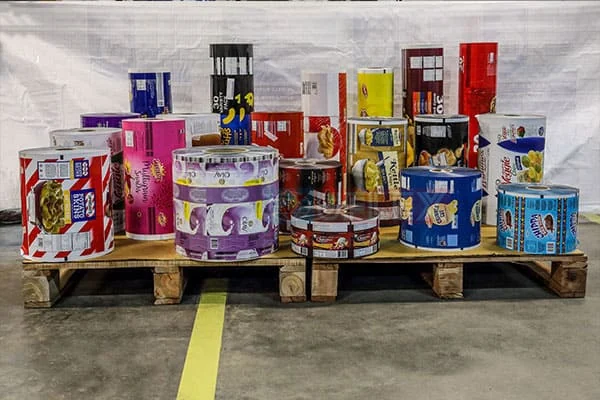
Mespack distinguishes package supply routes. Glenroy provides upstream film-finishing context.
Read the drawing in the order the pouch is used
Start with the empty pouch supplied to the filler. Identify the opening, grip areas, preformed seals and features already present. Then mark the state after filling and final closure. Finally show the customer opening and accessing the contents. A feature can be correctly made yet interfere with another stage if the drawing was reviewed only as a flat outline.
Use a simple state sketch beside the manufactured drawing. It need not reproduce machine instructions. Its purpose is to expose dependencies between geometry, feature position and remaining operations. A zipper, spout or hanging feature should therefore have a defined reference and location, rather than appearing as a late visual addition after the pouch size has been accepted.
Separate supplied closures from the remaining opening
Mark each closure path that the converter supplies and the operation left for the filling site. Ask the receiver to confirm the usable opening and space required for dosing and closing. If a feature reduces this area, review the complete interface before approving conversion. A photograph of a finished filled pack can hide which opening existed when it arrived empty.
The technical assessment must use the actual construction and geometry. A format catalogue shows a possible shape, while a project drawing defines the proposed item. A representative converted sample can then be compared with that drawing. Keep the evidence chain explicit so a visual sample approval does not accidentally become approval of an untested filling or closure operation.
Observe feature interactions rather than isolated features
For a zipper pouch, examine the relationship between the zipper, first-opening route and final seal. For a spouted pouch, examine the fitment location relative to the body and intended handling action. For a hanging design, consider the loaded geometry and fixture. These are examples of interface questions, not confirmation that every feature suits every product or filling process.
If a sample contains several features, ask which one resolves the buyer's actual requirement. An additional feature can consume panel space, alter handling or introduce another approval interface. Removing an unnecessary feature may simplify the design, but the decision should follow the use brief. Avoid assuming that a more elaborate pouch is automatically more convenient or commercially successful.
Work through a dimensional revision
Consider an illustrative request to move a zipper lower to make first opening easier. Mark the changed position against the current drawing. Then identify what happens to the available filling region, product level, readable panel and intended scoop access. A small positional change can affect several tasks, so each relevant owner should receive the same annotated proposal.
The next sample should answer the specific changed question while retaining the other baseline references. Record what stayed the same and any additional differences. If the sample uses a substitute construction, limit the conclusion accordingly. Do not approve the complete commercial pack solely because the revised geometry looks preferable in an empty prototype.
Make conversion acceptance usable at filling
Ask the receiver to demonstrate how it identifies the approved version before loading. Similar-looking sample pouches can carry different geometry, so the retained reference needs a clear link to the item rather than an informal description of its appearance.
The filler needs the current pouch identity, drawing, opening arrangement and relevant accepted sample references. Include any condition that the approved review relied on, such as an agreed support or handling arrangement. State the remaining evidence required for the product and final closure. This turns conversion acceptance into an informative handover rather than a signature detached from the physical item.
When a future feature or dimension changes, compare it with this accepted baseline. Identify which stage and use questions are affected before requesting another sample. The completed record should let the converter, filler and brand describe the same pouch at the same point in its life. That shared understanding helps prevent a correctly manufactured feature from becoming an unexpected obstacle during filling, display or customer access.
Slitting specification: a practical specification example
A printed pouch is approved visually and then changes during conversion. Treat the artwork, film construction and finished geometry as separate records with shared revision references. Printed colour alone cannot show whether a seal width or usable cavity has changed. Compare a finished sample with the drawing and identify which observations concern print and which concern pack construction.
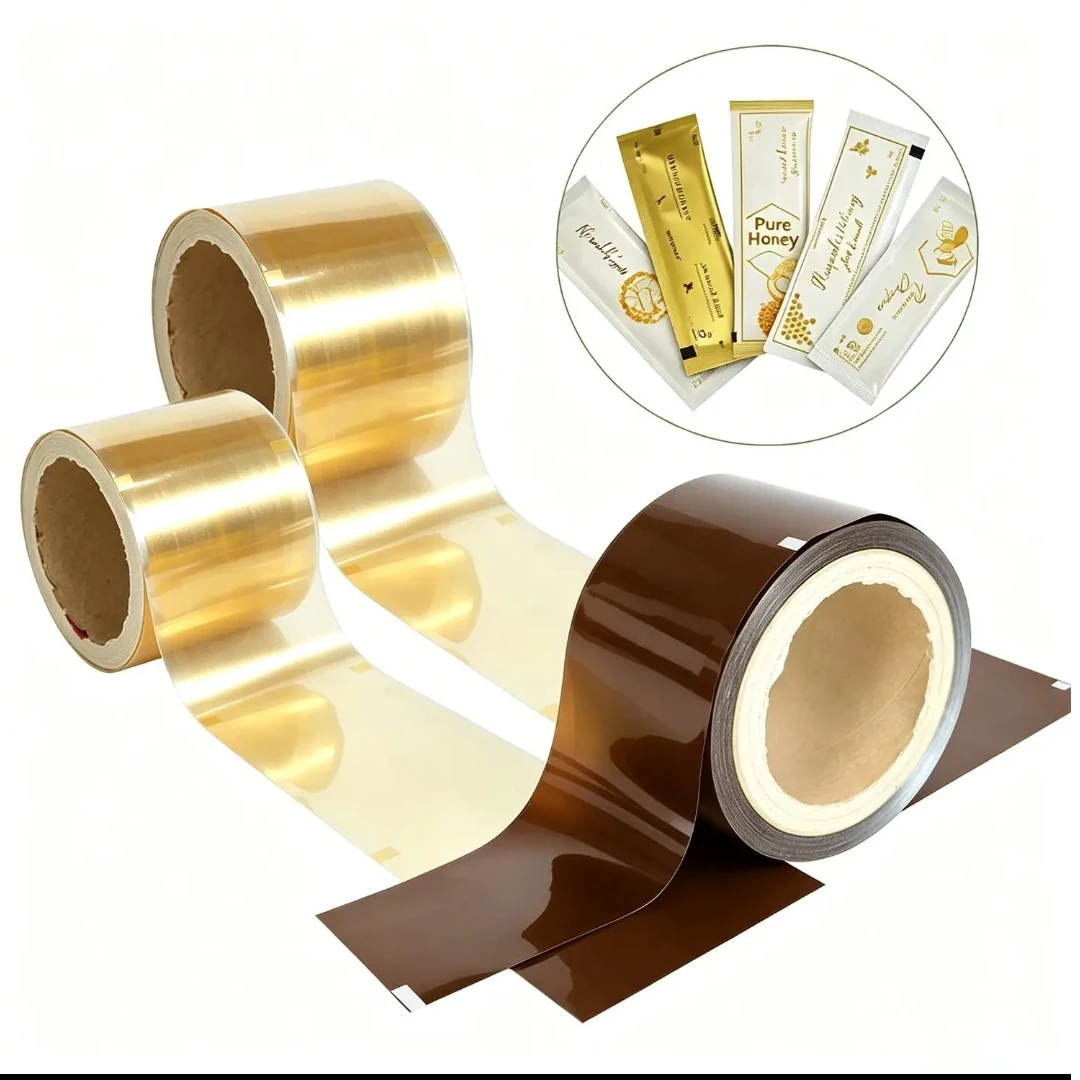
For this decision, start with the finished reel width and identification. The useful output is a reel label tied to the approved width and artwork version. Put that output beside the relevant quotation, drawing or sample rather than leaving it in a separate email. This is an illustrative decision exercise, not a report of a completed customer trial.
Product references to make the discussion concrete
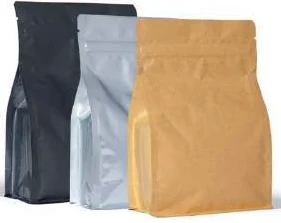
The catalogue includes flat-bottom pouches and foil-look stand-up pouches. These examples show different physical constructions; they are not interchangeable specifications. A box-style base gives the filled pack a distinct footprint, with separate front, back and side panels. Compare a plain top opening with a regular zipper, and use filled samples to decide the shelf depth and panel proportions.
| Format reference | Material or construction to clarify | Details to include in the brief |
|---|---|---|
| Flat-bottom pouches | Flexible laminate with paper-look or opaque outer options; the appearance alone does not identify the full layer structure. | Base width and full opened depth; net fill and product bulk. |
| Foil-look stand-up pouches | Opaque or metallic flexible laminate; foil and metallised constructions must be distinguished in the written specification. | Foil versus metallised requirement; outer finish and print coverage. |
Use the reference pictures to identify the base, side panels, window or opening that you mean. A picture cannot supply the missing dimensions or material layers. If a photograph shows a finish or closure you do not want, state that difference explicitly; otherwise a visual reference can introduce an unintended requirement.
Complete the record before requesting the next sample
- Attach a reel label tied to the approved width and artwork version. Identify the product or SKU and the date of the observation.
- Record the finished reel width and identification. Keep confirmed information separate from proposed values and questions for the supplier.
- Add the actual fill weight or volume, the dimension convention, material proposal and intended closure. Include the number of designs and quantity per design when requesting a quotation.
- State which question the next drawing, sample or quotation must resolve. A change of size, closure or material should remain visible alongside the earlier reference.
This record makes the next conversation specific. It lets the design, purchasing and packing teams work from the same proposed item and shows which decision still needs evidence. Review the related product pages for format details, or prepare a custom packaging brief with the unresolved requirements.
Approve a reproducible empty-pouch handover
Issue the accepted record with the order and ask suppliers to identify deviations before manufacture. Keep product compatibility, final closure and storage-performance approvals linked but distinct. Reopen the affected requirements after a feature, dimension or construction change. A well-defined conversion record tells the next team what it will receive and what it still needs to demonstrate.
Send the completed converted-pouch acceptance record with your product and filling details to Navkar Poly Print for a project-specific discussion. Ask for the proposed specification, evidence required and open questions to be recorded before quotation approval.
Sources and scope.
These references support the technical discussion. Product photographs illustrate formats; the material, dimensions and suitability of the proposed pack are confirmed for each project.
- Mespack solution finder
Equipment supplier distinguishes rollstock and premade-pouch routes; no Navkar equipment inference.
- Glenroy custom finishing and slitting
Primary converter explanation of roll finishing; no claimed Navkar process details.
Let’s discuss your product.
Share your contents, dimensions, filling method, quantity and delivery destination. We’ll work through the proposed packaging specification with you.
Create a packaging brief