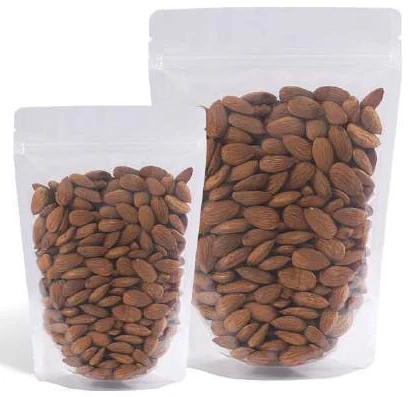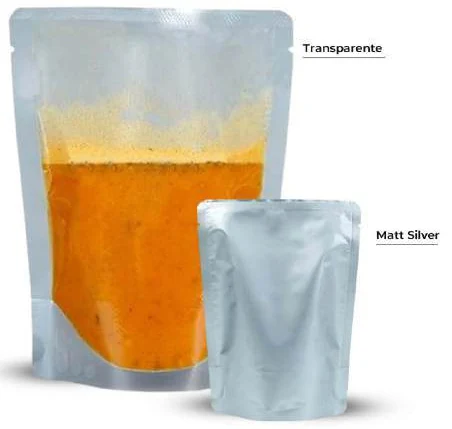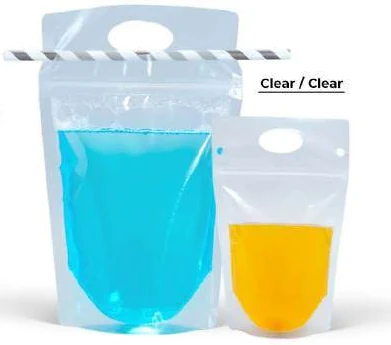
Compare a fruit pulp spout pouch with bag in box by the quantity a kitchen can use, the approved filling process and the cost per usable kilogram. A smaller spout pouch may suit intermittent preparation or several separate workstations. Bag in box may suit a larger dispensing requirement when its complete inner bag, outlet and outer carton have been qualified for the actual pulp.
Define the foodservice operation first
Describe the pulp accurately: fruit, concentration, consistency, particles and formulation version. State whether the buyer receives an ambient, chilled or frozen product and identify the intended filling process. The technical team must confirm the suitability of the proposed package for those conditions.
Then map where the pulp goes. A beverage station making occasional drinks differs from a central kitchen mixing a large production batch. Record the amount normally used per shift, the frequency of opening a new pack and the space available around the dispenser or preparation vessel.
Keep unopened storage and service after opening as separate requirements. A larger pack can create an attractive quoted cost per kilogram while exposing more product during a slow service period. The appropriate opened-use conditions must come from the responsible food business and its qualified technical review.
Understand the two systems
A spout pouch combines a flexible body with a nominated spout and closure. Its handling depends on the filled size, grip, opening position and how the operator supports the pack while pouring. A handle can change the action, but its presence does not establish an acceptable lifting load.
Bag in box combines an inner flexible bag with an outlet or other dispensing interface and an outer carton. Identify every supplied component and the intended orientation during use. Check whether staff dispense directly, connect equipment or remove the inner bag for a separate operation.
Do not compare only the two empty containers. Include the filling connection, closure completion, carton assembly, outlet access and disposal or residual-product handling. A pack that looks compact before filling may occupy a different workstation footprint once it needs support and clearance for dispensing.

Use research to define the protection question
The 2026 study Tamarind preservation: The impact of packaging and storage conditions on quality compared several pouch materials and ambient versus refrigerated storage over six months. It measured physicochemical quality in tamarind fruit and pulp. The results show why material and storage conditions belong in the brief.
That experiment did not compare a commercial spout pouch with bag in box, and tamarind results cannot establish the life of mango, guava or another pulp. Use it to ask which deterioration measures matter for your product, then commission an appropriate filled-pack study.
SIG's SteriSeal bag-in-box reference provides primary supplier context for the system category. Supplier-specific application claims apply to the offered construction and process. They are not evidence that another bag, spout or filling arrangement is interchangeable.
Compare an equal quantity and a realistic shift
Start with equal total product quantity for the quotation. Then test a representative service pattern. For example, five smaller pouches and one larger bag-in-box unit might contain the same total mass, but they require different numbers of openings and different handling actions.
Keep the number of stations visible. A central dispensing point may make a large pack practical, while separated counters may need smaller independent packs. Staff walking time and congestion can matter as much as the time taken to pour the pulp itself.
Write a simple service observation sheet: start quantity, portions prepared, measured dispensed mass, spills, residual mass, interruptions and elapsed active handling time. Record why an interruption occurred. A blocked outlet, awkward workstation position and unclear instructions require different corrective actions.
Calculate usable product cost
Use relevant filled-system cost ÷ usable kilograms. Relevant cost includes product, packaging, allocated setup, filling, secondary protection and delivery. Add only loss-related expenses outside those costs, such as additional disposal or replacement handling. Product already purchased is counted once; reduced usable yield affects the denominator. State whether labour and returned-product handling are included.
Here is an invented method example, not a supplier quote or test result. Candidate A costs ₹1,040 for 10kg delivered and yields 9.7kg in the defined service observation. Its cost is ₹107.22 per usable kilogram. Candidate B costs ₹1,000 for the same nominal quantity and yields 9.2kg, producing ₹108.70 per usable kilogram.
The lower invoice total loses its advantage in this illustration because less pulp is usable. Do not assign these outcomes to a particular format. Replace both the financial and measured yield inputs with project evidence. Repeat the calculation if the pack size, operating pattern or outer carton changes.
Add the cost of service handling carefully
Measure active work rather than assigning all elapsed shift time to the pack. Include opening, positioning, dispensing, replacement and clearing residual product where these activities genuinely differ. Apply the same labour rate and observation boundary to each candidate.
Avoid double counting. If the filling quotation already includes carton assembly, do not add that labour again in the buyer's packaging comparison. Likewise, a kitchen's normal food preparation time should not all become a packaging expense just because it happens near the dispenser.
Check the sensitivity to volume. A format that works well during a busy event may create more open-pack exposure on ordinary weekdays. Compare at least the normal and lower-consumption situations using the food business's approved handling conditions. This helps prevent peak-day economics from driving a poor everyday choice.
Ask the filling team about the real interface
Provide the product's flow and particle information before specifying an outlet from a photograph. The filler needs to assess product access, closing route, cleanliness at sealing interfaces and compatibility with the approved process. Record the exact component references used in the trial.
For bag in box, clarify whether the carton is assembled before or after filling and how the outlet is presented to the operator. For the pouch, clarify whether filling is through the spout or another opening and who completes the closure. Ownership of these steps should appear in the proposal.
If a candidate requires a different packing partner, include the additional movement, scheduling and release responsibilities. A lower container quote can disappear once conversion and logistics are included. Ask for a first-order cost and a repeat-order cost with the same assumptions.
Test storage, dispensing and transport separately
The storage trial should identify formulation, process, pack construction, outlet, intended conditions and product-specific acceptance measures. A successful dispensing observation cannot substitute for this evidence. Likewise, a favourable storage result does not show that the carton survives the delivery route.
Use actual filled cartons for distribution evaluation. Record gross mass, dimensions, stacking arrangement and outlet protection. Inspect both the outer carton and the primary package after the agreed handling review. An intact carton can conceal damage to an inner closure, while a marked carton may still contain acceptable product.
For Sri Lankan enquiries, define the delivery term and who is responsible for documentation, import clearance, storage and onward distribution. For Indian buyers, quote to the actual receiving PIN code and expected shipment size. A national distance estimate is less useful than the buyer's real lane.
Compare presentation where the buyer sees it
Foodservice packaging should communicate fruit type, quantity, batch identity and handling information clearly at the workstation. A large retail-style picture may be less valuable than quick variant recognition when several pulps are stored together. Check the label after ordinary handling and in the intended orientation.
If the pack is visible to customers, add a separate presentation review. Keep that score distinct from dispensing reliability and food qualification. Strong branding can support the sale, but there is no basis here for a numerical sales increase from choosing either system.
Review a low-consumption service day
Add a lower-demand scenario to the business case. Describe the expected number of stations and the amount used before the next approved service boundary. Ask whether a large unit creates avoidable residual stock or whether several small packs create unnecessary opening work.
Use the food business's qualified handling rules to define that scenario. Do not extend an opened-use period merely to improve the calculation. The right comparison respects the approved operation first, then identifies which pack size serves it efficiently.
Fruit-pulp pouch versus bag-in-box: a practical specification example
A brand is comparing two packaging concepts around one real application. Hold the product quantity and customer use constant, then list what changes with the container: filling, closing, opening, dispensing, display and shipment. A flexible alternative may offer a different shape or use pattern, but its material and closure still need their own project-specific review. Keep hypothetical cost examples separate from quotations.
For this decision, start with the required volume and outlet. The useful output is the complete secondary-pack and handling requirements. Put that output beside the relevant quotation, drawing or sample rather than leaving it in a separate email. This is an illustrative decision exercise, not a report of a completed customer trial.
Product references to make the discussion concrete
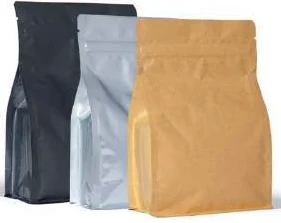
The catalogue includes spout pouches and flat-bottom pouches. These examples show different physical constructions; they are not interchangeable specifications. A fitted spout provides a controlled opening for dispensing. The reference range includes compact pouches and larger handled formats. Specify the product, fill volume, spout location and cap before developing the pouch shape; a corner spout and a top-centre spout require different layouts.
| Format reference | Material or construction to clarify | Details to include in the brief |
|---|---|---|
| Spout pouches | Flexible liquid-pack laminate with a fitted spout and cap; contact-layer and closure compatibility are reviewed for the formulation. | Fill volume and product viscosity; spout bore, position and cap. |
| Flat-bottom pouches | Flexible laminate with paper-look or opaque outer options; the appearance alone does not identify the full layer structure. | Base width and full opened depth; net fill and product bulk. |
Use the reference pictures to identify the base, side panels, window or opening that you mean. A picture cannot supply the missing dimensions or material layers. If a photograph shows a finish or closure you do not want, state that difference explicitly; otherwise a visual reference can introduce an unintended requirement.
Complete the record before requesting the next sample
- Attach the complete secondary-pack and handling requirements. Identify the product or SKU and the date of the observation.
- Record the required volume and outlet. Keep confirmed information separate from proposed values and questions for the supplier.
- Add the actual fill weight or volume, the dimension convention, material proposal and intended closure. Include the number of designs and quantity per design when requesting a quotation.
- State which question the next drawing, sample or quotation must resolve. A change of size, closure or material should remain visible alongside the earlier reference.
This record makes the next conversation specific. It lets the design, purchasing and packing teams work from the same proposed item and shows which decision still needs evidence. Review the related product pages for format details, or prepare a custom packaging brief with the unresolved requirements.
Make the format decision with the operator
Shortlist a spout pouch when smaller service quantities, multiple stations or the observed pouring action favour it. Shortlist bag in box when a qualified larger system fits the outlet, workspace and consumption pattern. Confirm the decision with the people who fill, receive and use the product.
Send Navkar Poly Print the pulp brief, shift consumption, target pack quantities, filling route and destination. Ask which proposed formats and components can be evaluated and what evidence remains necessary. Keep bag-in-box availability as a supplier capability question; it is not part of Navkar's confirmed product catalogue.
Sources and scope.
These references support the technical discussion. Product photographs illustrate formats; the material, dimensions and suitability of the proposed pack are confirmed for each project.
- Tamarind preservation: The impact of packaging and storage conditions on quality
Material and environment belong in the pulp brief. Tamarind; not a spout-pouch-versus-bag-in-box comparison.
- SIG's SteriSeal bag-in-box reference
Primary supplier or technical reference for the linked format or component question; no Navkar capability, test outcome or shelf-life claim is transferred.
Let’s discuss your product.
Share your contents, dimensions, filling method, quantity and delivery destination. We’ll work through the proposed packaging specification with you.
Create a packaging brief