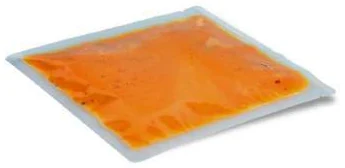
Review shampoo refill fit with the actual bottle opening and filled pouch. The practical decision is whether the intended user can transfer the product in the authorised sequence, with adequate access and control, rather than whether two catalogue dimensions appear compatible.
Measure the complete receiving space
Record the bottle opening, shoulder, neck surround and any closure parts that remain during refilling. Note the fill indication or other brand-approved stopping point. The smallest apparent opening is only part of the geometry; hand access and approach angle also need review.
ZACROS explicitly relates its refill system to bottle openings and product viscosity. This supports specifying both product and receiver. It does not prescribe the fitment needed for your shampoo or establish availability of that manufacturer's design elsewhere.
Record the receiver in the state used for refilling
Identify the actual bottle and the closure parts present during the authorised refill task. A bare-neck drawing can differ from a bottle with a retained collar or another component. Record the state the customer is expected to use.
Include the shoulder and surrounding approach space, not only the opening. Observe the direction from which the filled pouch approaches and the ordinary grip. The available path depends on the complete objects and task.
An illustrative receiver register can contain R1 and R2 with different shapes but the same nominal capacity. Keep each drawing and approved instruction separate. Capacity does not establish identical neck geometry or user access.
Where a preliminary model substitutes for the actual receiver, label it and explain its role. It can help locate a potential interference while leaving final confirmation open. Do not let an oversized demonstration vessel become apparent evidence that the commercial bottle is compatible with the refill task.
Observe the intended sequence
Record opening, approach, transfer, stopping and reclosing where applicable. Use instructions approved by the brand and product team. Keep full and part-used pouch observations separate if both belong to the proposed use. A transfer that works when the pouch is full may involve different folding and support later.
Ask observers to describe events, such as a changed grip or receiver contact, before judging them. Agree what counts as acceptable for the user task. Do not convert a single demonstration into a general "no-mess" claim or a claim of improved accessibility.
Observe approach, entry and stopping as distinct stages
Begin with the complete unopened pouch and follow the brand-approved sequence. Record opening and preparation before the pouch reaches the bottle. Then observe approach, transfer and the intended stopping point under the product owner's authorised conditions.
Use plain event descriptions. The fitment contacted a collar, the pouch obscured the opening or the user changed grip are useful records. The relevant owner determines their significance. Avoid assigning a general no-spill or accessibility conclusion from a single informal demonstration.
An illustrative candidate may approach comfortably but leave a difficult view as the receiver fills. That suggests a question about the complete transfer sequence rather than a simple diameter mismatch. Another candidate may have a different contact point during the initial approach.
Keep any coaching visible. If an observer is shown a particular angle or action, record it. The design team needs to know whether the intended sequence follows naturally from the pack and instructions or relies on specialist assistance.
Record whether the receiver needs support during the authorised sequence and which surrounding space the task uses. Describe the actual action without prescribing a grip or handling method. The responsible team decides whether the arrangement supports the intended use.
If the bottle changes position between candidates, retain that difference. A more convenient approach could result from the moved receiver rather than the pouch. A useful comparison makes such context visible and gives any revised complete arrangement its own reference.
Keep formula assessment in parallel
Cosmetics Europe discusses information supporting assessment. User transfer observations cannot replace formula-pack assessment, and a material statement cannot demonstrate an easy refill. Put both decisions in the project file with separate owners.
Include product and fill state without improvising the task
Use representative shampoo under the product owner's approved handling conditions. A convenient substitute can help early geometry work but does not represent the actual product's movement. Identify that limit beside the sample.
If a partly used pouch belongs to the intended proposition, observe the defined state separately or as the actual sequence requires. Record remaining product and naturally changed shape. Do not combine photographs from different states and describe them as one uninterrupted event.
For an illustrative finding, full-pouch approach may be acceptable while later support changes alter visibility of the receiver. Record the event and actual state. The next review can address the relevant geometry, instruction or other input through the accountable owners.
Keep physical fit and formulation assessment in separate rows. A comfortable transfer says little about long-term contents-container interaction. A favourable material assessment does not show that the user can approach and fill a particular bottle. Both relevant decisions need their own evidence.
Compare identified shampoo receivers
Suppose one shampoo range uses a round bottle and a rectangular bottle. Label them R1 and R2, attach the real opening drawings and keep the same proposed pouch reference in both rows. Observe the approach and put-down space on each. If users need to hold one bottle while transferring, preserve that detail in the record. The purchasing decision may favour one common refill or separate solutions, but the evidence should explain why. When a bottle supplier later changes the neck or pump, use the receiver reference to identify which refill observations need renewed review.
Compare receiver variants with matched records
Use the same proposed pouch reference and authorised task where the comparison permits it. Record receiver-specific differences explicitly. If product condition, instruction or component also changes, describe the result as applying to that complete setup.
Create a stage-by-receiver table with approach, visibility, contact, stopping and final placement. Link observations to sample identities and photographs. An overall preference without stage information gives the supplier little direction for another proposal.
An illustrative comparison may retain one pouch for R1 and ask for further work at R2 because of a defined collar interaction. That is a useful bounded decision. It does not establish that one bottle shape is universally unsuitable or that a larger opening alone resolves the issue.
Before requesting another sample, name the interaction it should address. Preserve consequences for filling, artwork and technical assessment when geometry changes. A local interface improvement needs review as part of the complete proposal rather than an isolated cosmetic adjustment.
Record receiver geometry and transfer observations
Use this original worksheet with your product and supplier team. Give each row a named owner and evidence reference; a blank answer remains an open decision.
| Record | What to enter and why |
|---|---|
| Receiver geometry | Record opening, neck surround, shoulder and closure components present during refill. |
| Product reference | Identify shampoo formula and the product conditions authorised for the handling observation. |
| Pouch reference | List assembly, spout, cap and drawing revision used in each receiver comparison. |
| User sequence | Describe opening, approach, transfer, stopping and return steps from the approved instructions. |
| Observation criteria | Define receiver contact, grip changes, visibility and completion records before choosing a preferred design. |
Treat a bottle revision as a refill-interface change
Link accepted use observations to the bottle, closure-state, pouch, formula and instruction references. A future receiver supplier change can then be compared with the actual assessed geometry. A similar commercial bottle name is not enough to establish equivalence.
Have the relevant owner decide which observations and technical evidence remain applicable. Record the rationale for retaining them and identify the tasks requiring renewal. This keeps the review proportional without extending earlier findings by default.
At release, reconcile the current receiving-container drawing with artwork and the quoted pouch assembly. The instruction should depict or describe the same authorised task observed. If it changes later, review affected physical actions.
Keep actual quantities and supply scope clear for procurement. The supplier receives a specific receiver and task, while product and technical teams retain their separate assessment responsibilities. The final record explains which combination can proceed and what changed interface would reopen the decision.
Shampoo refill: a practical specification example
A refill concept starts with the formulation and dispensing route. The contents may contact the laminate, spout and cap, so each part belongs in the compatibility brief. A clear pouch shown with another product does not prove suitability for shampoo, oil or cleaner. Keep the intended pour, refill opening and transport handling visible while comparing the package with a bottle.
For this decision, start with the viscosity and consumer pouring action. The useful output is a spout and opening requirement linked to the refill task. Put that output beside the relevant quotation, drawing or sample rather than leaving it in a separate email. This is an illustrative decision exercise, not a report of a completed customer trial.
Product references to make the discussion concrete
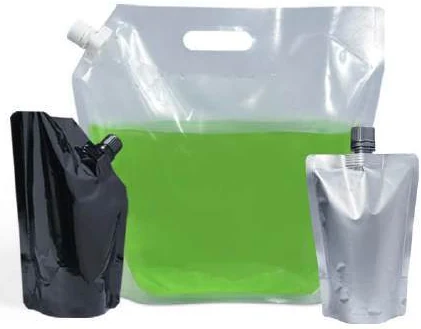
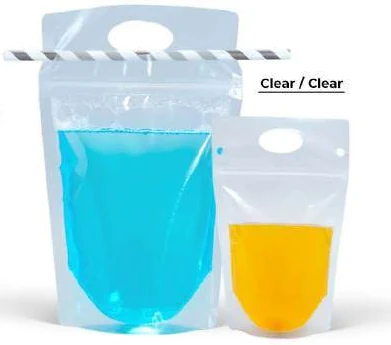
The catalogue includes spout pouches and beverage pouches with handles. These examples show different physical constructions; they are not interchangeable specifications. A fitted spout provides a controlled opening for dispensing. The reference range includes compact pouches and larger handled formats. Specify the product, fill volume, spout location and cap before developing the pouch shape; a corner spout and a top-centre spout require different layouts.
| Format reference | Material or construction to clarify | Details to include in the brief |
|---|---|---|
| Spout pouches | Flexible liquid-pack laminate with a fitted spout and cap; contact-layer and closure compatibility are reviewed for the formulation. | Fill volume and product viscosity; spout bore, position and cap. |
| Beverage pouches with handles | Transparent liquid-pack construction; contact layers and sealing requirements are reviewed for the beverage. | Beverage composition and fill volume; filling and final sealing method. |
Use the reference pictures to identify the base, side panels, window or opening that you mean. A picture cannot supply the missing dimensions or material layers. If a photograph shows a finish or closure you do not want, state that difference explicitly; otherwise a visual reference can introduce an unintended requirement.
Complete the record before requesting the next sample
- Attach a spout and opening requirement linked to the refill task. Identify the product or SKU and the date of the observation.
- Record the viscosity and consumer pouring action. Keep confirmed information separate from proposed values and questions for the supplier.
- Add the actual fill weight or volume, the dimension convention, material proposal and intended closure. Include the number of designs and quantity per design when requesting a quotation.
- State which question the next drawing, sample or quotation must resolve. A change of size, closure or material should remain visible alongside the earlier reference.
This record makes the next conversation specific. It lets the design, purchasing and packing teams work from the same proposed item and shows which decision still needs evidence. Review the related product pages for format details, or prepare a custom packaging brief with the unresolved requirements.
Put the decision into practice
1. Identify receiver variants. Give every bottle geometry its own reference instead of grouping by nominal capacity alone.
2. Agree the task. Use the brand-authorised refill sequence and define meaningful observations with the review team.
3. Compare real interfaces. Evaluate identified filled pouch assemblies with the intended receiving bottles and record stage-specific findings.
4. Control receiver changes. Link the accepted observations to bottle and pouch revisions so later changes prompt review.
Send Navkar Poly Print the bottle opening and shoulder drawings alongside your refill sequence when discussing a shampoo pouch.
Sources and scope.
These references support the technical discussion. Product photographs illustrate formats; the material, dimensions and suitability of the proposed pack are confirmed for each project.
- Cosmetics Europe: packaging information exchange
Primary industry guidance separates supplier information from the assessor responsibility; EU context does not establish Indian compliance.
- ZACROS: Flowpack NT tube refill pouch
Manufacturer relates its tube selection to contents and receiving-bottle opening; no claim Navkar makes this proprietary system.
Let’s discuss your product.
Share your contents, dimensions, filling method, quantity and delivery destination. We’ll work through the proposed packaging specification with you.
Create a packaging brief