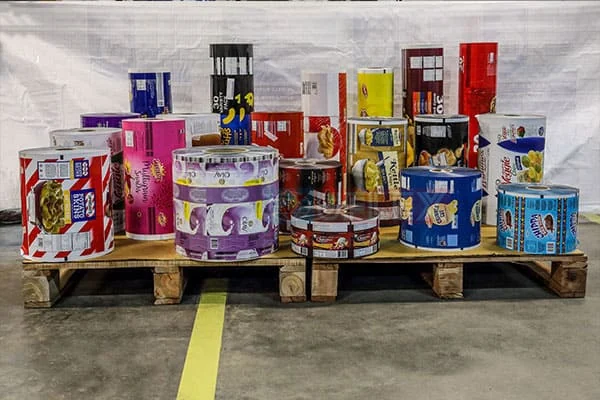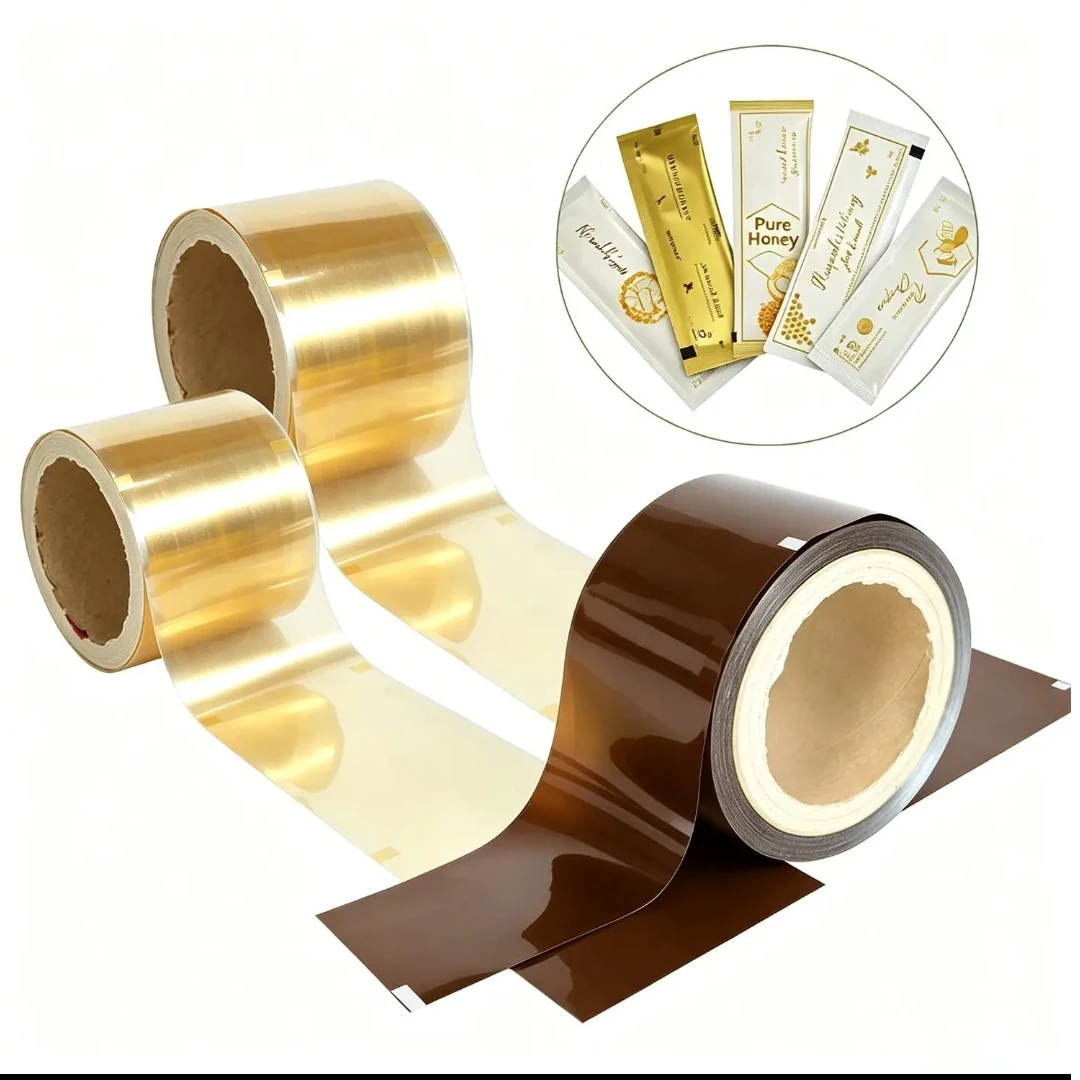
Prepare a vertical form-fill-seal trial around a named line, a defined product and an identified reel specification. The trial should resolve the specific forming, filling and closing questions that remain open. A general claim that a film is VFFS-compatible cannot replace evidence from the intended route. Buyers can improve the handover by collecting the right records without prescribing machine settings or operating procedures.
Collect the machine-facing requirements
Ask the line owner for its approved film requirements and the intended package configuration. Record web width, repeat, orientation and reel envelope through that source. Identify the forming arrangement and the intended seal paths on the finished-pack drawing. Do not assume all vertical systems accept the same films, sizes or package styles. If the line information is incomplete, list the open questions and ask the responsible equipment or technical team to resolve them before a trial reel is specified. This prevents the converter from having to guess the customer’s actual interface.
Include the real product behaviour
Record product form, target fill and relevant handling characteristics known to the team. Observe how the product enters and settles in the proposed package, using the site’s approved trial procedures. Keep the fill opening and final seal area in the review because a film that forms an attractive empty pack may behave differently during actual filling. Do not use an unrelated dry substitute to infer every product outcome without a technical basis. If a substitute or a different quantity is used, document why and limit the conclusions accordingly.

Agree what will be accepted
Define the required records and acceptance references before the run. The qualified team should select suitable checks, conditions and sample plan for the intended application. Capture material identity, package appearance, relevant dimensions, closure observations and interruptions in the agreed way. Keep supplier and line responsibilities visible when a concern appears. A trial record should distinguish an observed symptom from an assumed cause. If the team changes a condition during the exercise, identify the corresponding sample set so different results are not combined under one unexplained average.
Use a VFFS trial handover card
This card collects the information needed to scope and interpret the trial. It does not replace the site's machine instructions, technical test methods or operating approvals.
| Record | What to capture and how to use it |
|---|---|
| Named line and setup reference | Record equipment identity, package configuration and the applicable site setup record. Let the authorised line team manage operating parameters, while the purchasing file preserves enough reference information to interpret what was actually trialled. |
| Trial reel baseline | Record item, structure, artwork, repeat, unwind and reel references. Identify differences from the intended production order and ask the technical owner which questions those differences leave unresolved before the trial is treated as representative. |
| Product condition | Record the actual product form, proposed quantity and any approved substitute or variation. Link each observation to the condition used so a result from a different fill or product is not silently generalised. |
| Observation and evidence | List the forming, filling, registration and closing questions with the agreed evidence references. Record symptoms and sample identities before assigning causes, enabling the converter and line owner to investigate the same event. |
| Release scope | Record accepted conditions, required revisions and outstanding qualification work. Name the approval owner and link retained samples, then state which changes to product, line or material require another review before normal supply. |
Send the completed card to the converter and line owner before the trial. Both should understand which question the reel is intended to answer and which information must return afterwards to support a purchasing decision.
Illustrative limited trial result
A proposed film is trialled with one dry product at one fill quantity on a named vertical line. The team observes acceptable geometry under the documented conditions but identifies a separate closure question requiring investigation. Procurement records the geometry finding without marking the complete item approved. The converter and line owner receive the identified sample references and event record. A revised trial can then focus on the unresolved interface instead of repeating the entire exercise under several undocumented changes.
Syntegon supplies VFFS route context. IoPP/SPMC supports specification planning.
Identify what the vertical route must demonstrate
A vertical form-fill-seal trial should connect reel feeding, forming, product dosing and closing to the actual pack drawing. Ask the line owner to mark the relevant interfaces rather than beginning with a desired speed. The trial may need to examine product clearance, registration or formed geometry. Each question should have an agreed observation and an owner who can interpret the result.
Keep equipment identity and setup references clear. Syntegon's SVX documentation describes a particular machine platform. It cannot establish how an unrelated machine will handle a proposed web. Use the actual machine requirements to define the trial, with manufacturer or qualified site guidance where needed.
Record the product condition at dosing
Use representative product when the question concerns flow, pieces, dust or the way the filled body forms. State the product quantity and relevant condition available for review. A substitute can help answer a limited geometry question, but its differences need to remain visible. Do not transfer a clean substitute result automatically to a dusty or irregular commercial product.
Observe the transition from dosing to closure. Note whether product remains in the intended body region or reaches the closing area, and record the sequence when it does. This is evidence for investigation, rather than a reason to change machine settings informally. Ask the filling and closure owners to determine whether the next check concerns timing, geometry, product presentation or another factor.
Include start, routine running and restart
The beginning of a trial can involve loading, threading and alignment that differ from routine operation. Separate observations from these stages. Include a relevant restart or replenishment event if the agreed plan calls for it. A short stable segment shows what happened during that segment; it does not prove that every transition has been covered.
Record operator interventions with the sample references. If an operator manually straightens a web or reshapes a pack, the resulting specimen still has value, but its condition differs from unassisted production. The decision should explain whether the intervention is part of an approved routine, a temporary trial aid or an unresolved issue. This prevents the best sample from concealing how it was produced.
Compare observed output on a defined basis
An illustrative trial might create 200 packs, of which 180 are retained for the agreed review and 20 are recorded as setup or rejected units. The retained share is 180 divided by 200, or 90%. These invented numbers show a calculation only. They are not a production yield, acceptance threshold or expected machine result.
Identify how the team classified each group and which operating stage it came from. Do not combine setup material and routine rejects without explanation. The useful result is a traceable observation connected to the trial purpose. If the trial is intended to compare alternatives, use equivalent classification and observation conditions so a change in accounting does not appear to improve performance.
Translate the result into an item-specific decision
Review the accepted samples against the exact reel construction, width, repeat, unwind and drawing. A positive result for one combination does not automatically cover another printed sequence or material revision. State which evidence remains applicable and which changed interface needs another check. The release boundary should be understandable without asking the original operator to recall details.
If a problem remains, define the next question before ordering more trial material. Request the evidence needed to distinguish plausible causes, including event photographs, material identity and relevant site records. This makes the follow-up smaller and more useful than repeating an unchanged trial. The final brief should support a controlled decision about the proposed rollstock item on the named vertical route.
VFFS film brief: a practical specification example
A packing team receives a film quotation with a web width but no approved drawing. Before comparing prices, relate the film to one complete pack cycle and to the way the reel will be loaded. A change to the final pack can alter several reel parameters at once. Keep the drawing, artwork revision and reel specification together so a repeat order describes the same item.
For this decision, start with the forming route and longitudinal-seal position. The useful output is a drawing confirmed by the owner of the intended packing route. Put that output beside the relevant quotation, drawing or sample rather than leaving it in a separate email. This is an illustrative decision exercise, not a report of a completed customer trial.
Product references to make the discussion concrete
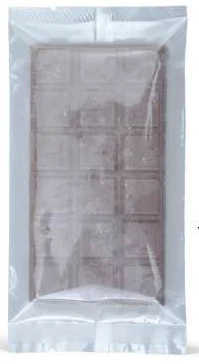
The catalogue includes chocolate and energy-bar wrappers and side-gusset pouches. These examples show different physical constructions; they are not interchangeable specifications. Compare clear and paper-look wrapper references around the actual bar dimensions. The wrapper must allow space for longitudinal and end seals as well as the product thickness. Supply the finished product envelope and intended wrapping route before setting the artwork repeat.
| Format reference | Material or construction to clarify | Details to include in the brief |
|---|---|---|
| Chocolate and energy-bar wrappers | Transparent or paper-look flexible wrapping construction; product-contact layer and sealant are specified for the contents. | Bar length, width and thickness; wrapping direction and print repeat. |
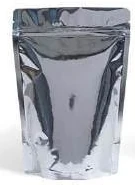
| Side-gusset pouches | Paper-look and opaque or foil-look laminates are illustrated; confirm the actual inner and outer layers for the contents. | Face width and side-gusset convention; filled height and headspace. |
Use the reference pictures to identify the base, side panels, window or opening that you mean. A picture cannot supply the missing dimensions or material layers. If a photograph shows a finish or closure you do not want, state that difference explicitly; otherwise a visual reference can introduce an unintended requirement.
Complete the record before requesting the next sample
- Attach a drawing confirmed by the owner of the intended packing route. Identify the product or SKU and the date of the observation.
- Record the forming route and longitudinal-seal position. Keep confirmed information separate from proposed values and questions for the supplier.
- Add the actual fill weight or volume, the dimension convention, material proposal and intended closure. Include the number of designs and quantity per design when requesting a quotation.
- State which question the next drawing, sample or quotation must resolve. A change of size, closure or material should remain visible alongside the earlier reference.
This record makes the next conversation specific. It lets the design, purchasing and packing teams work from the same proposed item and shows which decision still needs evidence. Review the related product pages for format details, or prepare a custom packaging brief with the unresolved requirements.
Turn the trial into a controlled item decision
Issue a release, revision or further-evidence decision against the trial baseline. Carry the approved drawing and material references into the order, and record any production condition that remains conditional. Reassess the relevant scope when product, structure, package geometry or equipment changes. A useful VFFS trial report makes the purchasing decision reproducible while leaving technical operation with the qualified site team.
Send the completed VFFS trial handover card with your product and filling details to Navkar Poly Print for a project-specific discussion. Ask for the proposed specification, evidence required and open questions to be recorded before quotation approval.
Sources and scope.
These references support the technical discussion. Product photographs illustrate formats; the material, dimensions and suitability of the proposed pack are confirmed for each project.
- Syntegon SVX vertical packaging
Primary equipment reference for vertical forming, filling and sealing; machine-specific claims are not transferred.
- IoPP/SPMC guide to writing rollstock specifications
Institute-hosted specification guide; medical-package context requires application-specific interpretation.
Let’s discuss your product.
Share your contents, dimensions, filling method, quantity and delivery destination. We’ll work through the proposed packaging specification with you.
Create a packaging brief