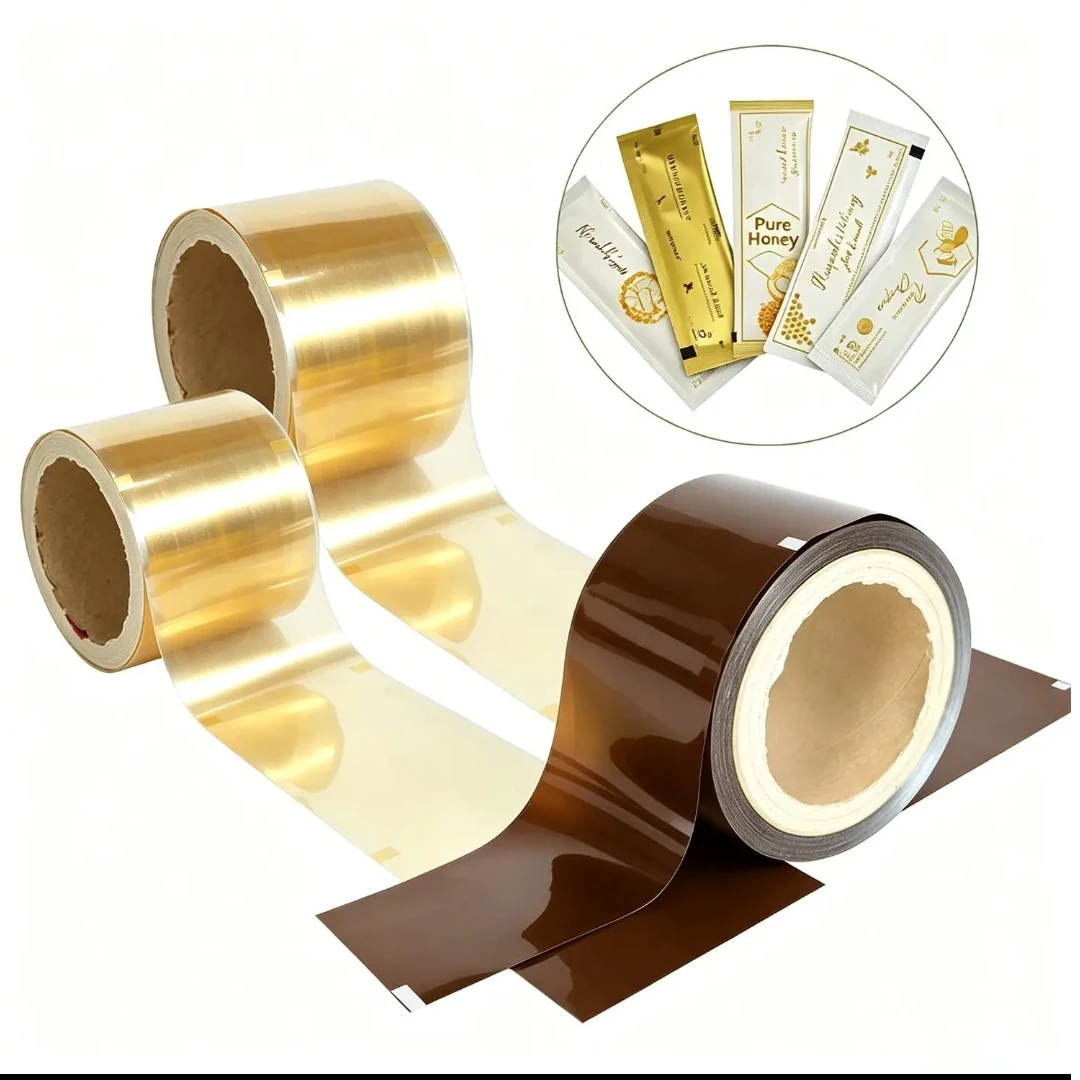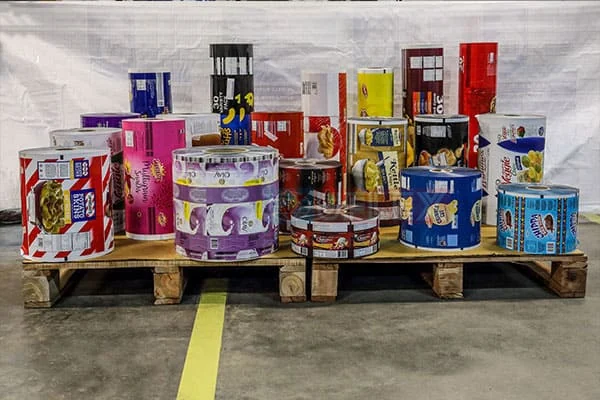
A useful reel label lets the receiving and packing teams identify exactly which material they have, which revision it represents and which supply record it came from. Design that identity chain before the order is dispatched. A product nickname is insufficient when several flavours, structures or artwork versions look similar. The objective is a label and record that remain connected through receiving, issue to the line and use.
Separate the identities that serve different jobs
An item code identifies the specification being bought. An artwork revision identifies the printed content. A supply batch and reel reference help locate the actual material received. These fields may be organised differently by different businesses, so agree the mapping rather than imposing unexplained codes. Ask the converter which references it can provide and the buyer’s site which it needs to retain. A single order can contain several reels, and a single design can exist in more than one material revision. The label must let staff distinguish those situations.
Agree where the information will survive
Discuss the identification provided on the reel, its protective packing and shipment documents. The receiving team should be able to inspect identity without losing the reference needed later. Agree how staff will record a label that becomes detached or damaged using the site’s normal procedures. Avoid inventing a physical label position that interferes with the machine or handling system. Include readable text alongside any internal digital identification unless the site’s agreed system provides an appropriate alternative. The human meaning of a code should be clear in the controlled item record.

Close the loop at the packing line
Record which reel references were issued and used for each packing batch according to the site’s traceability requirements. When a reel is partly consumed, preserve the connection between the remaining material and its original identity. Record quantity in the agreed unit and distinguish estimates from measurements. Do not assume kilograms, metres and pieces can be converted without a defined basis. If a defect is reported, the reel reference should connect the observed issue with the supplier’s shipment and the customer’s packing record, reducing the need to guess which delivery was involved.
Build a reel-identity chain
The following fields form a practical starting record. Agree the actual labels and system requirements between supplier and receiving site, then use the same meanings in the purchase order and incoming check.
| Record | What to capture and how to use it |
|---|---|
| Item and revision | Record the material item code and the controlled specification revision it represents. Include an understandable description so staff can distinguish similar products while still using the code to retrieve the exact approved requirements. |
| Artwork reference | Record the design or SKU and approved artwork revision. Link it to the item record, because familiar colours or product names cannot reliably distinguish an obsolete file from the current production version. |
| Batch and reel identity | Agree which supply-batch and reel references the supplier provides. Keep the relationship to shipment documents and the receiving record so an individual reel can be located without treating the entire order as one undifferentiated quantity. |
| Quantity basis | State the supplied unit and how remaining quantity is recorded after use. Identify any approved conversion basis and distinguish measured values from estimates so inventory reconciliation does not conceal differences between mass, length and accepted packs. |
| Use linkage | Record the packing batch or issue transaction associated with the reel. Preserve that link for part-used returns and complaints, following the site's procedures so original identity remains available after the outer shipment packaging is removed. |
Test the information flow with one sample receiving transaction and one part-used return record. This checks whether the label is understandable in the real workflow without claiming that a label alone establishes a complete traceability system.
Illustrative similar-artwork problem
A store has two visually similar film reels for the same flavour, one from an earlier artwork revision. The quantity ledger shows sufficient stock but does not distinguish the revisions. The buyer updates the identity chain so receiving and issue records capture the controlled item and artwork reference, then resolves the existing stock through the responsible approval process. The example shows why inventory quantity and inventory identity need separate fields; it does not assume that older material should automatically be used or discarded.
IoPP/SPMC supplies rollstock-specification context. Glenroy describes custom labelling and finishing.
Make each identifier answer one question
An item code identifies what was ordered. A revision identifies the agreed version. A batch identifies a manufacturing grouping, while a reel identifier distinguishes the physical unit being used. Artwork identity can add another necessary reference. Ask receiving and line staff which question each field answers so the label does not become a collection of unexplained codes.
Use visibly different field names and retain the human-readable form alongside any machine-readable code. A successful scan confirms only what the encoded data and system are designed to confirm. It cannot repair an incorrect relationship between item, artwork and reel. Agree the meaning of each field with the teams that will use it before deciding the label's appearance.
Preserve identity when outer wrapping disappears
Walk through receipt, unpacking, storage, line issue and return of unused material. At each point, ask which label remains and what the operator can still identify. If the only identity is on a discarded outer wrap, the chain ends before the reel is used. The project needs an agreed way to retain identity through the site's normal procedure.
Glenroy describes custom labelling and film slitting as finishing activities. This is direct manufacturer context for treating the label as part of the supplied reel arrangement. It does not establish a Navkar labelling system. Ask for the proposed fields, placement and example label as part of the actual supply agreement.
Test the label with a similar-artwork challenge
Choose two current designs that could be confused at a glance. Ask a receiving colleague to identify the correct item and revision using the proposed label and order reference. Then ask a line colleague to connect the reel to the intended product run. This is a practical comprehension check, rather than a claim about measured error rates.
If staff rely on an informal colour nickname, add a controlled identity field that resolves the distinction. Colour can remain a useful visual cue, but it should not be the sole authority for variant selection. A redesigned pack may share the old dominant colour while carrying different text. The label needs to distinguish the versions even when their appearance is deliberately similar.
Link quantity to the actual supply basis
State whether the labelled quantity is length, mass, estimated pack count or another agreed measure. If an estimate is used, identify it as such and record the basis. A purchasing team should not reconcile a mass quotation against an assumed exact pack count without understanding the conversion and any relevant allowances.
For an illustrative reel labelled 1,000 m with a nominal 200 mm repeat, simple division gives 5,000 nominal repeat intervals: 1,000 m divided by 0.2 m. That is not necessarily 5,000 saleable packs. Setup, splices, multiple lanes, sequence arrangements and actual conversion losses can affect usable output. Keep the nominal calculation separate from production reconciliation and avoid promising a fixed yield.
Use identity to make investigations narrower
When a trial event occurs, record the reel identifier with the event time and material position where available. The investigation can then ask whether the observation is associated with one reel, several reels in a batch or another condition. Without this link, a useful local observation can become an unsupported conclusion about all supplied material.
Retain the identity of returned or partly used reels through the site's procedure. Do not allow an unlabelled remainder to become routine stock merely because staff remember its design. Before approving the label, ask someone outside the original project to trace a sample reel to the current item and artwork references. Resolve the gaps revealed by that exercise before relying on the chain during an actual issue.
Print repeat: a practical specification example
A packing team receives a film quotation with a web width but no approved drawing. Before comparing prices, relate the film to one complete pack cycle and to the way the reel will be loaded. A change to the final pack can alter several reel parameters at once. Keep the drawing, artwork revision and reel specification together so a repeat order describes the same item.
For this decision, start with one complete artwork cycle and the end-seal zones. The useful output is the repeat length linked to the current artwork revision. Put that output beside the relevant quotation, drawing or sample rather than leaving it in a separate email. This is an illustrative decision exercise, not a report of a completed customer trial.
Product references to make the discussion concrete
The catalogue includes chocolate and energy-bar wrappers and side-gusset pouches. These examples show different physical constructions; they are not interchangeable specifications. Compare clear and paper-look wrapper references around the actual bar dimensions. The wrapper must allow space for longitudinal and end seals as well as the product thickness. Supply the finished product envelope and intended wrapping route before setting the artwork repeat.
| Format reference | Material or construction to clarify | Details to include in the brief |
|---|---|---|
| Chocolate and energy-bar wrappers | Transparent or paper-look flexible wrapping construction; product-contact layer and sealant are specified for the contents. | Bar length, width and thickness; wrapping direction and print repeat. |
| Side-gusset pouches | Paper-look and opaque or foil-look laminates are illustrated; confirm the actual inner and outer layers for the contents. | Face width and side-gusset convention; filled height and headspace. |
Use the reference pictures to identify the base, side panels, window or opening that you mean. A picture cannot supply the missing dimensions or material layers. If a photograph shows a finish or closure you do not want, state that difference explicitly; otherwise a visual reference can introduce an unintended requirement.
Complete the record before requesting the next sample
- Attach the repeat length linked to the current artwork revision. Identify the product or SKU and the date of the observation.
- Record one complete artwork cycle and the end-seal zones. Keep confirmed information separate from proposed values and questions for the supplier.
- Add the actual fill weight or volume, the dimension convention, material proposal and intended closure. Include the number of designs and quantity per design when requesting a quotation.
- State which question the next drawing, sample or quotation must resolve. A change of size, closure or material should remain visible alongside the earlier reference.
This record makes the next conversation specific. It lets the design, purchasing and packing teams work from the same proposed item and shows which decision still needs evidence. Review the related product pages for format details, or prepare a custom packaging brief with the unresolved requirements.
Approve the label with receiving staff
Ask the supplier and site to review the proposed fields before normal shipment. Record the accepted naming convention and document links. Revisit the arrangement if an item system, artwork naming method or packing site changes. A reel label earns its place when a person receiving a shipment or investigating a packing issue can use it to retrieve the correct evidence quickly.
Send the completed reel-identity chain record with your product and filling details to Navkar Poly Print for a project-specific discussion. Ask for the proposed specification, evidence required and open questions to be recorded before quotation approval.
Sources and scope.
These references support the technical discussion. Product photographs illustrate formats; the material, dimensions and suitability of the proposed pack are confirmed for each project.
- IoPP/SPMC guide to writing rollstock specifications
Institute-hosted specification guide; medical-package context requires application-specific interpretation.
- Glenroy custom finishing and slitting
Primary converter explanation of roll finishing; no claimed Navkar process details.
Let’s discuss your product.
Share your contents, dimensions, filling method, quantity and delivery destination. We’ll work through the proposed packaging specification with you.
Create a packaging brief