Investigate a rollstock trial by recording what happened, when it happened and which material and conditions were involved. A statement such as the film does not run is too broad to support a useful decision. Separate observable symptoms from possible causes, then let the converter and qualified line team agree the investigation. The buyer’s contribution is a clear event record and controlled follow-up, not improvised operating adjustments.
Describe the event in observable language
Record what staff saw: for example, a misplaced cut relative to a named reference, a visible wrinkle at an identified location or a specific interruption reported by the line team. Include the sample identity and a clear photograph where the site permits it. Avoid diagnostic labels unless the responsible team has established the cause. A symptom description should let another reviewer locate the same issue on the sample or record. Also capture where the material performed as expected; those boundaries help distinguish a recurring pattern from a single unexplained event.
Build a timeline with controlled references
Link each event to the reel, item revision, product and applicable site setup record. Record whether the event appeared at start-up, after a change or during an otherwise stable period, as observed by authorised staff. If conditions change, create a separate entry and sample set. Do not combine observations made under several undocumented adjustments into one overall verdict. Preserve the receiving and storage information where it may be relevant. The point is not to prove a preferred explanation, but to make alternative explanations reviewable against the same evidence.
Assign an investigation rather than a guessed fix
Send the event packet to the converter and line owner with a specific question. They may need dimensional checks, material information, equipment review or another controlled trial. Let the qualified parties select methods and operating actions. Track each proposed action, expected evidence and decision owner. Avoid changing material, artwork and line conditions simultaneously without an agreed rationale because the next result may be impossible to interpret. When a cause is supported, record the evidence and affected scope; when it remains uncertain, preserve that uncertainty and the next useful step.
Use a symptom-to-action event log
Use one entry for each distinguishable event or condition. The log becomes the common reference for the converter, packing site and buyer, reducing repeated requests for missing identity and context.
| Record | What to capture and how to use it |
|---|---|
| Observed symptom | Describe the visible or recorded event and identify its location on the web or package. Add photographs or samples where appropriate, using neutral wording that does not assume a material or machine cause before investigation. |
| Material identity | Record item, specification, artwork and reel references. Include the supplier shipment and receiving records needed to locate the material, so an investigation is not based on an anonymous sample from an uncertain delivery. |
| Trial context | Link product, quantity and the site's controlled setup reference to the event. Record the sequence of conditions through authorised staff, keeping each change and associated sample set distinct rather than combining all results into one unexplained judgement. |
| Evidence request | State the question to be resolved and the information requested from each responsible party. Let qualified teams choose technical methods, and record the expected decision so data collection remains connected to a useful action. |
| Action and verification | Record the agreed change, owner and verification plan, followed by the actual result. Keep the scope explicit and reopen the issue if evidence does not support the proposed cause or if the same symptom returns. |
Retain the original event and the later decision together. Replacing a symptom entry with a final explanation removes useful context and can make a future recurrence harder to compare with the earlier investigation.
Illustrative registration concern
A trial produces packs whose graphics appear misplaced relative to an agreed cut reference. The initial complaint says poor film. The event log adds the reel identity, artwork revision, photographs and the line team’s condition record. The converter and line owner can now compare the web layout, repeat and actual observations instead of debating a general judgement. The example does not identify the cause; it demonstrates how a better record creates a focused investigation and avoids an unsupported material rejection or acceptance.
IoPP/SPMC provides specification context. Syntegon identifies the equipment-route dimension.
Separate the symptom from the explanation
Write the first observation in words that another person could verify. “Printed mark moved relative to the intended cut over the observed sequence” is more useful than “bad registration”. “Web edge contacted the guide” is more useful than “poor film”. Record the physical event, its location and its timing before discussing possible causes.
Keep an explanation column beside the observation rather than mixing the two. A hypothesis can guide the next check, but it remains a hypothesis until evidence supports it. Include alternatives that the line and converter owners consider plausible. This avoids a trial record becoming an argument in which each organisation sees only the cause assigned to the other.
Build the timeline around actual changes
Mark loading, start-up, stable running, interruption, operator intervention and restart. Connect each retained sample or photograph to the relevant point. If a new reel, setup reference or product condition enters the sequence, record it. The timeline can then show whether the symptom began before or after the change without claiming that timing alone proves causation.
Ask for the records needed to reconstruct the event, rather than every document available. The useful set may include reel identity, approved drawing, relevant machine record and a short sample sequence. Preserve the original record and add later interpretations separately. An edited photograph with the wrong timestamp can be less helpful than a plain note made at the event.
Use the specification as a comparison reference
The SPMC rollstock specification guide identifies dimensions, winding and print relationships that can be made explicit in a rollstock specification. Use the project's current agreed fields to ask whether the observed material matches the intended interface. The guide does not diagnose a particular line fault or supply acceptance tolerances for this investigation.
Compare document values and physical observations through the agreed methods. If a measurement is needed, state the points, units and condition. If an approved field was never defined, record a specification gap rather than deciding retrospectively that either party failed it. The corrective action may include clarifying the interface as well as investigating the event.
Plan a discriminating next observation
Suppose an illustrative symptom appears after a restart but was absent in the preceding stable segment. The next question may concern the restart condition, material position or another recorded difference. Ask the qualified team what observation could distinguish these explanations. Repeating the entire trial without a focused question may create more samples without reducing uncertainty.
Where feasible, change one relevant factor and retain the comparison condition. If several changes are operationally necessary, document them together and limit the conclusion accordingly. The aim is practical diagnosis, not a claim that every shop-floor follow-up is a controlled experiment. Record what changed, what was observed and which explanation is supported or still open.
Close the action with a matching verification
An action is not verified merely because the next reel ran for a short period. Compare the verification with the original symptom and conditions. If the issue concerned a particular transition, include that transition in the agreed check. If it concerned a specific region of the web, retain evidence from that region rather than unrelated good samples.
Write a closing statement that identifies the accepted explanation, action and supporting evidence, or states what remains unresolved. Keep the scope proportional to the observation. One resolved event can improve the item specification or trial plan without proving that every future condition is covered. The finished log should let a reviewer follow the reasoning from symptom to evidence to action without relying on a guessed machine fix.
Rollstock quotation: a practical specification example
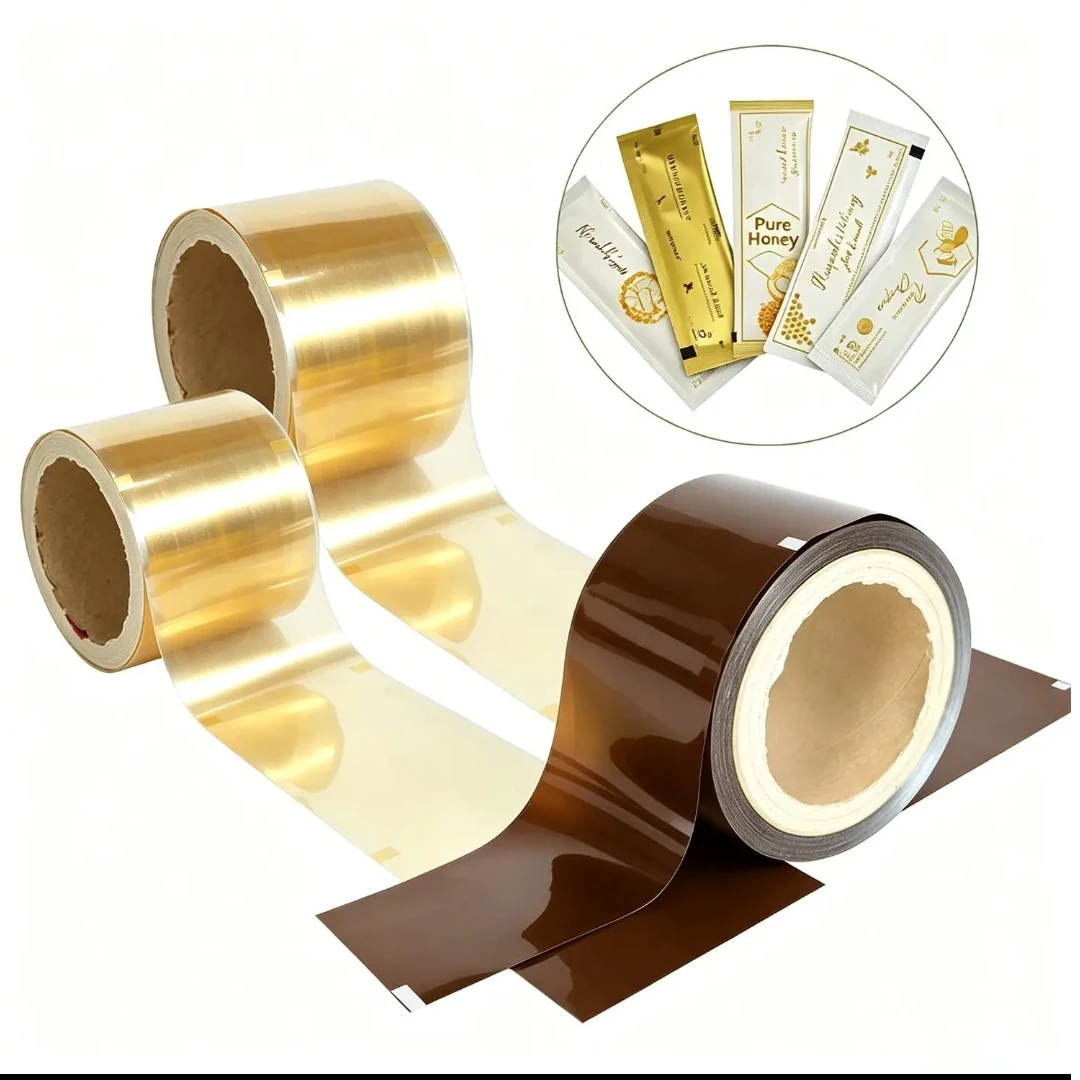
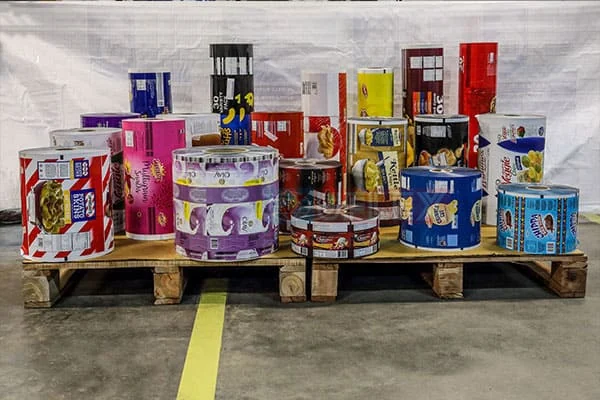
A packing team receives a film quotation with a web width but no approved drawing. Before comparing prices, relate the film to one complete pack cycle and to the way the reel will be loaded. A change to the final pack can alter several reel parameters at once. Keep the drawing, artwork revision and reel specification together so a repeat order describes the same item.
For this decision, start with the quoted unit, usable quantity and setup scope. The useful output is a comparable specification sheet attached to each quotation. Put that output beside the relevant quotation, drawing or sample rather than leaving it in a separate email. This is an illustrative decision exercise, not a report of a completed customer trial.
Product references to make the discussion concrete
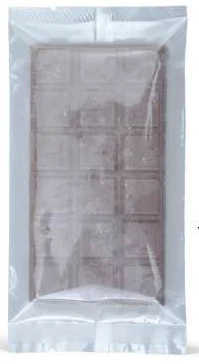
The catalogue includes chocolate and energy-bar wrappers and side-gusset pouches. These examples show different physical constructions; they are not interchangeable specifications. Compare clear and paper-look wrapper references around the actual bar dimensions. The wrapper must allow space for longitudinal and end seals as well as the product thickness. Supply the finished product envelope and intended wrapping route before setting the artwork repeat.
| Format reference | Material or construction to clarify | Details to include in the brief |
|---|---|---|
| Chocolate and energy-bar wrappers | Transparent or paper-look flexible wrapping construction; product-contact layer and sealant are specified for the contents. | Bar length, width and thickness; wrapping direction and print repeat. |
| Side-gusset pouches | Paper-look and opaque or foil-look laminates are illustrated; confirm the actual inner and outer layers for the contents. | Face width and side-gusset convention; filled height and headspace. |
Use the reference pictures to identify the base, side panels, window or opening that you mean. A picture cannot supply the missing dimensions or material layers. If a photograph shows a finish or closure you do not want, state that difference explicitly; otherwise a visual reference can introduce an unintended requirement.
Complete the record before requesting the next sample
- Attach a comparable specification sheet attached to each quotation. Identify the product or SKU and the date of the observation.
- Record the quoted unit, usable quantity and setup scope. Keep confirmed information separate from proposed values and questions for the supplier.
- Add the actual fill weight or volume, the dimension convention, material proposal and intended closure. Include the number of designs and quantity per design when requesting a quotation.
- State which question the next drawing, sample or quotation must resolve. A change of size, closure or material should remain visible alongside the earlier reference.
This record makes the next conversation specific. It lets the design, purchasing and packing teams work from the same proposed item and shows which decision still needs evidence. Review the related product pages for format details, or prepare a custom packaging brief with the unresolved requirements.

Close the issue with evidence
Issue a decision stating what was demonstrated, which material or conditions it covers and what remains unresolved. Attach the verification result to the action record. Update controlled specifications only when the evidence and approval support the change. A concise, well-identified event packet usually does more for a trial decision than a long complaint containing opinions but no sample references.
Send the completed symptom-to-action event log with your product and filling details to Navkar Poly Print for a project-specific discussion. Ask for the proposed specification, evidence required and open questions to be recorded before quotation approval.
Sources and scope.
These references support the technical discussion. Product photographs illustrate formats; the material, dimensions and suitability of the proposed pack are confirmed for each project.
- IoPP/SPMC guide to writing rollstock specifications
Institute-hosted specification guide; medical-package context requires application-specific interpretation.
- Syntegon SVX vertical packaging
Primary equipment reference for vertical forming, filling and sealing; machine-specific claims are not transferred.
Let’s discuss your product.
Share your contents, dimensions, filling method, quantity and delivery destination. We’ll work through the proposed packaging specification with you.
Create a packaging brief