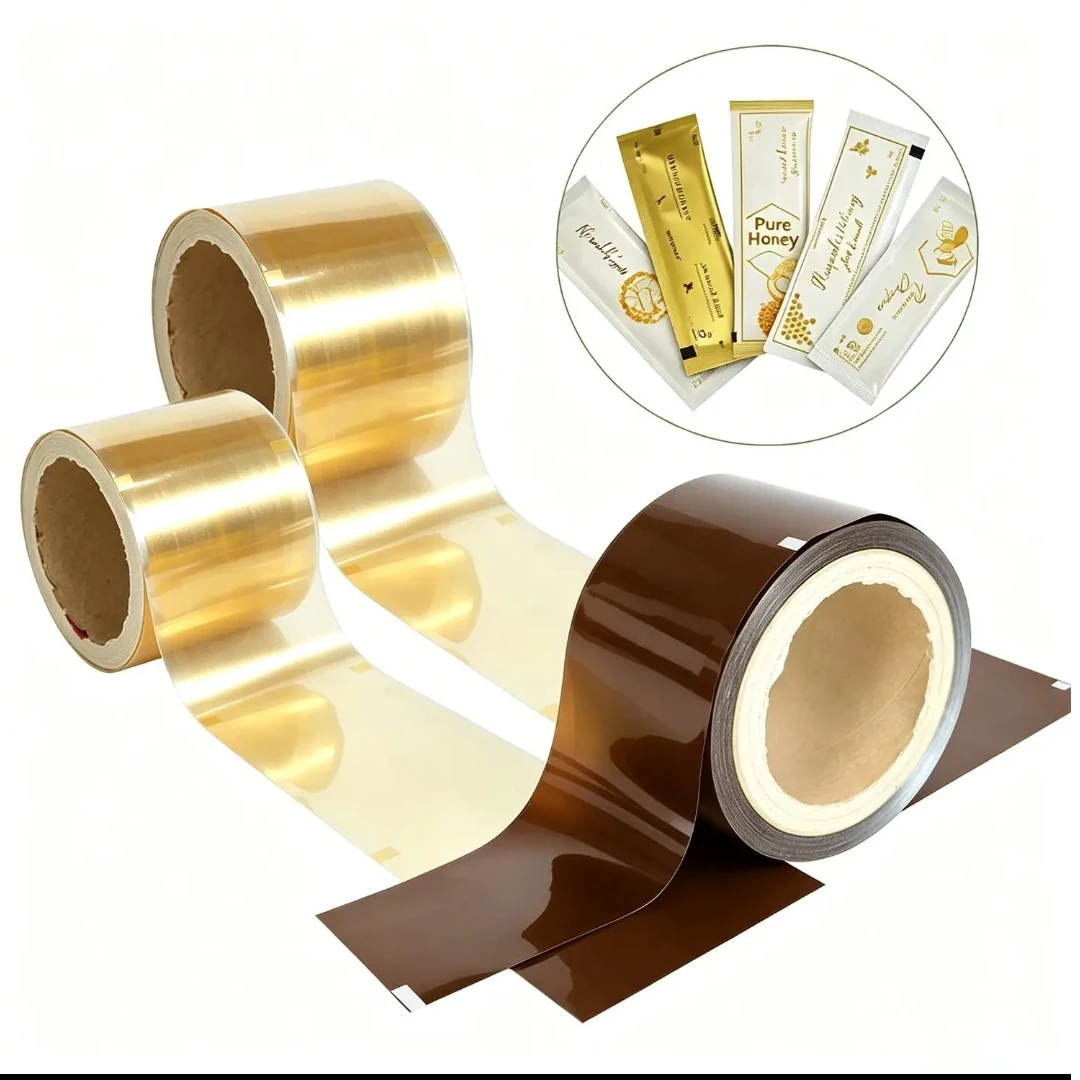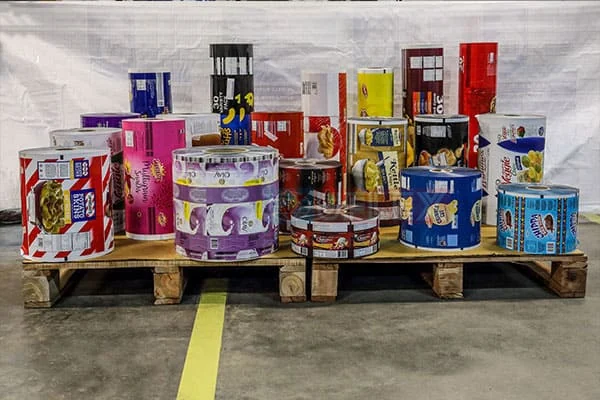
Agree rollstock splice requirements with the receiving line owner and converter before normal supply. A splice is an interface within the reel, so its acceptability depends on the receiving process and the agreed material requirements. Do not copy a maximum count, tape type or separation distance from an unrelated application. Create a splice agreement that makes the permitted arrangement, identification and response clear for the exact job.
Ask what the receiving operation needs
The line owner should identify whether splices are permitted and what information or configuration its process requires. Ask for a written requirement or an explicit technical decision if no standard exists. Include the material and application context. A requirement used for a different industry or equipment type may not be transferable. Procurement should coordinate the question but should not invent machine settings or an operating response. The converter can then state whether the proposed supply meets the requirement or needs an agreed deviation before production.
Define identification without ambiguity
Agree the record that will identify a splice to the receiving team and the information expected with each reel. Discuss whether the supplier can record the relevant count, position or other agreed reference and how that information will be communicated. Avoid vague promises such as all splices marked without specifying the shared meaning. Keep any physical marker or label subject to the receiving site’s requirements. It must not be assumed acceptable simply because it is standard practice at another supplier or because it is highly visible in a photograph.

Preserve the event in trial and production records
If a trial or production concern occurs near an identified splice, record the reel identity and observed event before assigning causation. The event may justify investigation, but proximity alone does not establish the cause. Use the site’s authorised process for material disposition and line operation. Ask the converter and line owner to compare the actual supply with the agreed interface. If a deviation is accepted for one delivery or trial, record its limited scope; an exception should not silently rewrite the normal specification for future orders.
Write a splice-interface agreement
The agreement below is a question register and controlled decision record. Technical details should come from the parties responsible for the receiving process and supplied material, not from generic purchasing assumptions.
| Record | What to capture and how to use it |
|---|---|
| Applicability | Identify item, construction and receiving route. Record the document or technical decision that establishes whether splices are permitted, so a requirement from a different product or machine cannot be transferred without an explicit review. |
| Permitted arrangement | Ask the responsible parties to define the acceptable configuration and any limits relevant to this job. Record the source and approval owner rather than inserting a universal tape, count or spacing rule into the purchase order. |
| Identification method | Agree the information and marking expected for each affected reel. Confirm how the receiving operation interprets it, including any physical-marker requirements, so the supplier's normal practice is not mistaken for a shared specification. |
| Reel documentation | Link splice information to the reel identity and shipment record. Include the agreed way of reporting deviations before use, enabling receiving staff and the line team to locate the same material and understand its status. |
| Disposition record | Record observed concerns, deviation requests and the authorised decision with scope. Preserve the distinction between one accepted exception and the normal supply requirement, and identify whether a repeat issue needs a specification or process review. |
Review the agreement during the first handover and whenever the receiving route changes. The useful result is a shared, auditable interface, not a long specification containing limits that nobody has established for the actual line.
Illustrative unagreed normal practice
A converter marks reel joins according to its normal system, while the customer’s line team expects a different form of identification. The buyer does not assume either system is wrong universally. It asks the parties to compare the actual reel and receiving requirements, then records the agreed method for future supply. Any existing material is handled through the authorised site review. The lesson is to agree the interface early and distinguish a communication mismatch from a proven material or machine defect.
IoPP/SPMC provides specification context. Glenroy describes roll finishing to customer requirements.
Specify the machine-facing splice question
A splice joins portions of web, but the receiving operation needs more than the statement that splices may occur. Ask whether the line can detect and handle the proposed arrangement, what identification it needs and which product or material disposition follows. These requirements belong to the actual equipment and site procedure. The enquiry should capture them before the supplier adopts its normal practice.
The SPMC rollstock guide treats splices as a distinct specification topic. It is a medical-packaging white paper, so its context should not become a universal food-packaging rule. Its useful purchasing lesson is that splice presence, arrangement and identification should be agreed explicitly rather than hidden inside a general roll description.
Describe the arrangement with a drawing
Ask the supplier to show the proposed join, including the web faces and direction of travel. Identify any relevant tape or joining material through the agreed specification. The line owner can then assess the interface using an actual description. A phrase such as “standard splice” is inadequate if each organisation means a different geometry or identification method.
Record whether the arrangement affects a printed repeat or registration sequence. A splice can interrupt the continuity expected by a downstream operation, but the consequence depends on the actual layout and machine. Show the relationship rather than assuming every splice must produce the same event. Keep the agreed handling or rejection procedure with the receiving reference.
Make identification survive the delivered reel
Clarify how a splice is identified before and during use. A mark on the reel edge, information on the label and a detectable web feature serve different purposes. Ask which are required by the site and how staff verify them. Do not rely on a label claim alone if the line needs a different detection interface during operation.
Check the proposed identification on a representative reference under the agreed review. Record what the receiving or line colleague could actually identify. A colour described informally can be interpreted differently, especially if other marks appear on the web. Use a drawing or sample reference to make the feature unambiguous, with its meaning connected to the site procedure.
Retain the event in the trial record
When a splice passes through a trial, note the reel identity, observed location or time and the actual line response. Record whether the expected identification worked and what happened to the affected material. A successful uninterrupted segment elsewhere on the reel does not answer the splice-handling question. Conversely, an event near a splice should be investigated before assigning all subsequent symptoms to it.
Use the trial to confirm the agreed interface, not to improvise a machine response. If the site must stop, segregate or otherwise manage material, its qualified owner should define that action. Retain the relevant records and sample identity so the converter and filler can review the same event. Avoid prescribing tape, settings or manual interventions from a generic guide.
Reconcile the agreement after supply changes
If another supplier proposes a different splice arrangement, compare the physical interface and identification rather than accepting the same name. Ask whether the existing receiving and line evidence covers the change. A different mark or joining method can affect the site's procedure even if the film construction remains unchanged.
At order review, state the permitted arrangement and documentation clearly. At receipt, use the agreed check and exception route. During use, retain the actual event linkage where required. This closes the chain between purchasing, supply and operation. The goal is a predictable, reviewable interface, with the receiving site's requirements visible before material is manufactured and with no assumed universal limit on splice count or configuration.
Reel trial: a practical specification example
A packing team receives a film quotation with a web width but no approved drawing. Before comparing prices, relate the film to one complete pack cycle and to the way the reel will be loaded. A change to the final pack can alter several reel parameters at once. Keep the drawing, artwork revision and reel specification together so a repeat order describes the same item.
For this decision, start with the trial reel identity and representative product. The useful output is a record connecting observations to the exact reel specification. Put that output beside the relevant quotation, drawing or sample rather than leaving it in a separate email. This is an illustrative decision exercise, not a report of a completed customer trial.
Product references to make the discussion concrete
The catalogue includes chocolate and energy-bar wrappers and side-gusset pouches. These examples show different physical constructions; they are not interchangeable specifications. Compare clear and paper-look wrapper references around the actual bar dimensions. The wrapper must allow space for longitudinal and end seals as well as the product thickness. Supply the finished product envelope and intended wrapping route before setting the artwork repeat.
| Format reference | Material or construction to clarify | Details to include in the brief |
|---|---|---|
| Chocolate and energy-bar wrappers | Transparent or paper-look flexible wrapping construction; product-contact layer and sealant are specified for the contents. | Bar length, width and thickness; wrapping direction and print repeat. |
| Side-gusset pouches | Paper-look and opaque or foil-look laminates are illustrated; confirm the actual inner and outer layers for the contents. | Face width and side-gusset convention; filled height and headspace. |
Use the reference pictures to identify the base, side panels, window or opening that you mean. A picture cannot supply the missing dimensions or material layers. If a photograph shows a finish or closure you do not want, state that difference explicitly; otherwise a visual reference can introduce an unintended requirement.
Complete the record before requesting the next sample
- Attach a record connecting observations to the exact reel specification. Identify the product or SKU and the date of the observation.
- Record the trial reel identity and representative product. Keep confirmed information separate from proposed values and questions for the supplier.
- Add the actual fill weight or volume, the dimension convention, material proposal and intended closure. Include the number of designs and quantity per design when requesting a quotation.
- State which question the next drawing, sample or quotation must resolve. A change of size, closure or material should remain visible alongside the earlier reference.
This record makes the next conversation specific. It lets the design, purchasing and packing teams work from the same proposed item and shows which decision still needs evidence. Review the related product pages for format details, or prepare a custom packaging brief with the unresolved requirements.

Carry the decision into the order
Reference the agreement in the rollstock specification and ask the supplier to identify deviations before shipment. Make the record accessible to receiving and line staff. If an exception is needed, record the item, reels, reason and approval rather than using an informal instruction to accept as usual. This keeps the purchasing record useful without prescribing how people should operate machinery.
Send the completed splice-interface agreement with your product and filling details to Navkar Poly Print for a project-specific discussion. Ask for the proposed specification, evidence required and open questions to be recorded before quotation approval.
Sources and scope.
These references support the technical discussion. Product photographs illustrate formats; the material, dimensions and suitability of the proposed pack are confirmed for each project.
- IoPP/SPMC guide to writing rollstock specifications
Institute-hosted specification guide; medical-package context requires application-specific interpretation.
- Glenroy custom finishing and slitting
Primary converter explanation of roll finishing; no claimed Navkar process details.
Let’s discuss your product.
Share your contents, dimensions, filling method, quantity and delivery destination. We’ll work through the proposed packaging specification with you.
Create a packaging brief