Keep a tea, coffee or spice packing changeover traceable by recording the product, packaging and artwork identities before and after the change. Use the operation's approved release procedures for product carryover and readiness. The packaging record should make the sequence clear without inventing cleaning, hygiene or safety instructions.
Define the scope of the change
Record whether the operation is changing product, flavour, quantity, packaging construction, artwork or several items together. Identify actual references rather than broad descriptions such as red masala or coffee pack. If only artwork changes, state that explicitly; if formulation changes, keep the product owner's review visible.
Ask the responsible operation which approved procedures govern product carryover and line release. Follow those procedures through its authorised staff. This article's record is a packaging coordination tool, not a sanitation method or food-safety control plan.
Separate the change into controlled identities
List the previous and next finished product, component and complete artwork. Add the relevant variable-code template and order references where the operation uses them. A change can affect one identity or several; the record should show which rather than treating every event as a new flavour.
Keep operational readiness under the authorised site's procedures. Packaging coordination can confirm which reference should be loaded, but it cannot replace the quality team's release or determine whether a cleaning action is adequate.
The Codex code on food-allergen management identifies this as a distinct food-business control area. Where applicable, the responsible team should assess formulation and label implications through its programme. This packaging bridge is an identity aid, not an allergen-control procedure or a claim of compliance.
For an illustrative change, the product can remain unchanged while artwork moves to a corrected revision. Another change may introduce a different formulation in a similar pouch. Those events need different owner decisions even when the physical stock looks alike.
Connect the packing route to the component
Identify the actual equipment route and technical owner. FLtècnics distinguishes rollstock and premade-pouch routes. Record the delivered component accordingly, including the relevant reel or pouch identity and approved artwork.
Keep packaging stock status visible. Old and new printed components can look similar when only a small product detail changes. Record how the operation identifies and controls remaining stock through its established system. Do not rely on colour alone to distinguish product identity.
Reconcile component stock before the next instruction
Identify remaining printed components by actual reference and release state. Keep previous, current and held stock distinguishable through the site's controlled system. Colour alone is unreliable when a correction affects only back-panel copy or a small symbol.
Record whether the component is a reel or premade pouch, with its relevant identity and approved artwork. The delivered format changes what the packing operation receives and verifies. Do not use an ambiguous phrase such as new film where the quotation and operating route require a more specific reference.
An illustrative reconciliation might find the correct new pouches available but an older complete artwork listed on the purchasing schedule. Resolve the authoritative reference before release rather than asking the packing operator to choose between conflicting documents.
Keep stock disposition with the accountable business and technical owners. A physical quantity is not automatically authorised for use. Procurement should record the resulting instruction and effectivity without inventing a use-up period or overriding a quality hold to consume paid stock.

Use a three-identity bridge
| Identity | Previous approved reference | Next approved reference | Confirmation |
|---|---|---|---|
| Product | Finished product and formulation ID | Actual next product ID | Product release owner |
| Packaging | Drawing, structure and component ID | Released next component | Packaging and packing owners |
| Artwork | Complete file and SKU revision | Approved next file | Artwork and content owners |
| Readiness | Applicable operational record | Required next-product release | Authorised operation |
| First accepted pack | Previous retained reference | Identified next-product sample | Defined release check |
This original bridge makes a multi-part change visible. A completed artwork check should not be mistaken for operational release, and operational readiness should not imply that the correct printed component has been loaded.
Plan what the first accepted reference demonstrates
Use the operation's approved release process to identify the first accepted next-product pack. Confirm product, quantity, component, artwork and variable information against the released next state. Keep each field distinct so a correct front design does not hide an obsolete code template.
Ask the responsible technical owners to assess relevant closing or process questions. The packaging bridge can link the reports but should not invent their criteria. Record the actual acceptance owner and reference rather than implying that an editorial checklist completes technical approval.
An illustrative discrepancy could show the right product and pouch with a code identifying the previous commercial SKU. The bridge reveals the mismatch because variable information has its own reference. The authorised operation decides the required action and product disposition.
Retain the identified first accepted reference as required by the site. Later routine checks should compare against the same next state. An unlabelled sample from the change interval can otherwise become an unreliable model for subsequent production.
Check the first next-product pack
Through the operation's approved process, verify the product and component identities, quantity, variable-code task and complete pack against the next-product references. Have the responsible technical owners assess closure or process questions. Retain the identified reference needed for routine checking.
The FICSI spice technician facilitator guide provides sector training context. Its general content does not replace the actual site's approved procedures or release authority. Keep the applicable local records and owners explicit.
Describe unexpected material without diagnosing from appearance
Record the sample, stage, location and visible event through the established escalation route. If material identity is unknown, say so. A colour resemblance can prompt investigation but does not prove that the previous product remains present.
Keep product observations separate from packaging-file mismatches. Unexpected powder and an incorrect printed description can occur together or independently. Each needs the relevant owner, evidence and decision.
For an illustrative record, a visible speck in an identified first-run sample may require product-quality assessment, while an obsolete text panel requires artwork and stock reconciliation. Do not collapse both into a single component defect or release them based on one photograph.
Record what was retained and any examination or disposition reference issued by authorised staff. The packaging team should preserve the link between observation and decision. It should not prescribe cleaning chemicals, contact times, sampling limits or food-safety release instructions from a general online article.
Record carryover observations factually
If unexpected visible material or another product-identity concern is observed, record the stage, pack identity and event through the operation's established escalation process. Do not diagnose the cause or disposition from a photograph. The authorised product and quality teams must assess it using their procedures.
For an illustrative documentation issue, the correct next-product pouch may be used while a batch-code template still refers to the previous SKU. The bridge catches the mismatch because product, artwork and variable identification are checked as linked but distinct records.
Close the bridge with one authoritative next state
Reconcile the approved product, component, complete artwork and variable-information references. Link operational readiness and first accepted sample under the site's actual procedure. Keep unresolved fields open instead of allowing one completed approval to stand for the whole change.
State the treatment of remaining old stock and the effectivity of the next combination. Procurement and the supplier need the current component instruction, while operational carryover decisions remain with the authorised site. The bridge makes that handover explicit.
If construction or quantity changes, identify the impact on earlier fit, use and technical evidence. A product-only change and a component change can require different review. Retain the accountable decision and its reason.
At repeat order, use the released combination rather than a previous purchase description. The history can retain old references, but the active schedule should point clearly to the next state. This prevents a completed changeover from being reversed later through an obsolete artwork attachment or ambiguous instruction to repeat the usual pouch.
Ingredient storage: a practical specification example
A tea, coffee or spice buyer needs a material and closure brief as well as a visual style. A coffee valve is separate from a zipper; a paper-look surface is separate from the inner structure; a sachet is separate from a larger repeat-use pack. Start with the product form and use pattern, then compare the required opening and the printed panel that remains available.
For this decision, start with the proposed material and product storage conditions. The useful output is the open technical questions resolved before the repeat order. Put that output beside the relevant quotation, drawing or sample rather than leaving it in a separate email. This is an illustrative decision exercise, not a report of a completed customer trial.
Product references to make the discussion concrete
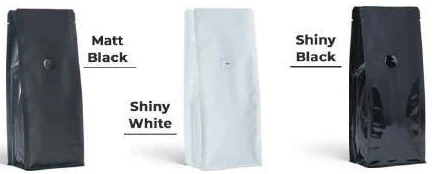
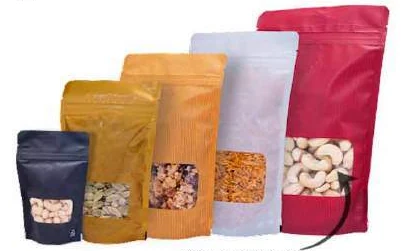
The catalogue includes coffee pouches with valve and kraft paper pouches. These examples show different physical constructions; they are not interchangeable specifications. A degassing valve and a reclosable zipper serve different purposes. Choose the pouch geometry first, then specify the valve position, zipper and final top seal as separate features. Stand-up, side-gusset and flat-bottom examples help compare panel area and shelf footprint.
| Format reference | Material or construction to clarify | Details to include in the brief |
|---|---|---|
| Coffee pouches with valve | Paper-look or opaque flexible laminate with an optional degassing valve; the complete barrier structure is specified for the coffee and storage brief. | Coffee form and intended fill; packing interval after roasting. |
| Kraft paper pouches | Kraft or paper outer with a product-specific inner construction; paper appearance does not establish a plastic-free composition. | Paper colour and surface preference; full layer structure and thickness. |
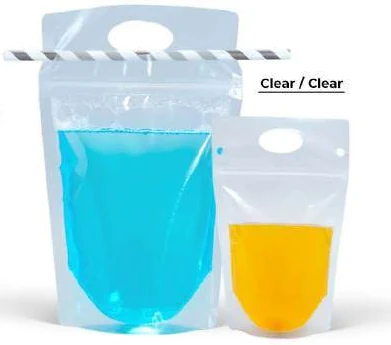
Use the reference pictures to identify the base, side panels, window or opening that you mean. A picture cannot supply the missing dimensions or material layers. If a photograph shows a finish or closure you do not want, state that difference explicitly; otherwise a visual reference can introduce an unintended requirement.
Complete the record before requesting the next sample
- Attach the open technical questions resolved before the repeat order. Identify the product or SKU and the date of the observation.
- Record the proposed material and product storage conditions. Keep confirmed information separate from proposed values and questions for the supplier.
- Add the actual fill weight or volume, the dimension convention, material proposal and intended closure. Include the number of designs and quantity per design when requesting a quotation.
- State which question the next drawing, sample or quotation must resolve. A change of size, closure or material should remain visible alongside the earlier reference.
This record makes the next conversation specific. It lets the design, purchasing and packing teams work from the same proposed item and shows which decision still needs evidence. Review the related product pages for format details, or prepare a custom packaging brief with the unresolved requirements.
Release the change as a complete decision
Record the approved next state, remaining old-stock status, first accepted sample and responsible release owners. Keep unresolved items visible and prevent a repeat order from referring to an obsolete combination. If construction changes, identify any earlier technical evidence that needs renewed review.
Send Navkar Poly Print the packaging-relevant bridge fields and active file references when a new product or artwork version is planned. Keep operational carryover and line-release decisions with the authorised operation, while giving the supplier one clear next-product component specification.
Sources and scope.
These references support the technical discussion. Product photographs illustrate formats; the material, dimensions and suitability of the proposed pack are confirmed for each project.
- FLtècnics: spices, coffee and tea pouch machinery
Differentiates rollstock HFFS and premade-pouch HFS routes for these product categories.
- FICSI: Spice Processing Technician facilitator guide
Current official facilitator-guide resource provides sector training context; it does not replace site-specific procedures or approve a pouch.
- Codex codes of practice: food-allergen management
Official code inventory identifies allergen management as a distinct food-business control area; no operational procedure or compliance finding provided.
Let’s discuss your product.
Share your contents, dimensions, filling method, quantity and delivery destination. We’ll work through the proposed packaging specification with you.
Create a packaging brief