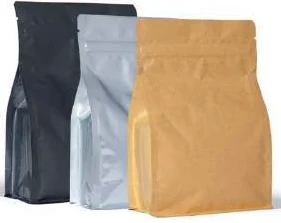
Approve a pouch sample against named requirements and an exact sample identity. A short "approved" message is incomplete when the sample represents only appearance, approximate fit or a construction that differs from the proposed commercial pack.
Identify what is on the table
Record sample code, drawing, dimensions, structure, components, artwork and production stage as applicable. Ask the supplier to identify intentional differences from the proposed order. If the sample is a stock example, keep that status visible even when its size looks close.
Link the sample to the intended product and filling route where relevant. The person approving graphic layout may not be responsible for product-pack assessment or final closure. Separate those decisions rather than asking one signature to imply every requirement is accepted.
Use requirement-specific evidence
ASTM's packaging standards catalogue lists distinct measurement methods. Select relevant work and acceptance criteria through competent technical review; do not treat a method name as a universal pass limit.
For each requirement, state accepted, open or rejected, then add the evidence and limitation. A measured size can support dimensional review without establishing barrier, compatibility or transport performance. Record additional evidence needed rather than stretching a convenient sample beyond its purpose.

Make approval usable for the order
Connect the accepted sample to the released specification and artwork references. GS1's traceability standard links identities with supply-chain events. Your approval file likewise needs a reliable identity chain from reviewed sample to ordered item, even if it uses a simpler internal reference system.
Write the approval question before reviewing the sample
List the requirements the current decision covers and identify the owner of each. Appearance, construction, filling interface and application evidence can have different reviewers and different completion states. A useful sample review begins with those questions visible. Otherwise people may sign the same object while meaning different things, leaving procurement unable to determine whether commercial production has actually been released.
Describe the intended product and route only to the extent needed for the review. Identify the relevant specification and its status. If the team is still selecting a construction, label the candidate as proposed rather than treating it as the baseline. The review can legitimately choose a direction while leaving later questions open. The important point is to state what that choice authorises and what it does not settle.
Compare the sample with the proposed commercial assembly
Create a row for each relevant difference: material, component, dimensions, printing, opening, production stage or another identified feature. Record intended production and actual sample side by side. Ask the supplier for missing identity information before interpretation. An item that looks close to the intended pouch may still represent a different construction. Similarity is an observation; evidence applicability needs the competent owner's decision.
If the sample has already been handled, filled, cut or evaluated, record that history. It may remain useful for a particular observation while no longer representing the untouched supplied condition. Label photographs with the sample reference and state. Do not reuse one photograph to represent a later sample with the same appearance but another construction. A clear identity chain makes partial evidence useful instead of forcing every sample into a final approval role.
Map evidence to the actual property
A property result should identify the object and method it concerns. For example, ASTM F88/F88M-23 concerns separation force and failure mode for a strip containing a seal. It is not a general statement that a complete pouch has no leaks or will provide a particular shelf life. Ask the technical reviewer what requirement a supplied report can support and retain that interpretation alongside the report.
Use the same discipline for observations. A filled photograph can help assess panel visibility, while an accepted loading observation addresses its defined contents and procedure. Neither should silently close an unrelated barrier or product-contact question. The approval matrix should name the requirement, evidence reference, reviewer interpretation and limits. This gives later buyers a usable explanation of why a requirement is accepted rather than a collection of reports whose relevance must be guessed.
Record partial decisions without ambiguity
Use requirement states such as accepted within stated scope, open or rejected, accompanied by the responsible decision. If a row is conditional, specify the condition and the evidence needed to close it. Avoid a green overall status that conceals unresolved prerequisites. The project summary should make it clear whether the next authorised step is another sample, a specific evaluation or an accepted production release.
In the existing illustrative printed mock-up, the brand accepts layout while the body is still a stock construction. Preserve that result as layout acceptance against its identified artwork. The final construction sample receives another code and addresses the remaining questions. The later review should reference the earlier accepted decision where applicable, rather than overwrite it. This makes development cumulative while keeping each conclusion tied to the object that supported it.
Separate information receipt from approval
Record when reviewers receive the sample and documents, but do not treat their acknowledgement as technical acceptance. A recipient may confirm quantity and identity before beginning the review. If a response is missing, follow the agreed project route rather than assuming silence means approval. Procurement and B2B heads can review the business decision while the relevant technical questions remain assigned to competent owners.
If reviewers disagree, record the requirement and evidence behind each view. Ask the authorised decision owner to resolve the issue through the buyer's procedure. Do not combine several signatures into a majority vote unless that is actually the accepted governance process. A disagreement about the sample's relevance may require more information rather than a preference decision. Preserve the resolution and its limits in the matrix.
Connect the outcome to order references
Before bulk release, compare the accepted sample record with the current drawing, component list, artwork and SKU scope. Identify any change since review. Ask whether the earlier evidence remains applicable and record the owner's rationale. A new filename or a latest drawing should not silently replace the configuration that was actually evaluated. The order should state the exact references covered by the release.
Give purchasing a concise release summary with accepted requirements, open conditions and authorisation status. Keep the detailed evidence in the linked file. Receiving and inspection teams need the accepted references relevant to their roles, not merely a forwarded approval email. This preserves the meaning of the decision as the project moves from development into supply.
Maintain the baseline after approval
Retain the sample under the buyer's accepted reference procedure and mark later supersession clearly. If a reorder changes construction, product or use conditions, route the affected requirements for review rather than extending the earlier approval automatically. The value of a sample approval is the defined connection between identity, evidence and decision. Preserving that connection is more useful than collecting an unqualified signature that cannot explain what was accepted.
Illustrative partial approval
Imagine a printed mock-up with the intended artwork but a stock body construction. The brand can accept layout for its stated scope while the technical team leaves construction and application questions open. Record both decisions and the sample's differences. When the final construction sample arrives, use a new code and review the remaining requirements rather than overwriting the first approval. The purchasing owner should see whether bulk production is authorised, conditionally pending or still open. This prevents a design acceptance from becoming an unintended instruction to produce an unassessed pack.
A working record for this decision
Use this original worksheet with your product and supplier team. Give each row a named owner and evidence reference; a blank answer remains an open decision.
| Record | What to enter and why |
|---|---|
| Sample identity | Record code, drawing, construction, components, artwork and production-stage references. |
| Intended use | Identify product, filling route and application scope relevant to the review. |
| Requirement decisions | List accepted, open or rejected status for each requirement with responsible reviewer. |
| Evidence and limits | Attach observations or reports and record what the sample cannot demonstrate. |
| Order release | State whether the accepted evidence authorises the proposed order and which revisions apply. |
Sample approval: a practical specification example
A sample looks acceptable, but the approval record must explain what was actually checked. Keep the current drawing and material proposal with the sample identity. A photograph can show a window, zipper or outline; it cannot establish an unmeasured performance result. Record the product, conditions and acceptance question so another team member can understand the limits of the observation.
For this decision, start with the sample identity and agreed acceptance questions. The useful output is the observations attached to the exact drawing revision. Put that output beside the relevant quotation, drawing or sample rather than leaving it in a separate email. This is an illustrative decision exercise, not a report of a completed customer trial.
Product references to make the discussion concrete
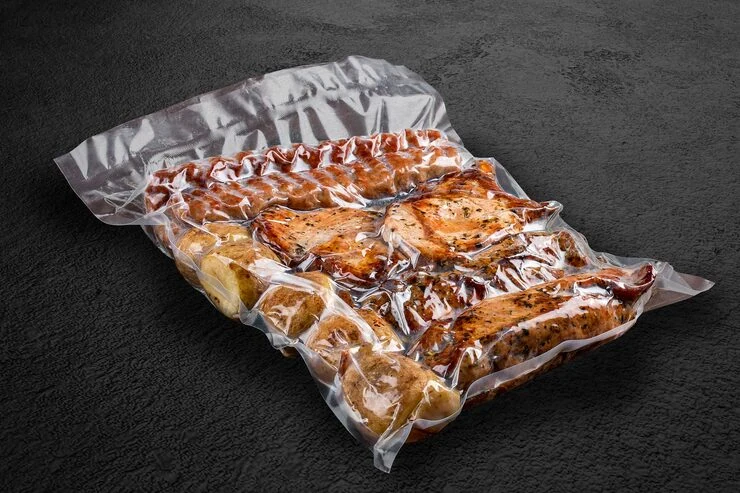
The catalogue includes vacuum packaging bags and window pouches. These examples show different physical constructions; they are not interchangeable specifications. Vacuum bags are specified around the product shape, evacuation route and final seal. Start with the usable opening and finished pack dimensions rather than the empty bag alone. Sharp corners, moisture in the seal area and product movement need particular attention during sample review.
| Format reference | Material or construction to clarify | Details to include in the brief |
|---|---|---|
| Vacuum packaging bags | Clear or opaque flexible vacuum-bag construction; layer structure, thickness and surface requirements are confirmed for the packing method. | Product shape, edges and fill weight; usable opening and final seal band. |
| Window pouches | A transparent window combined with paper-look or opaque flexible panels; confirm the full structure and product requirements. | Window width, height and location; product visibility at full and low fill. |
Use the reference pictures to identify the base, side panels, window or opening that you mean. A picture cannot supply the missing dimensions or material layers. If a photograph shows a finish or closure you do not want, state that difference explicitly; otherwise a visual reference can introduce an unintended requirement.
Complete the record before requesting the next sample
- Attach the observations attached to the exact drawing revision. Identify the product or SKU and the date of the observation.
- Record the sample identity and agreed acceptance questions. Keep confirmed information separate from proposed values and questions for the supplier.
- Add the actual fill weight or volume, the dimension convention, material proposal and intended closure. Include the number of designs and quantity per design when requesting a quotation.
- State which question the next drawing, sample or quotation must resolve. A change of size, closure or material should remain visible alongside the earlier reference.
This record makes the next conversation specific. It lets the design, purchasing and packing teams work from the same proposed item and shows which decision still needs evidence. Review the related product pages for format details, or prepare a custom packaging brief with the unresolved requirements.
Put the decision into practice
1. Identify the sample. Confirm what it is and where it differs from the proposed commercial assembly.
2. Assign the requirements. Give appearance, dimensions, process and application decisions to appropriate reviewers.
3. Record scoped acceptance. Link each accepted requirement to evidence and retain unresolved limitations.
4. Connect to purchase. Issue a clear release status with the exact specification and artwork references.
Send Navkar Poly Print the sample approval matrix so accepted requirements and outstanding evidence are clear before commercial release.
Sources and scope.
These references support the technical discussion. Product photographs illustrate formats; the material, dimensions and suitability of the proposed pack are confirmed for each project.
- ASTM: paper and packaging standards catalogue
Standards owner lists distinct measurement methods; method selection and acceptance limits need technical agreement.
- GS1: Global Traceability Standard
Primary standards source connects identities and shipment/receipt event records; this article offers an original simplified buyer worksheet.
- ASTM F88/F88M-23: Seal Strength of Flexible Barrier Materials
Public scope identifies separation force and specimen failure mode for a seal-containing strip; not a whole-pack leak or shelf-life guarantee. Official indexed scope obtained; direct open timed out.
Let’s discuss your product.
Share your contents, dimensions, filling method, quantity and delivery destination. We’ll work through the proposed packaging specification with you.
Create a packaging brief