Define a packaging sample order by the questions it must answer and the differences it may have from production. A stock pouch, visual mock-up, printed proof and production-representative sample have different uses; none should be accepted through an unexplained "sample approved" reply.
Start with the decision
List whether you need to review appearance, dimensions, content fit, printing, filling interface or a specific technical requirement. Ask the supplier which sample route it proposes and what that route can demonstrate. Let the competent application team define tests and acceptance for product-related questions.
BOBST identifies distinct processing stages. A sample made through a different route may be useful, but its limits need recording. Do not infer final construction or performance from an attractive development mock-up.
Write down the sample deliverables
Record quantity, material and component identities, printing status, dimensions, drawing revision and any intentional differences. Ask for charges, delivery scope and the approval needed before additional work begins. Keep sampling commercial terms separate from a future bulk order unless the accepted offer explicitly connects them.
Name the people receiving and reviewing samples. If the pack goes to a contract filler, supply the right contacts and references so it does not arrive as an unidentified bag. Keep sample custody and any destructive evaluation in the plan.
Make acceptance specific
Use a decision row for each requirement, with result, evidence and limitations. ICC's trade-term reference concerns selected transport responsibilities; the sample order must still say what is sent and who pays the agreed charges. Do not assume a sample quote includes later production tooling, shipping or trials.
Buy a defined evidence deliverable
Start the sample request with the decision that is currently blocked. A sample to choose a silhouette has a different deliverable from one intended for a line-interface review. Name the question, responsible reviewer and evidence needed. Ask the supplier what sample it proposes and why it can address that question. A clear sample order avoids paying for a polished object that cannot resolve the actual development decision.
Separate stock examples, visual mock-ups, construction samples, printed proofs and production-representative samples in the request. The terms need the supplier's definition because their exact meaning can vary. For each proposed route, record materials, components, dimensions, printing and how it is made insofar as relevant to interpretation. Do not assume that a sample called final is representative of every aspect of the intended supply.
List differences before the review starts
Create a differences table with intended production, proposed sample, reason for difference and affected question. A temporary component may be acceptable for visual layout while making a fitment evaluation irrelevant. A hand-made outline may be useful for a contents-envelope discussion while leaving production geometry unresolved. Ask the technical owner to determine the implications. The table makes partial evidence usable without presenting it as complete approval.
Send the table to reviewers with the sample. If differences are discovered only after observation, record them before interpreting the result. Photographs should carry the sample reference and state. A visually similar replacement should not be introduced during the review without updating its identity. Otherwise results from several constructions can accumulate under one informal sample name and become difficult to use for a later purchase decision.
Define the commercial sample scope
Ask the offer to state quantity, deliverables, included revisions, preparation, accessories, packing and dispatch. Record which files or physical items the buyer receives at completion. If a sample charge is credited against a future order, obtain the actual conditions rather than assuming the credit is automatic. If no credit is offered, compare the sample purchase on the value of its defined evidence task.
State what payment authorises and what remains conditional. A development purchase may authorise identified samples without releasing bulk production. Ask who can approve additional work if the brief changes. A designer's request for another version can have a commercial consequence, so connect the change to an authorised instruction. Keep the revised deliverable and charge in the same record rather than treating it as an informal extension of the original sample order.
Plan quantity around the review task
Ask each reviewer how many samples its approved evaluation needs and whether those samples will remain available afterwards. Some observations may consume or alter the specimen. Separate dispatch quantity from retained quantity and the quantity allocated to each review. Do not recommend a universal sample count. The appropriate quantity depends on the method, purpose, construction and competent review plan.
For an illustrative allocation, label the available specimens by sample code and allocate named groups to appearance, fit and the technical team's selected evaluation. Keep the retained reference identified separately. If one group is unavailable after evaluation, record that fact. A later team should not expect the original set to remain intact or interpret a modified specimen as the supplied condition. This allocation is about custody and evidence, not a prescribed test sample size.
Prepare the receiving and review instructions
Give each recipient the sample identity, drawing, differences table and the exact questions assigned to it. Ask for observations in a consistent format: requirement, method or observation context, evidence reference, result and limits. Do not require every recipient to sign a broad approved label. A line team can report an unresolved opening interface while the brand reviewer accepts the appearance; both are legitimate states of the same development project.
If samples go to a contract filler, confirm the authorised recipient and delivery site before dispatch. Include a manifest and request acknowledgement of identity and quantity. Receipt is not technical acceptance. Record missing documents or damaged samples before evaluation proceeds. The detailed dispatch process belongs in the multi-co-packer trial-kit plan; the sample purchase scope should still define what the buyer commissioned and what each recipient is meant to assess.
Decide the next purchase from the findings
After review, classify requirements as accepted within scope, unresolved or requiring a changed candidate. Link each decision to its evidence. If a sample differs from the production proposal in a relevant way, identify the further evidence needed. Do not repeat the whole sample order automatically. Commission the next stage for the remaining question, preserving what the existing evidence legitimately supports.
An illustrative stock pouch may establish that the approximate contents envelope deserves further development, while its missing closure prevents closure assessment. The next purchase can request an identified candidate with the proposed closure and the agreed construction references. This makes development cumulative. It also prevents an early fit observation from being described later as full production acceptance simply because no one recorded its limits.
Retain a purchase and evidence history
Keep the sample offer, authorised brief, delivered identities, observations and decisions together. Record what changed between stages and why. This gives the buyer a clear account of the evidence obtained for its development spend. It does not create a certification, a validated process or a guarantee of application suitability. The useful outcome is a specific resolved decision and a defined route for the questions still open.
Illustrative sample-purpose exercise
For a new pouch, a stock sample might help review approximate size while a labelled construction sample supports a more specific fit discussion. Give them separate codes and accepted uses. If the stock sample lacks the proposed zipper or spout, keep that difference visible in the observation sheet. A successful contents fit does not approve the missing feature or final material. Purchasing can then commission the next sample for a specific unresolved question rather than repeating a general sample request and hoping it settles the entire project.
A working record for this decision
Use this original worksheet with your product and supplier team. Give each row a named owner and evidence reference; a blank answer remains an open decision.
| Record | What to enter and why |
|---|---|
| Sample purpose | List the appearance, fit, printing, process or technical questions to be addressed. |
| Sample identity | Record drawing, construction, component, printing and production-stage references. |
| Intentional differences | State where the sample differs from the proposed commercial pack and the impact on interpretation. |
| Commercial deliverables | Confirm quantity, charges, shipping, timing and what further paid work requires approval. |
| Review plan | Name reviewers, methods, acceptance responsibilities and sample custody requirements. |
Sampling brief: a practical specification example
A quotation becomes comparable only when each supplier is answering the same brief. Send the format, dimensions, proposed construction, closure, artwork count, quantity per design and destination together. If one element is undecided, identify it as an open question. Keep samples, setup charges and repeat quantities separate so the lowest-looking unit price does not conceal a different scope.
For this decision, start with the exact question the sample must answer. The useful output is a sample request with dimensions and review purpose. Put that output beside the relevant quotation, drawing or sample rather than leaving it in a separate email. This is an illustrative decision exercise, not a report of a completed customer trial.
Product references to make the discussion concrete
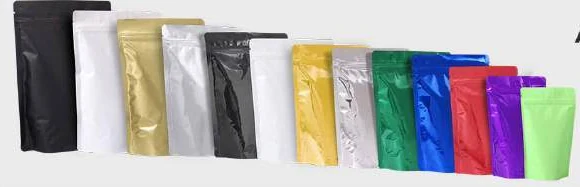
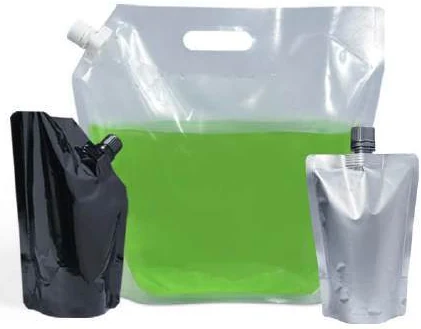
The catalogue includes flat-bottom pouches and spout pouches. These examples show different physical constructions; they are not interchangeable specifications. A box-style base gives the filled pack a distinct footprint, with separate front, back and side panels. Compare a plain top opening with a regular zipper, and use filled samples to decide the shelf depth and panel proportions.
| Format reference | Material or construction to clarify | Details to include in the brief |
|---|---|---|
| Flat-bottom pouches | Flexible laminate with paper-look or opaque outer options; the appearance alone does not identify the full layer structure. | Base width and full opened depth; net fill and product bulk. |
| Spout pouches | Flexible liquid-pack laminate with a fitted spout and cap; contact-layer and closure compatibility are reviewed for the formulation. | Fill volume and product viscosity; spout bore, position and cap. |
Use the reference pictures to identify the base, side panels, window or opening that you mean. A picture cannot supply the missing dimensions or material layers. If a photograph shows a finish or closure you do not want, state that difference explicitly; otherwise a visual reference can introduce an unintended requirement.
Complete the record before requesting the next sample
- Attach a sample request with dimensions and review purpose. Identify the product or SKU and the date of the observation.
- Record the exact question the sample must answer. Keep confirmed information separate from proposed values and questions for the supplier.
- Add the actual fill weight or volume, the dimension convention, material proposal and intended closure. Include the number of designs and quantity per design when requesting a quotation.
- State which question the next drawing, sample or quotation must resolve. A change of size, closure or material should remain visible alongside the earlier reference.
This record makes the next conversation specific. It lets the design, purchasing and packing teams work from the same proposed item and shows which decision still needs evidence. Review the related product pages for format details, or prepare a custom packaging brief with the unresolved requirements.
Put the decision into practice
1. Prioritise the questions. Choose the next unresolved decision rather than asking for an undefined final sample.
2. Agree deliverables. Have the supplier identify the sample type, references and differences in writing.
3. Review within scope. Keep observations and accepted requirements linked to the actual sample identity.
4. Specify the next step. Commission further evidence only for remaining questions and record what is already accepted.
Tell Navkar Poly Print which decision the sample must support and ask for its proposed deliverables and limitations before commissioning it.
Sources and scope.
These references support the technical discussion. Product photographs illustrate formats; the material, dimensions and suitability of the proposed pack are confirmed for each project.
- BOBST: flexible packaging processing
Equipment manufacturer identifies distinct printing and converting processes; no Navkar machinery or commercial limits implied.
- ICC Digital Library: Incoterms questions and answers
Standards owner explains allocation of selected transport costs and risks. Exact agreed contract still controls other commercial terms.
Let’s discuss your product.
Share your contents, dimensions, filling method, quantity and delivery destination. We’ll work through the proposed packaging specification with you.
Create a packaging brief