A Sri Lankan packaging buyer should qualify a supplier against the intended product, filling operation and complete supply arrangement. The same disciplined review can be used for a local converter or an India-origin proposal, while import and receiving responsibilities need their own confirmation. A catalogue, certificate image or attractive sample is not a complete approval record.
Verify the actual supply identity
Record the contracting company, manufacturing site, sample contact and commercial contact. Ask which relevant stages are performed by that supplier and which are handled by partners. Keep the actual production route visible so that a visit, technical question or complaint can reach the responsible party.
Local alternatives exist. Varna's published product and company information and its Export Development Board profile provide examples of the established supplier landscape. These references are context for comparison, not an endorsement or evidence that any proposed pack has been approved.
Match evidence to the proposed application
Describe the product, filling conditions, intended storage and use after opening. Supply the drawing, required closure and artwork revision. Ask the technical owner what documents and trial evidence are relevant to the complete proposed pack.
When a supplier provides a document, check what entity, site, material, test conditions and validity it actually covers. A general company certificate should not be treated as a test report for a particular pouch. Likewise, a report for a different structure or intended use may leave an application question unresolved. Record the gap and request clarification.

Distinguish the sample stages
An existing stock sample can explain shape or dimensions. An artwork proof can support a print review. An application sample can support only the agreed trial scope. Name the purpose of each submission and keep its identity connected to the technical record.
Define who can accept the sample and what constitutes acceptance. Retain an identified reference after approval. If the material, closure, dimensions, artwork or filling operation changes, ask the technical owner which checks need to be revisited rather than assuming the earlier approval remains complete.
| Approval area | Evidence or decision | Record owner |
|---|---|---|
| Supplier identity | Entity, actual site and process route | Procurement |
| Application | Product, filling, storage and complete pack proposal | Technical team |
| Samples | Purpose, identity, observations and acceptance | Named trial decision owner |
| Commercial offer | Quantity basis, exclusions and validity | Procurement and commercial team |
| Import and receiving | Current requirements and assigned responsibilities | Importer and appointed specialists |
Begin with the supplier and requirement boundary
Identify the contracting entity, relevant production site and supplied work. Ask which processes and components the candidate actually offers for the enquiry. Separate a manufacturer, distributor and sales contact where their roles differ. The buyer needs an accountable route for the proposed supply, not merely a familiar company name. Keep those facts in the qualification matrix before assessing samples or commercial attractiveness.
Define the intended application, supplied format, drawing, artwork and required evidence with the responsible owners. A local supplier and an imported proposal can be assessed against that common requirement while retaining their different delivery and import responsibilities. Do not turn country of origin into a technical approval criterion. The offered pack and its evidence must support the actual product and process question.
Evaluate documents through identity and scope
For certificates, declarations and reports, record issuer, holder, relevant site, dates and scope as applicable. Verify claims through the appropriate source and preserve the result. A genuine document can still address another activity or material. A company certificate and a particular pouch test report are different evidence. Ask the competent reviewer what each closes in the current requirement matrix.
Keep missing or inaccessible information visible with an owner. Do not infer a laboratory's scope, a supplier's certification or a report's result from a logo or cover page. Where confidential technical information is needed, arrange an authorised exchange. Procurement can track the question without placing restricted detail in a widely circulated commercial table. The outcome should identify evidence reviewed, not simply documents received.
Define sample decisions and reviewer responsibilities
Give each sample a code and record construction, drawing, artwork and differences from the proposed commercial pack. State its purpose and the person or function responsible for the decision. A stock sample may support a format discussion while an identified project candidate addresses another question. Avoid a broad sample-approved status that conceals which construction or requirement was actually considered.
Procurement and direct B2B heads can review the business recommendation and its unresolved conditions. Specialist technical conclusions still need competent ownership appropriate to the application. Do not create a fictional expert biography or imply departmental review has already occurred. The record is credible when it shows actual evidence, decisions and limits, including technical review still pending where that is the true state.
Treat import verification as another linked workstream
For an imported candidate, identify the importer and appointed specialists early. Ask them to establish the actual construction and goods description for current procedural review. The Sri Lanka Trade Information Portal provides an official commodity-information entry point. Its search facility does not choose a classification or grant approval for a generic pouch; the appointed parties must confirm applicability for the actual shipment.
Record the source and date of relevant confirmations with their scope. Keep document, tariff and receiving questions separate where different owners decide them. Do not assign a universal code, rate or exemption from a format name. An official starting page is useful, while the actual requirement still needs the construction, route and authorised assessment that make it applicable.
Compare commercial scope after identifying the candidate
Use quantity by design, accepted proposed specification, packing and full destination to obtain an offer. Separate recurring supply, project charges and delivery items as the quotation allows. Keep unknown costs open. Local and imported candidates should receive the same technical question and their own actual delivery enquiry. A complete domestic delivery scope should not be compared with an imported subtotal as though the responsibilities were equivalent.
Record quote validity, payment and schedule dependencies. A technically promising candidate may remain commercially incomplete, and an attractive offer may await application evidence. Show both states. The buyer can decide whether to proceed to another development stage without describing the supplier as fully approved for production. A scoped next action is more useful than forcing all evidence into a single score.
Resolve the illustrative spout-pouch gap
Identify the visually acceptable sample and the general certificate separately. Request the controlled assembly reference and relevant product and filling brief. Ask the technical owner which information is needed for its decision. A preferred appearance can remain recorded without implying construction or application acceptance. If the supplier proposes a revised component or material, assign another candidate and preserve the earlier observations with their actual identity.
Continue the commercial and import workstreams with those references. If the candidate changes, ask their owners what information needs updating. Do not treat an old shipment quote or document description as automatically applicable to a new assembly. The qualification record should connect all workstreams through the candidate identity while keeping each decision's authority and evidence distinct.
Issue a usable qualification statement
State supplier identity, accepted work, applicable conditions, open actions and the authorised next step. Keep reasons and evidence retrievable. At reorder or a changed application, compare the new scope with that boundary. The useful checklist produces a decision for a defined requirement, with local-market context and import responsibilities understood, rather than a broad assertion that a catalogue product is suitable for every Sri Lankan buyer.
An illustrative qualification gap
Suppose a supplier submits a visually acceptable spout pouch and a general company certificate. The buyer's proposed product and filling conditions have not been reviewed, and the sample has no linked structure revision. The submission can inform a format discussion, but it does not yet justify a production approval.
Request the controlled pack proposal, identify the sample and ask the technical owner to define the required evidence. Continue the commercial comparison in parallel, keeping the technical decision open. If the supplier proposes a revision, assign a new reference so that observations do not become mixed between samples. This is an illustrative decision exercise, not a claim about any actual Sri Lankan supplier.
Regional repeat order: a practical specification example
A buyer is deciding how location affects a packaging purchase. Begin with the required product and specification, then compare communication, sampling, dispatch and delivery as separate practical questions. A nearby supplier does not automatically remove an unresolved material or artwork issue. A distant supplier does not establish a freight disadvantage until the actual shipment scope is compared.
For this decision, start with the current specification and next delivery. The useful output is a reorder reference that remains usable across locations. Put that output beside the relevant quotation, drawing or sample rather than leaving it in a separate email. This is an illustrative decision exercise, not a report of a completed customer trial.
Product references to make the discussion concrete
The catalogue includes courier bags and side-gusset pouches. These examples show different physical constructions; they are not interchangeable specifications. Courier mailers close with an adhesive flap. Size the usable cavity around the actual item or inner pack, keeping the flap allowance separate. An invoice or POD document pocket can be included in the enquiry; confirm its dimensions and location on the drawing.
| Format reference | Material or construction to clarify | Details to include in the brief |
|---|---|---|
| Courier bags | Flexible mailing-bag film with an adhesive flap; polymer type, opacity and thickness are project specifications. | Item or inner-carton dimensions; usable height excluding the flap. |
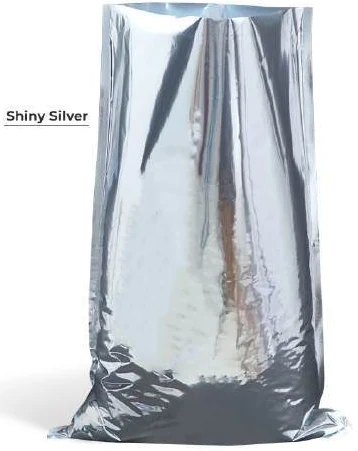
| Side-gusset pouches | Paper-look and opaque or foil-look laminates are illustrated; confirm the actual inner and outer layers for the contents. | Face width and side-gusset convention; filled height and headspace. |
Use the reference pictures to identify the base, side panels, window or opening that you mean. A picture cannot supply the missing dimensions or material layers. If a photograph shows a finish or closure you do not want, state that difference explicitly; otherwise a visual reference can introduce an unintended requirement.
Complete the record before requesting the next sample
- Attach a reorder reference that remains usable across locations. Identify the product or SKU and the date of the observation.
- Record the current specification and next delivery. Keep confirmed information separate from proposed values and questions for the supplier.
- Add the actual fill weight or volume, the dimension convention, material proposal and intended closure. Include the number of designs and quantity per design when requesting a quotation.
- State which question the next drawing, sample or quotation must resolve. A change of size, closure or material should remain visible alongside the earlier reference.
This record makes the next conversation specific. It lets the design, purchasing and packing teams work from the same proposed item and shows which decision still needs evidence. Review the related product pages for format details, or prepare a custom packaging brief with the unresolved requirements.
Complete the supply arrangement
For a local delivery, confirm the actual shipment and receiving scope. For an imported proposal, add the importer, shipment facts, current procedural review and responsibility boundaries. Use the official Sri Lanka Customs importing information as the current starting point for the appointed parties. Do not infer a universal duty code, rate or exemption from a packaging description.
Close the qualification with an explicit status: approved for the defined requirement, further evidence required, sample revision requested or commercially deferred. Keep the reason and supporting records. A useful approval explains what has been accepted, which conditions apply and what change would reopen the review.
When requesting a supplier discussion, send the application, drawing, quantity by design, sample requirements and receiving details. Ask for open questions to be recorded rather than replacing them with a broad claim that the product is suitable for Sri Lanka.
Sources and scope.
These references support the technical discussion. Product photographs illustrate formats; the material, dimensions and suitability of the proposed pack are confirmed for each project.
- Varna flexible packaging Sri Lanka
Evidence of an established local packaging supplier and format competition; supplier statements are their own claims.
- Sri Lanka Export Development Board Varna profile
Public manufacturer profile; useful market context, not evidence of Navkar delivery economics.
- Sri Lanka Customs import information
Official starting point for the importer to verify current customs procedures; no tariff classification or rate is assumed.
- Sri Lanka Trade Information Portal: Commodity Trade Information
Official search entry point for commodity/HS-based measures; importer must establish actual classification and current applicability. No automatic code,rate or approval inferred.
Let’s discuss your product.
Share your contents, dimensions, filling method, quantity and delivery destination. We’ll work through the proposed packaging specification with you.
Create a packaging brief