Sourcing food packaging pouches from India for a Sri Lankan buyer should begin with an application review and a complete delivered quotation. Compare the imported proposal with suitable local alternatives using the same specification and acceptance requirements. A supplier's country of origin is one part of the decision, not evidence that the pack will fit the filling process or cost less overall.
Recognise the local alternatives
Sri Lanka already has flexible packaging manufacturers. Varna presents local converting and pouch formats, and the Export Development Board lists its manufacturer profile. Their published positioning shows that an India-origin offer needs a specific buying reason rather than a general claim that the market lacks suppliers.
Useful reasons to investigate an alternative include a particular format requirement, a repeat artwork programme or a technical proposal that the buyer wants to compare. Verify the proposed advantage through samples and quotations. Do not assume availability, minimum quantities or supplier capacity from a catalogue description.
Give the supplier an application brief
Describe the food, intended fill weight or volume, filling method and expected storage conditions. Supply the pouch drawing or an identified existing sample. State the required opening, closure, display arrangement and artwork status. Ask the buyer's technical owner which material and application evidence must support the proposed pack.
If the order is printed rollstock rather than finished pouches, provide the packing-line requirements. Keep that enquiry separate from a premade-pouch comparison. Similar printed artwork can conceal very different delivery formats and filling responsibilities.
Separate samples from the bulk order
Agree which samples are available, what they demonstrate and what still needs a product trial. Record whether a sample is an existing format reference, an artwork proof or a proposed application sample. These are not interchangeable approval stages.
Identify the person who can accept the trial and retain a controlled reference. A sample that demonstrates dimensions or appearance does not by itself prove food-contact suitability, filling compatibility or shelf life. Record the exact scope of any technical evidence supplied.
| Decision | Record to create | Condition before proceeding |
|---|---|---|
| Supplier comparison | Local and India-origin proposals on one requirement | Equivalent specification and quantity basis |
| Technical review | Application and evidence matrix | Responsible technical owner resolves suitability |
| Sample approval | Identified sample, trial and retained reference | Written acceptance for the defined use |
| Commercial route | Complete shipment quotation | Included charges and receiving scope understood |
| Import review | Importer and specialist confirmations | Current requirements checked for the actual goods |
Compare complete delivered proposals
Provide the intended bulk shipment facts: order quantity, carton count, outside dimensions, gross weight, dispatch location and final receiving address. Ask the commercial parties to identify loading, transport, destination handling, insurance and any excluded activities. Compare proposals using an agreed currency and date basis.
Keep sample courier arrangements distinct from bulk shipment terms. A small successful delivery is not a quotation for a recurring pallet or carton programme. Consider order frequency and artwork consumption when evaluating whether the proposed order size suits the business.
Write the buying reason as a question to verify
State why the buyer is considering an India-origin proposal alongside local options. It might be an identified format, an artwork programme or a construction alternative. Record the desired outcome and the evidence that would support it. A different silhouette is a design objective; lower delivered cost is a commercial hypothesis. Neither should become an established advantage before the relevant sample and quotation comparison is complete.
Use the same enquiry basis for local and imported candidates. Identify product, supplied format, drawing, artwork and quantity by design. Ask each supplier to state the proposed construction and deviations. The buyer can then compare actual offers without assuming local availability, Indian capacity or a minimum quantity from a catalogue. Keep supplier statements as their own claims until the required verification is completed.
Keep food and process information with competent owners
Ask the product team to describe the food and conditions relevant to its application assessment. The filling team should supply the actual process and interface information it requires. Procurement can coordinate the brief but should not infer suitability from a food name or a familiar pouch type. Material evidence needs to be interpreted for the actual product-pack combination and intended use.
A proposed flat-bottom pouch may change filled footprint, opening access or display arrangement compared with the current pack. Give those questions separate rows and evidence owners. A preferred retail appearance can be accepted as a design direction while the process review remains open. Do not turn film barrier data or a visual filled sample into a shelf-life or safety conclusion for the food.
Plan samples around unresolved decisions
Request a sample identity and differences table before review. State whether the submission is a stock example, visual proof, construction sample or another proposed route. Ask which questions it can legitimately address. Keep intentional differences from the intended commercial pack visible. This avoids commissioning a second attractive sample that still cannot resolve the actual opening or filling question.
For the illustrative tea-brand comparison, use identified filled candidates for the agreed footprint and display observations. Record contents condition and construction references. If the imported candidate has a temporary opening or different material, ask the technical owner how that limits the findings. The result can support further development without justifying bulk production. A sample delivery and an application release are separate recorded events.
Compare the complete first-order scope
List recurring packaging supply, identified project charges, samples where included in the chosen model, packing, transport and other accepted categories. Ask the commercial owner how taxes and internal costs are treated. Keep cash payable separate from any internal financial view. Do not enter zero for an unknown destination charge or assume a recoverable item without the authorised assessment.
For the imported option, use the actual bulk packing and receiving destination to obtain current scope. For the local option, obtain its actual delivery and support arrangement too. The comparison should not give one supplier a complete quote and the other an idealised assumption. Where technical alternatives remain different, present them as alternatives with their own acceptance conditions rather than an equivalent-price ranking.
Verify the import route through the actual parties
Identify the importer and appointed specialists and ask them to confirm current classification, documents, applicable requirements and responsibilities for the exact construction and shipment. Use official information as the starting source and retain the resulting authorised confirmations. A generic pouch description does not establish a universal code or rate. The supplier's prior exports do not confirm this destination's current procedural position.
Keep sample and bulk records separate because their quantities, values, packing and service scope differ. Do not reuse a sample document set by changing only the piece count. Ask the responsible shipping owner to reconcile the actual parties and descriptions across the bulk documents. A complete document set should correspond to the pack and route being ordered, not another development movement.
Review the recurring programme before choosing quantity
Use the buyer's consumption by SKU and version, existing usable stock and known revision plans. A larger shipment can change the stock exposure even if its quoted transport cost per piece appears lower. Staged delivery needs explicit commercial responsibility and storage terms. Do not assume it removes the manufacturing commitment or guarantees later releases at the same conditions.
Record the accepted reason for the final choice and the conditions that would reopen it. The outcome may favour the imported candidate, a local candidate or further evidence. A useful decision explains which requirement and commercial scenario were accepted. It avoids claiming that one country is inherently preferable or that a narrow sample observation proves a broad advantage across Sri Lankan food applications.
A Sri Lankan buyer example
Consider an illustrative tea brand evaluating a flat-bottom pouch from India alongside an existing local format. The brand wants a different retail presentation but has not yet confirmed the filled footprint or opening with its packing team. The buyer should first compare filled prototypes against the same product and display requirement.
If the India-origin candidate remains technically suitable, obtain a complete bulk quotation and confirm the import and receiving responsibilities. If the apparent benefit depends on an unsupported capacity claim or an incomplete freight estimate, keep the decision open. This example is a buying method, not evidence of a real order or a guarantee that the import route is beneficial.
Export enquiry: a practical specification example
A buyer is deciding how location affects a packaging purchase. Begin with the required product and specification, then compare communication, sampling, dispatch and delivery as separate practical questions. A nearby supplier does not automatically remove an unresolved material or artwork issue. A distant supplier does not establish a freight disadvantage until the actual shipment scope is compared.
For this decision, start with the destination and shipment requirements. The useful output is the product brief separated from unconfirmed service assumptions. Put that output beside the relevant quotation, drawing or sample rather than leaving it in a separate email. This is an illustrative decision exercise, not a report of a completed customer trial.
Product references to make the discussion concrete
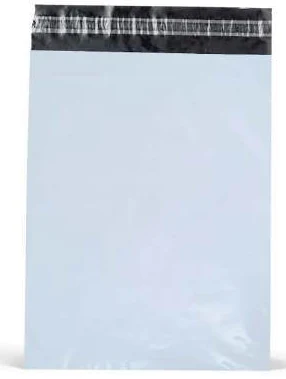
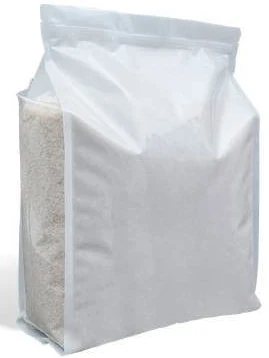
The catalogue includes courier bags and side-gusset pouches. These examples show different physical constructions; they are not interchangeable specifications. Courier mailers close with an adhesive flap. Size the usable cavity around the actual item or inner pack, keeping the flap allowance separate. An invoice or POD document pocket can be included in the enquiry; confirm its dimensions and location on the drawing.
| Format reference | Material or construction to clarify | Details to include in the brief |
|---|---|---|
| Courier bags | Flexible mailing-bag film with an adhesive flap; polymer type, opacity and thickness are project specifications. | Item or inner-carton dimensions; usable height excluding the flap. |
| Side-gusset pouches | Paper-look and opaque or foil-look laminates are illustrated; confirm the actual inner and outer layers for the contents. | Face width and side-gusset convention; filled height and headspace. |
Use the reference pictures to identify the base, side panels, window or opening that you mean. A picture cannot supply the missing dimensions or material layers. If a photograph shows a finish or closure you do not want, state that difference explicitly; otherwise a visual reference can introduce an unintended requirement.
Complete the record before requesting the next sample
- Attach the product brief separated from unconfirmed service assumptions. Identify the product or SKU and the date of the observation.
- Record the destination and shipment requirements. Keep confirmed information separate from proposed values and questions for the supplier.
- Add the actual fill weight or volume, the dimension convention, material proposal and intended closure. Include the number of designs and quantity per design when requesting a quotation.
- State which question the next drawing, sample or quotation must resolve. A change of size, closure or material should remain visible alongside the earlier reference.
This record makes the next conversation specific. It lets the design, purchasing and packing teams work from the same proposed item and shows which decision still needs evidence. Review the related product pages for format details, or prepare a custom packaging brief with the unresolved requirements.
Use current official import information
The importer and appointed specialists should verify the applicable requirements for the exact pouch construction and shipment. Sri Lanka Customs publishes the official importing starting point. No tariff rate, product classification or special treatment is assumed in this guide.
Send the supplier the application brief, quantity by design, trial requirements and full destination details. Ask for a written list of assumptions and open questions. An import sourcing decision is strongest when the technical approval, delivered quotation and importer responsibilities can each be reviewed independently.
Sources and scope.
These references support the technical discussion. Product photographs illustrate formats; the material, dimensions and suitability of the proposed pack are confirmed for each project.
- Varna flexible packaging Sri Lanka
Evidence of an established local packaging supplier and format competition; supplier statements are their own claims.
- Sri Lanka Export Development Board Varna profile
Public manufacturer profile; useful market context, not evidence of Navkar delivery economics.
- Sri Lanka Customs import information
Official starting point for the importer to verify current customs procedures; no tariff classification or rate is assumed.
Let’s discuss your product.
Share your contents, dimensions, filling method, quantity and delivery destination. We’ll work through the proposed packaging specification with you.
Create a packaging brief