A coffee valve and a zipper perform different jobs, so coffee valve pouch versus zipper pouch is often the wrong either-or question. A suitable valve addresses gas release in a defined pack system, while a zipper helps users reclose an opened pouch. A coffee project may require one, both or a different arrangement after the product and process have been reviewed.
Define the coffee and its production timeline
Record whether the product is roasted whole beans, ground roasted coffee, instant coffee or a blend. State the roast and packing sequence where relevant, the quantity per pack and the intended distribution and opening pattern. These details create the technical questions the package must answer.
Avoid selecting a valve because competing coffee brands display one. The roaster and packaging specialists need to assess gas behaviour, the proposed packing atmosphere and complete structure. A zipper cannot be assumed to perform a valve's function, and a valve does not give consumers a convenient opening automatically.
Keep the proposed shelf-life target separate from the evidence available. A desired duration is a design input for review, not a performance result. The final claim needs a product-specific evaluation under the intended process, storage and use conditions.
Understand the valve's proposed function
Wipf's current WICOVALVE documentation explains a manufacturer's one-way valve principle and application-dependent component choices. It is useful primary context for gas-release questions. Its warranties and product claims apply to its own specified components, not to every coffee pouch.
Request the valve reference, intended application, attachment method and complete-pack qualification requirements. The technical review should include how the component interfaces with the film and the proposed process. Do not copy a component's headline guarantee into a finished coffee shelf-life claim.
Navkar's confirmed catalogue does not establish valve-fitting capability. Ask explicitly whether a suitable valve system can be proposed and who would supply, fit and qualify it. Keep that response separate from the confirmed ability to manufacture other pouch formats.
Understand what a zipper contributes
A zipper creates a repeat-access feature. Its usefulness depends on opening width, grip, product access and whether the user can reclose it consistently after removing coffee. Ground particles and handling can affect the practical task, so observe the actual coffee form.
The zipper is also distinct from the pack's original final seal. Document the initial opening sequence and how the user recognises the correct access point. A convenient reclosure does not automatically reproduce the unopened package's protective conditions.
Compare the complete use system: where the pack is kept, how coffee is measured, how frequently it is opened and how much remains between uses. A household consuming a pack slowly creates a different secondary-use pattern from a busy café using it quickly.
Read opened-coffee research carefully
The 2022 study Effects of different coffee storage methods on coffee freshness after opening of packages compared four storage and reclosure approaches using roasted whole beans. It measured aroma-related freshness indices and package gases. The tested screw-cap system performed best within that experiment.
The study did not compare every zipper or valve on the market. Its particular coffee, package, sampling pattern and measurement method limit direct transfer. The practical lesson is to evaluate the period after opening separately, using a method relevant to the intended customer routine.
Make a requirement matrix
| Requirement | Evidence to request |
|---|---|
| Gas management before opening | Product and process brief, specialist review and candidate valve or alternative system |
| Protection of unopened coffee | Complete material, seals, atmosphere where relevant and product-specific storage evaluation |
| Initial access | Defined opening route and representative user observation |
| Repeated access | Closure usability and an opened-use study appropriate to the customer |
| Commercial production | Confirmed component supply, fitting responsibility, line route and accepted output |
Use the matrix to identify missing evidence rather than assigning a generic feature score. A pack with both a valve and zipper may still have an unsuitable structure or a poor filling interface. A simpler candidate may be acceptable for a different defined product and process.
Compare complete quotations
Ask for the pouch, printing, opening feature, zipper if included, valve if included, fitting operation, final closing and inspection scope. Record quantity by design and any minimum component purchase. Include the filling partner's requirements before treating the proposal as commercially complete.
Clarify development and repeat costs. A new component can require qualification work, drawings or a different conversion route. Show those costs separately from recurring component and filling expenses. Keep ownership and availability of the approved references visible in the repeat-order record.
If a specialist supplier handles the valve operation, include movement between sites, scheduling and release responsibilities. A price for an unfinished pouch is not comparable with a ready-to-fill, qualified complete system. Procurement should know exactly what arrives and what still needs to happen.

Use an illustrative feature-cost calculation
Suppose, purely as a method example, a nominated feature package adds ₹0.70 of component and fitting cost per accepted pouch, plus ₹9,000 of project qualification expense. For 30,000 accepted packs, the total addition is ₹21,000 + ₹9,000 = ₹30,000, or ₹1.00 per pack in that first batch.
These invented numbers are not valve prices, zipper prices or Navkar quotations. If qualification genuinely does not recur, the repeat increment could differ. If fitting creates extra rejects or the component changes filling output, add those effects using measured or quoted inputs.
The feature should be approved because it meets a defined technical or use requirement, not because a competitor has it. A necessary technical function and an optional presentation feature require different commercial justifications. Keep that distinction clear when presenting the purchasing recommendation.
Test use with representative coffee
Give intended users filled candidates with the actual opening and reclosure arrangement. Observe opening, measuring, pouring or scooping, closing and storage. Record errors before offering instructions so the team can see where the design is unclear.
Check the partly emptied pack as well as the full one. Its changing shape can affect grip, standing behaviour and access. Keep the coffee form and quantity consistent between candidates; comparing ground coffee in one pack with whole beans in another confounds the use result.
Ask the technical team to define any freshness assessment after repeated access. A consumer reporting that a zipper feels secure is a usability observation, not a measured oxygen barrier or a shelf-life conclusion. Keep those evidence types separate in the approval record.
Keep branding honest and useful
The front panel should communicate coffee type, roast or blend information approved by the brand, quantity and variant clearly. Do not use a visible valve as an unexplained quality badge. Explain the feature only when the statement accurately describes the qualified system.
Review artwork around the valve, zipper and seals with the converter. Features can interrupt graphics or occupy space needed for product information. Check the filled pack at shelf distance and as a small online thumbnail before approving multiple designs.
Prepare a component-responsibility record
Before ordering trials, list who selects the valve, who approves its application, who fits it, who fills the coffee and who releases the completed pack. Record the exact references and the evidence each party supplies. This avoids a gap where every participant assumes another has qualified the interface.
Ask how a component substitution will be handled. An alternative valve or zipper can fit a similar space while changing the system that was evaluated. Preserve the approved reference and route changes through the responsible technical owners before repeating a commercial order.
Keep the coffee timeline in that record. Roast, resting, packing and dispatch are part of the application context; a proposal evaluated under one sequence should not silently be transferred to another. The roaster and packaging specialists should decide which changes need renewed evidence.
For procurement, this record is as useful as the unit price. It shows whether the proposed supply route is complete and reproducible, which costs remain provisional and which capability has actually been confirmed. It also prevents a generic coffee-pouch image from being mistaken for an approved technical offer.
Coffee valve and zipper: a practical specification example
A format comparison is useful when it answers the actual buying question. Define the customer action and the filled product before deciding that one appearance is better. A valve, window, zipper or matte surface changes a different part of the specification. Some features can coexist, so compare their purposes and constraints rather than forcing every decision into an either-or choice.
For this decision, start with the degassing need and repeated-use requirement. The useful output is a feature plan that treats valve and zipper as separate functions. Put that output beside the relevant quotation, drawing or sample rather than leaving it in a separate email. This is an illustrative decision exercise, not a report of a completed customer trial.
Product references to make the discussion concrete
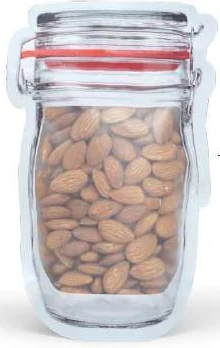
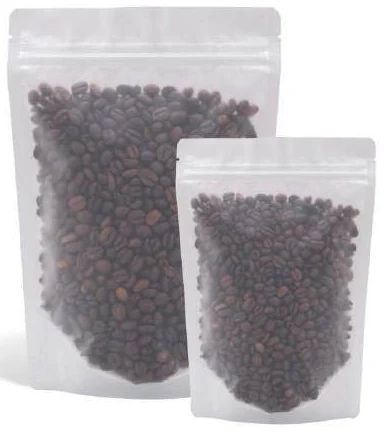
The catalogue includes coffee pouches with valve and jar-shaped zipper pouches. These examples show different physical constructions; they are not interchangeable specifications. A degassing valve and a reclosable zipper serve different purposes. Choose the pouch geometry first, then specify the valve position, zipper and final top seal as separate features. Stand-up, side-gusset and flat-bottom examples help compare panel area and shelf footprint.
| Format reference | Material or construction to clarify | Details to include in the brief |
|---|---|---|
| Coffee pouches with valve | Paper-look or opaque flexible laminate with an optional degassing valve; the complete barrier structure is specified for the coffee and storage brief. | Coffee form and intended fill; packing interval after roasting. |
| Jar-shaped zipper pouches | Clear or frosted flexible pouch construction with a zipper; the jar shape is a profile, not a rigid container. | Usable cavity and narrowest opening; die-cut outline and corner radii. |
Use the reference pictures to identify the base, side panels, window or opening that you mean. A picture cannot supply the missing dimensions or material layers. If a photograph shows a finish or closure you do not want, state that difference explicitly; otherwise a visual reference can introduce an unintended requirement.
Complete the record before requesting the next sample
- Attach a feature plan that treats valve and zipper as separate functions. Identify the product or SKU and the date of the observation.
- Record the degassing need and repeated-use requirement. Keep confirmed information separate from proposed values and questions for the supplier.
- Add the actual fill weight or volume, the dimension convention, material proposal and intended closure. Include the number of designs and quantity per design when requesting a quotation.
- State which question the next drawing, sample or quotation must resolve. A change of size, closure or material should remain visible alongside the earlier reference.
This record makes the next conversation specific. It lets the design, purchasing and packing teams work from the same proposed item and shows which decision still needs evidence. Review the related product pages for format details, or prepare a custom packaging brief with the unresolved requirements.
Make the complete system decision
Ask the roaster and packaging specialists to specify the gas-management requirement, then assess the user's reclosure need separately. Compare the complete cost and evidence for the resulting candidate systems. Neither a valve nor a zipper alone establishes longer freshness or increased sales.
Send Navkar Poly Print the coffee form, production timeline, quantity, intended use and technical requirements. Ask for confirmed capability, component responsibilities and the evidence needed before quotation approval. Procurement and B2B heads should see the unresolved questions as clearly as the proposed features.
Sources and scope.
These references support the technical discussion. Product photographs illustrate formats; the material, dimensions and suitability of the proposed pack are confirmed for each project.
- Wipf's current WICOVALVE documentation
Primary supplier or technical reference for the linked format or component question; no Navkar capability, test outcome or shelf-life claim is transferred.
- Effects of different coffee storage methods on coffee freshness after opening of packages
Evaluate secondary use separately. Specific coffee and systems; no universal valve-versus-zipper conclusion.
Let’s discuss your product.
Share your contents, dimensions, filling method, quantity and delivery destination. We’ll work through the proposed packaging specification with you.
Create a packaging brief