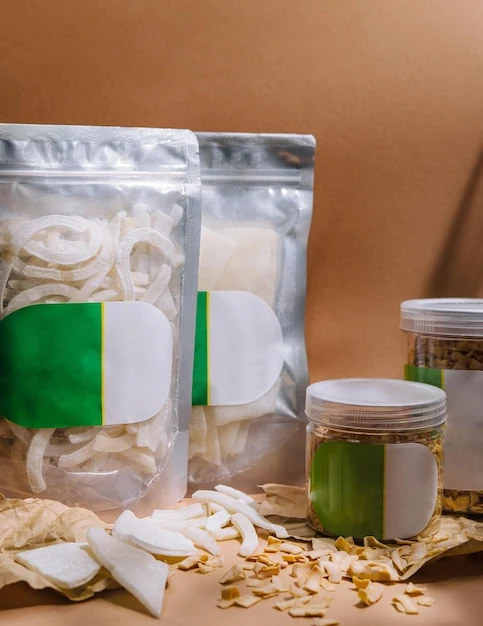
Flexible packaging supplier onboarding for an MNC should connect the legal and commercial supplier record to the exact manufacturing and application requirements. Registration is one workstream; approval of a particular reel, pouch, artwork and filling route is another. Build the onboarding file so that each decision has an owner and a clear scope.
Map the decisions before requesting documents
Identify procurement, quality, packaging development, artwork, plant operations and the relevant commercial or responsible-sourcing owners. Ask which decisions each team must make. This avoids requesting a large document folder without explaining how its contents will be assessed.
Create a decision register with the requirement, evidence requested, reviewer, status and final approval reference. Record the actual contracting company and manufacturing site. Where partners perform a relevant operation, ask the supplier to identify the route and how responsibility is controlled.
Keep registration separate from the pack approval
Corporate registration may establish a vendor record or commercial relationship. It should not silently approve every material construction, closure or filling application that appears in a supplier catalogue. Match the proposed pack to an identified specification and the intended operating conditions.
Buyer programmes differ. Unilever's supplier qualification information is a public example of a company-specific process. Obtain the actual customer's requirements directly rather than treating another buyer's programme as a universal manufacturing approval.

Build a staged onboarding file
| Workstream | Evidence or record | Decision to keep visible |
|---|---|---|
| Supplier identity | Contracting entity, plant and relevant contacts | Which organisation and site are being assessed |
| Commercial setup | Agreed purchasing and invoicing information | Whether commercial transactions can proceed |
| Technical application | Controlled pack specification and supporting evidence | Which application is technically accepted |
| Sample and pilot | Identified submission, observations and acceptance | What the trial demonstrated and its limits |
| Ongoing supply | Change, traceability and complaint arrangements | How approved supply will be maintained |
Do not use one final tick box to hide different statuses. A business may have a complete commercial record while its first pack trial is still open. Make that distinction available to whoever raises or approves the production order.
An illustrative onboarding gate
Suppose a purchasing team has completed the supplier's commercial setup and wants to order printed film for two plants. The packaging team has reviewed the proposed structure, but only one plant has confirmed the required reel orientation. The onboarding record should show the commercial status as complete and the second plant's technical acceptance as unresolved.
The buyer can then obtain the missing line confirmation without suggesting that the supplier failed every part of onboarding. Equally, the completed commercial record cannot be used to bypass that outstanding application decision. This is an illustrative workflow, not a report about a particular MNC or an existing Navkar approval.
Turn onboarding into a decision map
Start with the proposed supplier relationship and the first actual supply requirement. List the records needed for identity, commercial transactions, responsible sourcing where applicable and technical application. Assign the decision owner before requesting evidence. A document request becomes more useful when the supplier can see the question it answers and the buyer knows who can interpret the response.
Separate administrative completion from authority to order a specific pack. A vendor code may enable transactions while an application remains under review. Record both states explicitly. Procurement and direct B2B heads can review the business recommendation and open conditions, but intended departmental review is not completed technical approval. The file should show actual decisions and authority, with no invented reviewer biography or credential.
Verify the organisation behind the proposal
Record contracting entity, relevant manufacturing site, dispatch point and contacts. Ask the supplier to explain the work it offers and the roles of any other relevant parties. Do not infer site capability from a sales address or a general catalogue. Keep claims and evidence distinct. A supplier can answer a commercial enquiry while further information is needed to assess the specific production and application scope.
For certificates and declarations, verify holder, issuer, site, scope and dates through the relevant process. For technical reports, check the tested object and conditions separately. A genuine certificate does not automatically apply to every pouch or prove a product-pack combination suitable. Record what each document closes in the decision register and what further evidence the competent owner requires.
Connect the first item to the plant scope
Give the packaging item a controlled reference and link drawing, construction, components, artwork and intended use. Identify each plant and line requiring acceptance. Shared artwork can remain in a common record while local interfaces use controlled annexes. The onboarding file should make those relationships visible so a commercial programme does not quietly become technical permission for every operation.
In the illustrative two-plant film project, the first plant has confirmed its reel orientation while the second has not. Keep that difference in the release summary. If the business considers an order for the accepted scope, obtain the actual authorised decision and supplier response. Do not describe the entire two-plant programme as approved or failed based on one outstanding local question.
Define evidence stages and handovers
Identify the next required sample, report or trial decision and its owner. Record the submission's identity and differences from the intended commercial pack. Ask reviewers to state acceptance by requirement. A sample may support appearance while leaving construction or application questions unresolved. The onboarding register should connect those results to the relevant item and plant rather than contain a general samples complete tick.
Give the receiving or review contact the references needed before material arrives. Keep receipt acknowledgement separate from technical acceptance. If a sample is forwarded, preserve its custody record. The detailed kit dispatch and pilot plans handle their own tasks; the onboarding summary should link them and show their current decision states without reproducing their full procedures.
Make open actions answerable
Use a register with requirement, missing input, provider, decision owner, current state and closure reference. Avoid entries such as quality pending without the actual question. An action may require the supplier to supply information, the plant to confirm a requirement or a buyer owner to interpret evidence. Record the difference so follow-up reaches the person able to resolve it.
If the supplier changes the proposal, identify which actions and accepted decisions are affected. Preserve the earlier candidate and evidence as history. Do not make new documents appear to complete a review of another construction. A controlled update can allow relevant work to be reused while directing attention to the changed requirement and the reason another decision is needed.
Issue a scoped onboarding conclusion
State entity, relevant site, accepted commercial relationship, packaging items, plants and conditions. Name the authorised next step and outstanding prerequisites. A concise summary should let another buyer determine whether it may request a sample, place a defined development order or release accepted production scope. Avoid a universal approved supplier label that hides these boundaries.
Link ongoing changes, traceability, complaints and performance review through their own accepted procedures. The onboarding conclusion should identify those arrangements, not promise that they have been tested or certified when they have only been documented. At a later requirement change, compare the new scope with the existing boundary and reopen affected decisions. The useful result is an evidence-based entry into a defined supply relationship that the business can maintain and review.
Set ownership for missing and changing evidence
For every open item, record what is missing, who must provide it and who decides whether it is acceptable. A company certificate, test report and product trial answer different questions. Review their actual entity, site, material, conditions and validity instead of accepting a logo or document title alone.
Plan how later changes are notified. An artwork revision, alternative structure, different production route or new filling location may affect the technical record even when the supplier's legal identity remains the same. Define who reviews the affected pack records before the next order is treated as a routine repeat.
Supplier onboarding: a practical specification example
A procurement team is moving from a trial order to a repeat programme. Give the packaging a stable item identity that links drawing, material, artwork, closure and quantity unit. Keep plant-specific handling or delivery needs beside that shared item definition. The same product name can otherwise conceal different dimensions or artwork revisions when several people place orders.
For this decision, start with the packaging item and responsible reviewers. The useful output is the required technical and commercial records for that item. Put that output beside the relevant quotation, drawing or sample rather than leaving it in a separate email. This is an illustrative decision exercise, not a report of a completed customer trial.
Product references to make the discussion concrete
The catalogue includes flat-bottom pouches and courier bags. These examples show different physical constructions; they are not interchangeable specifications. A box-style base gives the filled pack a distinct footprint, with separate front, back and side panels. Compare a plain top opening with a regular zipper, and use filled samples to decide the shelf depth and panel proportions.
| Format reference | Material or construction to clarify | Details to include in the brief |
|---|---|---|
| Flat-bottom pouches | Flexible laminate with paper-look or opaque outer options; the appearance alone does not identify the full layer structure. | Base width and full opened depth; net fill and product bulk. |
| Courier bags | Flexible mailing-bag film with an adhesive flap; polymer type, opacity and thickness are project specifications. | Item or inner-carton dimensions; usable height excluding the flap. |
Use the reference pictures to identify the base, side panels, window or opening that you mean. A picture cannot supply the missing dimensions or material layers. If a photograph shows a finish or closure you do not want, state that difference explicitly; otherwise a visual reference can introduce an unintended requirement.
Complete the record before requesting the next sample
- Attach the required technical and commercial records for that item. Identify the product or SKU and the date of the observation.
- Record the packaging item and responsible reviewers. Keep confirmed information separate from proposed values and questions for the supplier.
- Add the actual fill weight or volume, the dimension convention, material proposal and intended closure. Include the number of designs and quantity per design when requesting a quotation.
- State which question the next drawing, sample or quotation must resolve. A change of size, closure or material should remain visible alongside the earlier reference.
This record makes the next conversation specific. It lets the design, purchasing and packing teams work from the same proposed item and shows which decision still needs evidence. Review the related product pages for format details, or prepare a custom packaging brief with the unresolved requirements.

Finish with a usable release record
The final onboarding summary should identify the approved scope, pack and plant references, commercial conditions and any unresolved exclusions. Keep the supporting evidence retrievable. A buyer taking over the account should be able to determine what can be ordered without recreating the whole discussion.
The Nestle supplier information page provides another example of enterprise supplier administration. Use the relevant customer's own instructions and technical requirements for the actual project. For an initial supplier discussion, send the application, plant scope, specification status, estimated quantity by design and document requirements, then ask the team to record both the accepted scope and the remaining decisions.
Sources and scope.
These references support the technical discussion. Product photographs illustrate formats; the material, dimensions and suitability of the proposed pack are confirmed for each project.
- Unilever supplier qualification
Example of a buyer-specific supplier registration and due-diligence programme; not a universal approval or Navkar endorsement.
- Nestle supplier information
Example of an enterprise supplier portal and responsible sourcing requirements; not Navkar approval.
Let’s discuss your product.
Share your contents, dimensions, filling method, quantity and delivery destination. We’ll work through the proposed packaging specification with you.
Create a packaging brief